
Business
Global energy crisis worsens as US–Iran conflict threatens strait of Hormuz shipping

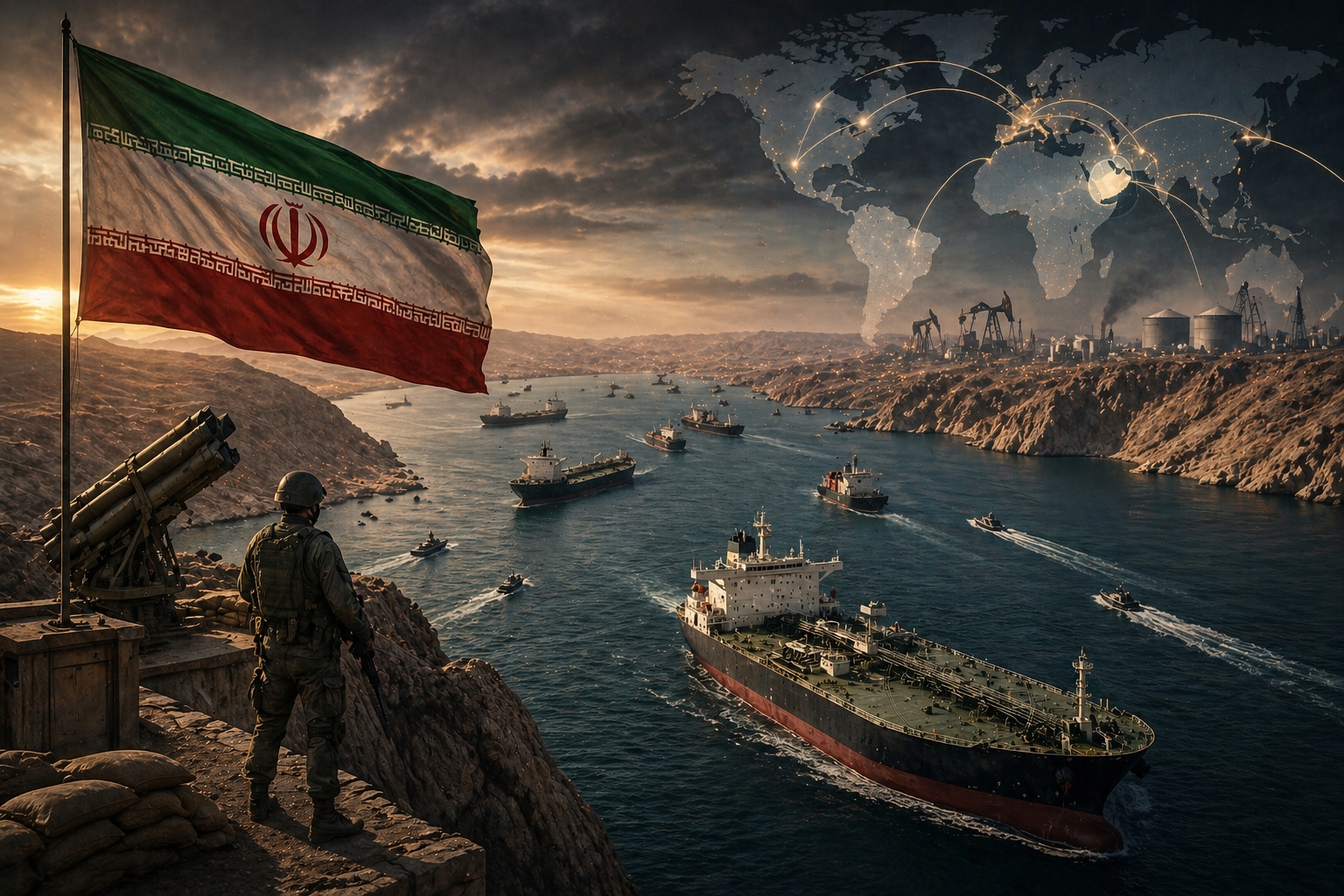
Fresh concerns have arisen regarding the escalating conflict between the United States and Iran over global energy security as tensions continue to threaten commercial shipping through the Strait of Hormuz, one of the world’s most critical maritime gateways.
The Strait of Hormuz, a slim waterway measuring 21 miles in width, links the Persian Gulf to the Gulf of Oman and is recognized as the most crucial energy corridor globally. Daily, approximately 14 million to 20 million barrels of crude oil and liquefied natural gas (LNG)—accounting for around 20% of worldwide petroleum usage—transit through this strait, rendering it essential for global energy stability and international supply chains.
The strategic and economic significance of this region goes well beyond oil. Approximately 30% of the global seaborne urea exports, which are essential for agricultural fertilizers, pass through the Strait of Hormuz. Consequently, any disruption poses a threat not only to global energy supplies but also to agricultural production, food security, and the affordability of fertilizers.
READ ALSO; US-Iran conflict pushes Nigerian crude past $93 per barrel
This strait serves major energy-consuming areas, such as North America, Europe, China, Japan, India, and South Korea, making it one of the most heavily trafficked shipping routes worldwide. Countries like Saudi Arabia, Iraq, the United Arab Emirates, Kuwait, Qatar, and Iran depend significantly on this passage for the export of crude oil and natural gas.
Since hostilities intensified, global financial markets have reacted swiftly. Brent crude oil has experienced significant price volatility, with prices rising by more than 10–20% during periods of heightened military tension. Energy economists estimate that a prolonged closure of the Strait of Hormuz could push crude oil prices to between $120 and $150 per barrel, while an extended disruption could see prices exceed $200 per barrel, levels not seen in decades.
The impact has also spread across global shipping. Marine insurance premiums for oil tankers operating in the Gulf have reportedly increased by more than 50% to 100% in some instances, while freight charges for crude oil shipments have climbed sharply due to increased security risks. Shipping companies have been forced to divert vessels around the Cape of Good Hope, adding 10 to 15 days to some voyages and significantly increasing fuel consumption and operational costs.
Global stock markets have also come under pressure. Investors have shifted billions of dollars into traditional safe-haven assets such as gold, the US dollar and government bonds. Gold prices have climbed toward record highs as geopolitical uncertainty fuels demand for safer investments.
READ ALSO; Gulf tensions soar as Trump declares US-Iran ceasefire dead(Video)
The economic consequences extend well beyond energy markets. Higher crude oil prices increase production costs across virtually every sector of the global economy, from manufacturing and aviation to agriculture and logistics. The World Bank estimates that every sustained $10 increase in crude oil prices can shave approximately 0.1–0.3 percentage points off global economic growth while adding upward pressure to inflation.
Developing economies remain particularly vulnerable. Oil-importing countries across Africa, South Asia and Latin America face rising fuel import bills, weakening exchange rates and increased pressure on government budgets. Nations that subsidize fuel may be forced to increase public spending, while others could pass higher fuel costs directly to consumers, worsening inflation and reducing household purchasing power.
Food prices are also expected to rise. Higher fuel costs increase transportation expenses, while disruptions in fertilizer exports from the Gulf could reduce global crop yields and increase the prices of staples such as wheat, maize, rice and vegetables. Agricultural economists warn that fertilizer shortages could significantly affect food production during upcoming planting seasons.
The aviation industry is already experiencing increased operational costs due to higher jet fuel prices. Airlines may be compelled to raise ticket prices or reduce flight frequencies, while global shipping firms continue to review routes through the Gulf amid mounting security concerns.
Financial analysts project that a sustained disruption in the Strait of Hormuz could eliminate 15 to 20 million barrels of oil daily from global markets. This supply shock would constitute one of the most significant disruptions in contemporary energy history, potentially exceeding the crises experienced during the Gulf Wars and the 1973 oil embargo.
The International Monetary Fund (IMF) indicates that ongoing geopolitical instability, coupled with high energy prices, may hinder global GDP growth, heighten inflation, diminish consumer confidence, and increase the risk of recession in various advanced and emerging economies.
Governments are closely monitoring the situation while expediting efforts to diversify energy sources, bolster strategic petroleum reserves, and enhance investments in renewable energy.
Concurrently, international diplomatic initiatives are intensifying to avert further escalation, as economists caution that a prolonged disruption in the Strait of Hormuz could instigate one of the most severe global energy and economic crises in recent memory.


-

 Business5 days ago
Abuja gears up for Jetour T2’s rugged-luxury experience
-
 Business7 days ago
Nigeria Business Outlook: Dangote IPO, markets, inflation and naira in focus this week
-

 Business6 days ago
Dangote IPO rush crashes Bamboo login as investors flood platform
-

 News4 days ago
UK, Canada pledge closer cooperation on trade, defence and AI
-

 Business5 days ago
Dangote: Petrol price gap fuels smuggling as Nigeria faces fresh pump price surge
-

 Business5 days ago
Tinubu’s economic reforms face public confidence test as cost-of-living crisis persists
-

 Latest1 week ago
Hamzat meets Pastor Chris Oyakhilome, hails Christ Embassy’s community impact
-
 Business6 days ago
August inflation faces upward pressure despite disinflation trend – Analysts