
Business
NMDPRA moves against petrol price gouging as pump prices rise to N1,450

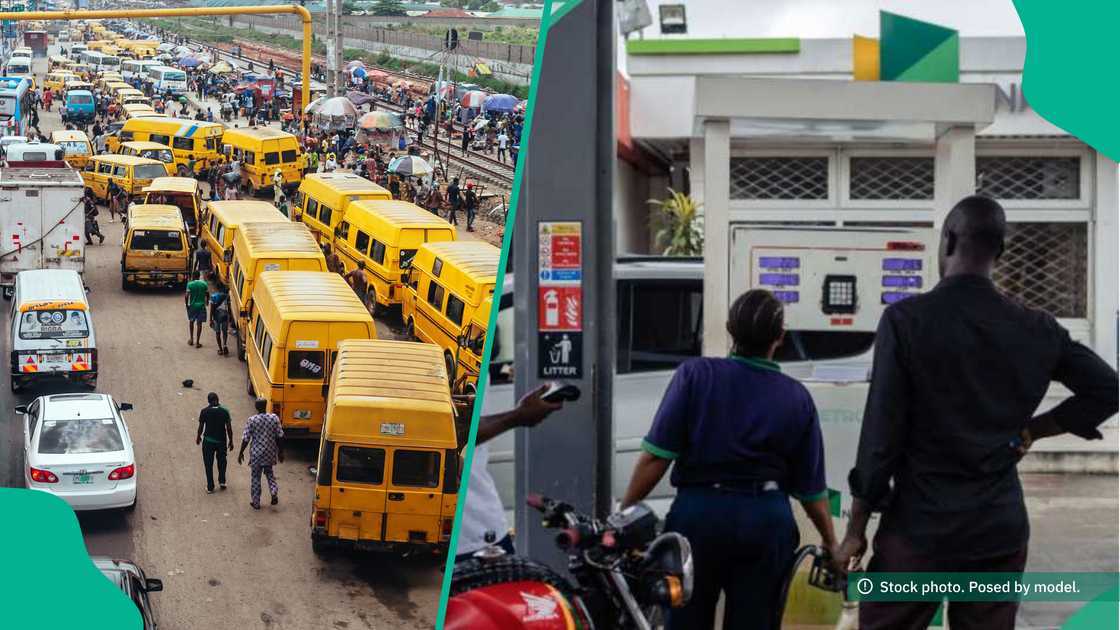
The Nigerian Midstream and Downstream Petroleum Regulatory Authority (NMDPRA) has said it does not have the statutory power to fix petrol pump prices, but has vowed to intensify monitoring of filling stations and crack down on price-gouging and other exploitative practices amid fresh increases in Premium Motor Spirit (PMS) prices.
The regulator made the clarification in a statement issued on Saturday, September 19, as petrol prices climbed to between N1,400 and N1,450 per litre in parts of the country.
The NMDPRA said the Petroleum Industry Act (PIA) 2021 provides for unrestricted market-based pricing of petroleum products. Under Section 205(1), wholesale and retail prices are determined by market forces, meaning the Authority does not set pump prices or issue administrative pricing templates.
It added that Sections 205(2) to (4) allow government intervention only under exceptional circumstances involving a formally established market failure, which the Authority said has not been declared.
However, deregulation does not give petroleum marketers unrestricted freedom to engage in anti-competitive conduct.
The NMDPRA said Section 216 of the PIA empowers it to address practices including price-fixing and abuse of market dominance. It said it would therefore strengthen surveillance to ensure that market-driven pricing does not become a cover for exploitation.
The regulator said it is working with the Federal Competition and Consumer Protection Commission (FCCPC) to monitor the downstream market for alleged price-gouging, collusion, under-dispensing and compromised product quality.
It is also collaborating with the Nigeria Customs Service and other security agencies to intensify surveillance along border corridors and tackle the smuggling and illegal diversion of petroleum products.
The Authority said dedicated channels are also being made available for consumers and industry stakeholders to report irregular pricing and other practices considered exploitative.
READ ALSO; Dangote: Petrol price gap fuels smuggling as Nigeria faces fresh pump price surge
The NMDPRA’s position comes against the backdrop of sharp increases in petrol prices across major cities. Recent checks showed prices in Lagos generally ranging between N1,400 and N1,430 per litre, while some outlets in Abuja were selling at as much as N1,450 per litre.
The latest increases followed an upward adjustment in Dangote Petroleum Refinery’s petrol gantry price from N1,265 to N1,350 per litre on September 12. The refinery’s latest adjustment was its fourth reported increase in 22 days.
The domestic price increases have coincided with a surge in international crude oil prices, with Brent crude moving above $100 per barrel amid continuing uncertainty surrounding the Middle East and the Strait of Hormuz.
Higher crude prices can increase the cost of crude feedstock, refined products, freight and other components of the petroleum supply chain, creating pressure on domestic fuel prices.
Analysts say the impact is particularly significant in Nigeria’s deregulated downstream market because changes in international crude prices and supply-chain costs can be transmitted more directly to consumers.
At the same time, analysts have stressed that global market pressures do not automatically justify every increase at the pump, making the NMDPRA’s proposed monitoring of margins, dispensing practices and anti-competitive conduct important to consumers.
The latest petrol increase has also renewed concerns about transportation costs and the wider impact on household and business expenses.
Higher petrol prices increase operating costs for commercial transport operators and businesses that depend on petrol-powered vehicles and generators, potentially feeding into the prices of food, logistics and other essential goods.
The Nigeria Labour Congress (NLC) has called for measures to cushion workers from the impact of higher transportation costs, while political and civil-society voices have also urged the Federal Government to explore ways of reducing the burden on households.
For the NMDPRA, however, the immediate regulatory challenge is to enforce the rules of the deregulated market without reverting to administrative pump-price fixing.
The Authority’s latest position therefore draws a distinction between market-driven pricing, which it says is mandated by the PIA, and market abuse, which it says remains subject to regulatory intervention.


-
 Latest6 days ago
Israel marks 3 years since October 7 Hamas attack amid Gaza strikes, election debate
-
 Energy6 days ago
Fuel Battle: Dangote, marketers and government clash over petrol imports
-
 Energy7 days ago
Petrol, diesel prices rise 86% in 2026 as costs hit fresh highs
-
 Energy1 week ago
Has Iran lost control of the Strait of Hormuz? Oil flows rebound as war disruptions persist
-

 Football7 days ago
Nigeria’s World Cup exit under spotlight as FIFA’s DR Congo files emerge
-
 Latest6 days ago
US Court set to rule on release of FBI, DEA records on Tinubu
-
 Business6 days ago
Nigerian investors at a crossroads as fixed-income yields slide
-

 Business1 week ago
LoveWorld Trade and Investment Forum to Convene Business Leaders in Accra