
News
Edo Finances: Inside Governor Okpebholo’s Debt Reduction, Infrastructure Push

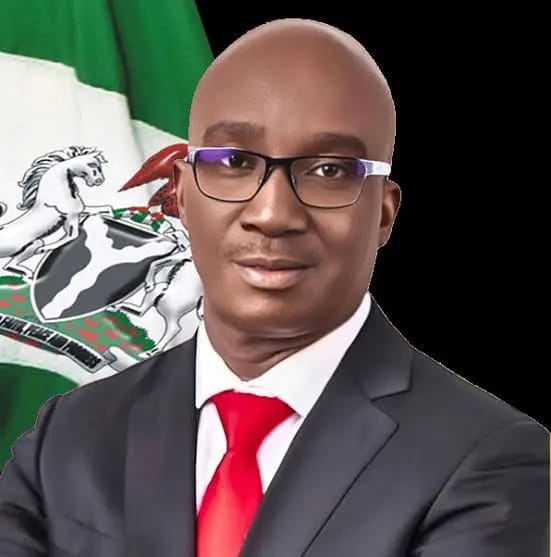
By Kingsley Chukwuka
Political criticism often relies on weaponizing complex economic metrics to overshadow genuine development, attempting to paint the Edo State Government as recklessly accumulating debt through sensationalized figures.
However, a close examination of official data from the Edo State Ministry of Finance reveals a reality defined by fiscal discipline, deliberate debt reduction, and an unyielding commitment to physical transformation under the leadership of Governor Monday Okpebholo.
Rather than piling up fresh obligations, the administration has overseen a consistent drop in structured domestic loans, bonds, and formal borrowings.
Structured debt fell sharply from approximately ₦36.03 billion in the final quarter of 2024 to about ₦22.60 billion by the first quarter of 2026. This marks a 37 percent reduction in inherited structured obligations, proving that the government is actively clearing long-standing liabilities instead of creating new ones, despite partisan claims to the contrary.
READ ALSO: Okpebholo swears In 18 Edo Council Chairmen, tasks them on development, accountability
This fiscal responsibility extends directly to human obligations as well. Pension and gratuity arrears, which stood at roughly ₦57.14 billion at the end of 2024, were successfully reduced to ₦48.42 billion by early 2026.
Behind these statistical gains are senior citizens finally receiving the entitlements they waited years to access, reflecting a government deeply committed to restoring the dignity of its retirees.
Any recent increases in financial obligations stem primarily from contractor liabilities, which are a natural byproduct of the massive infrastructure movement sweeping across the state.
Governor Okpebholo’s heavy investments in extensive road networks, modern flyovers, and vital public infrastructure inherently generate certified financial commitments. Lumping every obligation together to fabricate a narrative of reckless spending ignores the profound difference between borrowing for wasteful consumption and incurring liabilities tied directly to public assets that will drive economic growth for decades.
Ultimately, structured loans are shrinking, pension backlogs are clearing, and new commitments are directly funding visible public works. While accountability remains essential, constructive governance demands telling the whole truth.
With tangible results visible across the state, Edo State is being built through relentless leadership that speaks far louder than partisan arithmetic.


-

 Sports1 day ago
Senegal opens Dakar 2026 Youth Olympic Games, Africa’s first Olympic event
-
 Latest4 days ago
Tinubu endorses Nigeria’s participation in 2026 World Travel Market London
-

 Latest1 week ago
Pastor Chris to lead special family prayers as Healing Streams grand finale holds today
-

 News6 days ago
Rugby: Borthwick Faces Key Selection Questions as World Cup Looms
-

 Crime6 days ago
Passengers feared abducted on Kebbi-Abuja journey as viral video shows armed men threatening captives (VIDEO)
-
 Featured1 week ago
Kaduna APC rally sparks row over turnout, alleged rented crowd and AI disinformation
-
 Featured3 days ago
How court ruling reshapes APC’s Imo West Senatorial contest
-
 Football3 days ago
U-17 Women’s World Cup: Flamingos Beat Mexico to Reach Quarter-Finals