
Trending Stories
Gaise Baba challenges Headies over limited recognition of gospel music


Nigerian Afrogospel artiste Gaise Baba has called for a rethink of how gospel music is classified and recognised at mainstream music award ceremonies, arguing that faith-based songs should compete alongside other genres when their musical style fits those categories.
Gaise Baba made the comments in July 2026 during an interview with TheCable Lifestyle, where he argued that gospel should be viewed primarily as a message rather than a standalone musical genre.
According to the artiste, restricting gospel songs to inspirational or faith-based categories can limit their recognition, particularly when the songs are produced in genres such as Afrobeats, rap or other contemporary styles.
“Gospel is not a genre, it’s a message,” Gaise Baba said, arguing that a gospel song performed as rap, for example, should be eligible to compete against other rap songs based on its artistic characteristics.
His comments come as the 2026 Headies nominations highlight both the growing presence of gospel music and the debate over how it should be categorised.
Several gospel and inspirational artistes were nominated in the Best Inspirational Single category at the 2026 Headies.
The nominees include Gaise Baba and Lawrence Oyor for No Turning Back 2, Sunmisola Agbebi featuring Yinka Okeleye for Amioluwa, Lawrence Oyor’s Favour, Sinach’s Idinma (You Are Good), EmmaOMG’s Korin Iyin (I Will Praise You) and Mercy Chinwo’s We Move.
However, the major categories remain dominated by artistes generally associated with Afrobeats, pop, R&B and other mainstream genres.
For example, nominees for Best Male Artiste include Adekunle Gold, Asake, Fola, Mavo, Rema, Wizkid and Burna Boy, while the Best Female Artiste category features Ayra Starr, Qing Madi, Sewa, Tems, Teni and Tiwa Savage.
Gaise Baba’s argument is that the religious content of a song should not automatically determine the category in which it competes.
The debate comes after Gaise Baba and Lawrence Oyor’s No Turning Back II demonstrated the potential of gospel music to compete strongly in the mainstream Nigerian music market.
The song previously achieved a major milestone by reaching No. 4 on the TurnTable Top 100, becoming the highest-charting gospel song in the chart’s history at the time.
The collaboration has also received substantial recognition within the gospel music industry. At the 2026 Nigeria International Gospel Music Awards, No Turning Back II won Song of the Year, Best Collaboration and Afro-Gospel Song of the Year.
The Headies has also included gospel performers in its existing award structure.
At the 17th Headies, the Best Inspirational Single category featured gospel artistes including Mercy Chinwo, Dunsin Oyekan, Limoblaze and Gaise Baba. Mercy Chinwo eventually won the award for You Do This One.
The current debate, therefore, is less about whether gospel music receives recognition at the awards and more about whether gospel artistes should be eligible for mainstream categories based on the musical characteristics and performance of their work.
Gaise Baba’s position reflects a broader discussion within Nigeria’s music industry over genre classification and whether existing award structures adequately reflect the changing sound of contemporary African music.
As gospel artistes increasingly incorporate Afrobeats, hip-hop, R&B and other sounds into their productions, the question of where such music belongs—and which awards it should be eligible for—is likely to remain part of the industry’s evolving conversation.


-

 Business1 week ago
Dangote Refinery IPO: Can small investors really make money from the shares?
-

 Business4 days ago
CBN reduces MPR by 350bps to 23% in major monetary policy shift
-

 Business6 days ago
Jetour takes T1 adventure SUV experience to Abuja, targets growing Nigerian market
-

 Football6 days ago
Nigeria vs Colombia: Falconets battle for U-20 World Cup semi-final ticket
-

 Football3 days ago
Saka: England still carry World Cup scar
-
 Football1 week ago
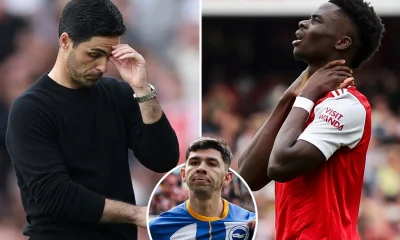
Breaking:Brighton shocks Arsenal 3-0 as Gunners’ perfect start comes crashing down
-

 Comments and Issues5 days ago
Sometimes, goodwill finds us through the people we love
-

 Business6 days ago
NMDPRA moves against petrol price gouging as pump prices rise to N1,450