
Latest
NNPCL, CBN, NDDC face Senate deadline after snubbing audit hearing

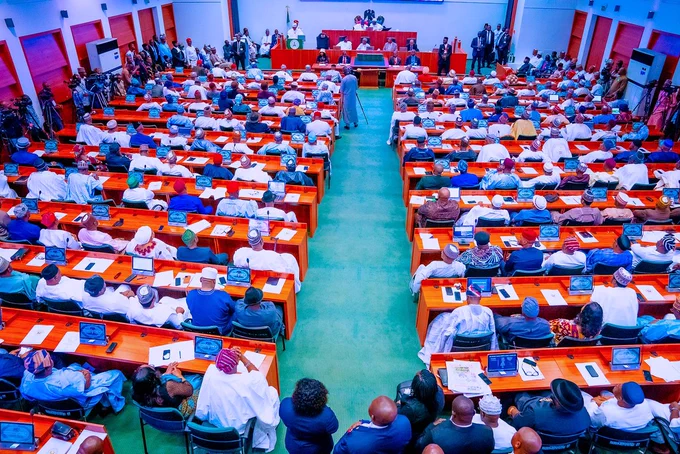
Fresh questions are emerging over transparency and accountability in Nigeria’s public institutions after several of the country’s most strategic government agencies failed to honour invitations from the Senate Committee on Public Accounts, prompting lawmakers to issue a final 72-hour ultimatum and threaten sanctions.
The agencies, including the Nigerian National Petroleum Company Limited (NNPCL), the Central Bank of Nigeria (CBN), the Niger Delta Development Commission (NDDC) and the Nigerian Upstream Petroleum Regulatory Commission (NUPRC), were expected to appear before the committee to respond to unresolved audit queries contained in reports of the Office of the Auditor-General for the Federation.
However, when the committee convened on Monday, none of the invited institutions appeared, and no formal explanations were provided for their absence, a development lawmakers described as a direct affront to the constitutional oversight powers of the National Assembly.
Oversight Under Strain
The incident has reignited concerns over the effectiveness of legislative oversight in Nigeria, particularly in holding public institutions accountable for billions of naira in public expenditure flagged by auditors over the years.
Chairman of the Senate Committee on Public Accounts, Senator Ibrahim Dankwambo, said the committee had invited the agencies to accelerate the resolution of long-standing audit issues and reduce the backlog of unresolved financial queries.
“We wanted to reduce the volume of work to enhance our oversight. The letters and invitations were issued, but our guests have not arrived,” Dankwambo lamented.
READ ALSO; Senate backs Fasina despite controversy, rekindling accountability debate
His remarks point to a recurring challenge facing parliamentary committees—securing the cooperation of powerful public institutions responsible for managing some of Nigeria’s largest financial resources.
Agencies at the Centre of National Finances
The agencies summoned by the committee occupy strategic positions in Nigeria’s economy.
NNPCL oversees the nation’s oil and gas assets and remains one of the country’s largest revenue-generating entities.
The CBN manages monetary policy and financial stability, while the NDDC is responsible for billions of naira in intervention projects across the oil-producing Niger Delta.
The NUPRC regulates Nigeria’s upstream petroleum sector and supervises activities involving oil exploration and production.
Their failure to honour legislative invitations has raised questions among governance experts about institutional accountability and compliance with constitutional oversight mechanisms.
Lawmakers Demand Consequences
Members of the committee expressed frustration over what they described as a growing culture of non-compliance by government agencies.
Senator Babangida Hussaini warned that repeated disregard for Senate invitations undermines the authority of the legislature and weakens public accountability.
“The committee has powers, and it is most disrespectful to the National Assembly for any agency to fail to appear to respond to audit queries. The Senate is being taken for granted, and that must stop forthwith,” he said.
Senator Patrick Ndubueze adopted an even tougher stance, urging the committee to invoke sanctions against the defaulting agencies.
“The proper consequences should be laid down and carried out. They don’t deserve a second chance. If they can’t attend to this important arm of government after invitations were sent and no explanations were given, they don’t deserve another chance,” he argued.
Why Audit Queries Matter
Audit queries issued by the Auditor-General are intended to identify irregularities in the management of public funds, procurement processes, project implementation and compliance with financial regulations.
While an audit query does not automatically establish wrongdoing, it requires affected institutions to provide documentary evidence and explanations to account for transactions questioned by auditors.
Failure to resolve such queries often delays parliamentary approval of audit reports and can leave concerns over public expenditure unanswered for years.
Nigeria has consistently faced criticism from anti-corruption advocates over the slow resolution of audit findings, with many reports remaining outstanding despite repeated recommendations.
Final Deadline
Following deliberations, the committee resolved to give the affected agencies one final opportunity to appear before lawmakers.
The Senate directed the agencies to appear within 72 hours, with a hearing scheduled for August 6, warning that failure to comply could attract further legislative action under the constitutional powers of the National Assembly.
Although lawmakers did not specify the sanctions being considered, the Senate has powers to compel attendance, issue warrants in certain circumstances and recommend disciplinary or administrative measures where public officials fail to comply with lawful legislative summons.
Bigger Questions on Accountability
The latest standoff highlights a broader governance challenge confronting Nigeria’s public sector: ensuring that institutions entrusted with managing public resources remain fully accountable to oversight bodies.
With trillions of naira passing through agencies such as the NNPCL, CBN, NDDC and NUPRC annually, governance experts say effective legislative scrutiny is essential to strengthening transparency, improving public confidence and ensuring that audit findings translate into corrective action rather than remaining unresolved reports on government shelves.


-

 Business6 days ago
Abuja gears up for Jetour T2’s rugged-luxury experience
-

 News5 days ago
UK, Canada pledge closer cooperation on trade, defence and AI
-
 Business1 week ago
Nigeria Business Outlook: Dangote IPO, markets, inflation and naira in focus this week
-
 Business1 week ago
Dangote IPO rush crashes Bamboo login as investors flood platform
-
 Business6 days ago
Tinubu’s economic reforms face public confidence test as cost-of-living crisis persists
-
 Business6 days ago
Dangote: Petrol price gap fuels smuggling as Nigeria faces fresh pump price surge
-
Business3 days ago
Dangote Refinery IPO: Can small investors really make money from the shares?
-

 Comments and Issues4 days ago
Wavy fuel prices and deepening cost-of-living crises in Nigeria