
Health
Northern Nigeria records sharp rise in child malnutrition cases

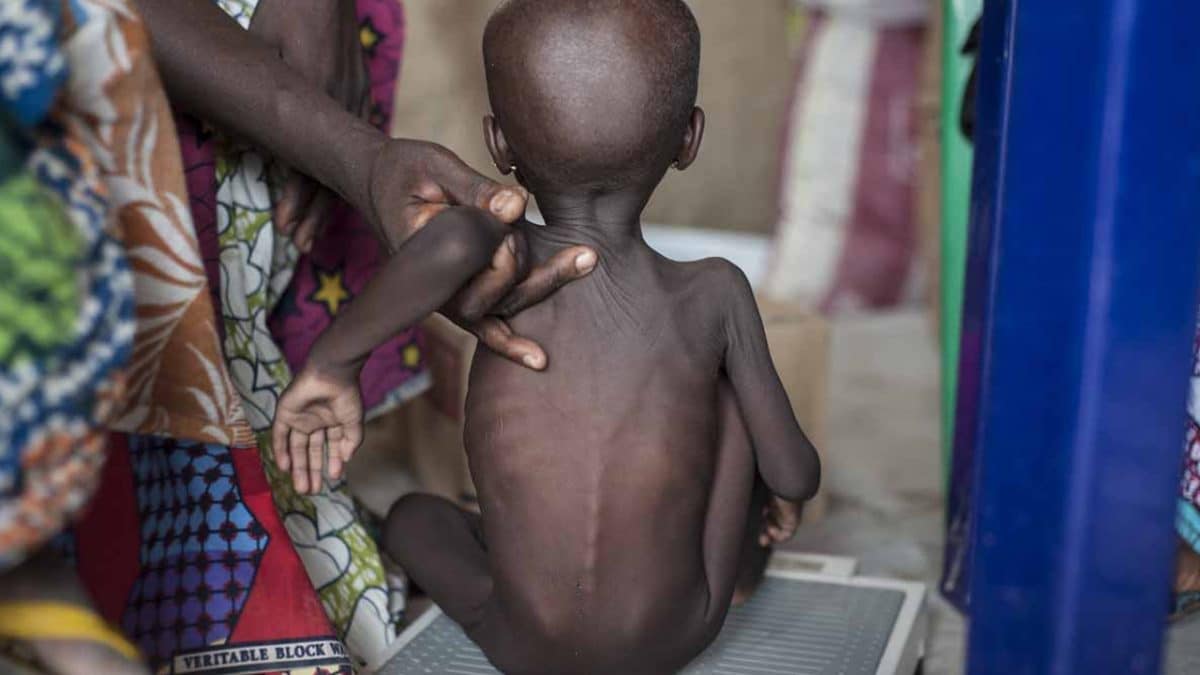
The child nutrition crisis in northern Nigeria worsened in 2025, with Médecins Sans Frontières (MSF), also known as Doctors Without Borders, reporting that 425,634 children were treated for acute malnutrition across seven northern states during the year.
The figure represents an increase of 185,502 children compared with the approximately 240,132 treated in 2023, highlighting the sharp deterioration in the nutrition situation across the region.
The states covered by MSF’s programmes are Zamfara, Kano, Katsina, Kebbi, Bauchi, Borno and Sokoto.
According to an MSF report titled Nigeria: Increased Malnutrition Crisis for Children and the Mental Health Strain for Caregivers, the number of children treated in 2025 was 41.8 per cent higher than the 300,165 recorded in 2024. The 2024 figure itself was about 25 per cent higher than the previous year’s caseload.
MSF attributed the worsening crisis to a combination of insecurity, displacement, food insecurity, disease outbreaks, reductions in humanitarian funding and Nigeria’s wider economic difficulties.
The organisation said the situation has remained critical into 2026. It estimated that 34.7 million Nigerians are facing crisis levels of food insecurity during the current lean season, while more than 5.4 million children nationwide are affected by acute malnutrition.
The scale of the crisis was also evident in the first half of 2025. Between January and June, MSF said 32,940 severely malnourished children were admitted to inpatient treatment centres, while another 136,255 received treatment through outpatient therapeutic feeding programmes.
MSF currently operates 12 inpatient therapeutic feeding centres and more than 30 outpatient centres across the seven states.
Beyond the physical consequences, the organisation highlighted the psychological impact of malnutrition on children and their caregivers, many of whom are mothers. Some caregivers spend between seven and 45 days at treatment facilities while their children receive care, leaving them separated from other family responsibilities.
In response, MSF has incorporated mental health and psychosocial support into some of its nutrition programmes. Services include psychological first aid, counselling and group support for caregivers, alongside structured play and rehabilitation activities for children.
The latest figures underscore the pressure facing northern Nigeria’s health and humanitarian systems, as conflict, displacement, food insecurity and funding constraints continue to expose vulnerable children to severe nutritional risks.
Fact-check note: The 185,502 figure is accurate, but it is important to phrase it correctly. It is the increase in the number of children treated in 2025 compared with the approximately 240,132 treated in 2023, rather than saying that 185,502 represents new individual cases of malnutrition. MSF reported 425,634 children treated in 2025, compared with 300,165 in 2024 and about 240,132 in 2023.


-

 Latest7 days ago
Full List: Meet the 2026 Nobel Prize winners across six categories
-

 Football7 days ago
Premier League Matchweek 7: Five Fixtures That Could Shape the Weekend
-

 Business5 days ago
Dangote Refinery IPO: 70% Subscription claim meets fourfold demand assertion as investors seek clarity
-

 Latest6 days ago
Umahi defends Lagos-Calabar highway route changes amid public outcry
-
Business6 days ago
Dangote Refinery IPO Extension: Was the 70% subscription report overhyped?
-

 Latest4 days ago
UCTH faces morgue crisis as 50 unclaimed corpses await mass burial
-
 Business4 days ago
BREAKING: Nigeria’s Inflation Rate Drops to 14.63% in September
-

 Featured6 days ago
El-Rufai, ADC governorship candidate’s court appearance puts Kaduna opposition politics in focus