
Crime
NAFDAC links alcohol abuse to rising banditry in Nigeria

By Anuoluwa Amao
NAFDAC’s Director-General has drawn an unexpected line between two crises Nigerians rarely discuss together alcohol abuse and the country’s banditry problem arguing that one is quietly feeding the other.
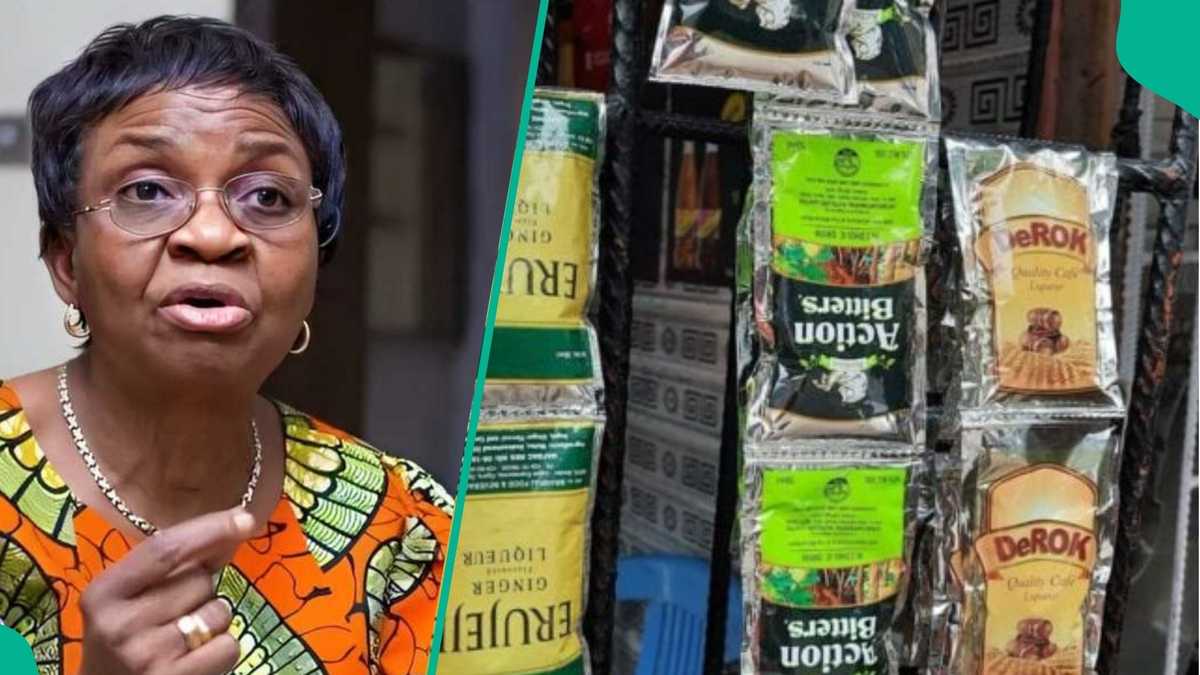
Speaking on Channels Television’s Sunrise Daily, Prof. Mojisola Adeyeye framed the agency’s ongoing sachet alcohol ban not as bureaucratic overreach, but as a response to a pattern she says has become impossible to ignore: cheap, high-strength alcohol in small, easily concealed packaging fueling reckless behavior that spills into violence and criminality.
Her argument rests on accessibility. Sachets and small PET bottles, she explained, were originally approved under very different market conditions decades ago long before anyone anticipated how widely they’d be abused. What was once a manageable product category has since become something the agency can barely track, let alone control, precisely because it’s so cheap and so easy to hide.
That accessibility, according to Adeyeye, isn’t just a public health issue it’s a societal one. She pointed to the physical toll first: sustained heavy drinking wrecking livers and kidneys over time. But her bigger concern seemed to be behavioral alcohol lowering inhibitions and clouding judgment in ways that, at scale, contribute to exactly the kind of lawlessness driving banditry in parts of the country.
READ ALSO; NAFDAC seals shops at Lagos Trade Fair over suspected unregistered cosmetics
She didn’t shy away from acknowledging the backlash the ban has triggered. Distillers, retailers and consumer groups have all pushed back at different points since enforcement began. But Adeyeye held her ground, insisting that protecting Nigeria’s children has to take priority over industry discomfort or short-term inconvenience a trade-off she framed as non-negotiable.
Her comments also tie into a broader mandate NAFDAC has been operating under, following a Senate resolution instructing the agency to enforce the ban without further delay. Adeyeye has previously linked the same small-format alcohol products to a wider list of social harms; domestic violence, road accidents, and school dropouts among them with minors and commercial drivers cited repeatedly as the groups most exposed to the fallout.
Her closing message was less about policy and more a direct appeal: that Nigerians weigh the long-term cost of normalized alcohol abuse, not just for themselves, but for the communities absorbing its consequences long after the drink is gone.


-

 Latest4 days ago
Cole-Alegbe unveils memoir, urges leaders to harness technology for lasting impact
-

 Business1 week ago
X3M Ideas donates 50 Walkie-Talkies to strengthen security operations in Onigbongbo
-

 Business4 days ago
Jetour G700 PHEV Storms Abuja as Jetour Nigeria Takes Luxury Mobility Showcase to FCT
-

 Business2 days ago
Nigerian Breweries’ H1 profitability strengthens as revenue hits N804bn
-

 Business6 days ago
Rising crude prices threaten fresh petrol price hike in Nigeria
-

 Business1 week ago
Naira breaks below N1,330/$, hits strongest level in over two years
-

 Business5 days ago
Multinationals exit Nigeria as economic pressures reshape business landscape
-

 Business2 days ago
Nigeria records N12.59trn trade surplus in Q2 2026 — NBS