
Business
Petrol landing cost drops to N1,283 as pump prices remain above N1,370

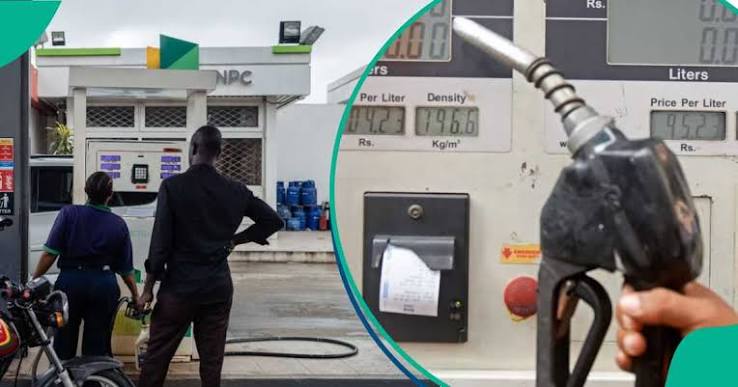
The landing cost of imported petrol in Nigeria has declined to N1,283.81 per litre, even as retail prices remain above N1,370 per litre in Abuja and neighbouring areas.
The latest figures were contained in a bulletin released on Monday by the Major Energies Marketers Association of Nigeria (MEMAN).
According to the bulletin, the landing cost of Premium Motor Spirit (PMS), commonly known as petrol, fell from N1,292.88 to N1,283.81 per litre, representing a decline of N9.07.
The reduction comes amid volatility in the international oil market, with Brent crude trading at $110.70 per barrel and West Texas Intermediate at $99.90 per barrel at the time of reporting.
Despite the decline in import landing costs, domestic supply prices remain higher.
Dangote Refinery’s gantry price for petrol stood at N1,350 per litre, while depot owners offered the product at prices ranging from N1,348 to N1,358 per litre.
READ ALSO; Fuel tax looms as IMF questions where Nigeria’s subsidy savings went
Meanwhile, motorists in Abuja and its environs were paying between N1,370 and N1,429 per litre at filling stations, reflecting the additional costs associated with distribution, transportation and retail operations.
The difference between landing costs and pump prices has renewed attention on the factors determining petrol prices in Nigeria, particularly the impact of logistics, distribution margins and international crude oil market movements.
The latest development also comes amid uncertainty over a proposed petrol price relief initiative by the Federal Government.
On October 8, 2026, the Minister of Finance and Coordinating Minister of the Economy, Taiwo Oyedele, proposed a 30-day fuel discount at Nigerian National Petroleum Company Limited (NNPCL) filling stations, with petrol expected to sell for N1,350 per litre.
However, as of the time of reporting, the proposed discount had yet to be implemented at NNPCL filling stations.
The delay leaves motorists facing prevailing market prices despite expectations of temporary relief.
Petrol prices remain a major concern for households and businesses because of the fuel’s influence on transportation fares, power generation and the cost of moving goods across the country.
Although the decline in landing costs could ease some pressure on the domestic market, its effect on retail prices will depend on subsequent supply costs, pricing decisions by marketers and developments in the international oil market.
For consumers, the key question is whether the latest reduction in landing costs will translate into lower pump prices in the coming days.


-
 Business1 week ago
Dangote Refinery IPO: 70% Subscription claim meets fourfold demand assertion as investors seek clarity
-

 Featured4 days ago
Inside INEC’s race to prepare for Nigeria’s 2027 elections
-
Business1 week ago
Dangote Refinery IPO Extension: Was the 70% subscription report overhyped?
-

 Latest6 days ago
UCTH faces morgue crisis as 50 unclaimed corpses await mass burial
-

 Featured4 days ago
2027: APC unveils nationwide campaign timetable, Tinubu to rally in 12 states
-

 Business6 days ago
BREAKING: Nigeria’s Inflation Rate Drops to 14.63% in September
-

 Featured1 week ago
El-Rufai, ADC governorship candidate’s court appearance puts Kaduna opposition politics in focus
-

 Aviation1 week ago
Germany opens online application route for student, EU Blue Card and other long-stay visas