
Latest
El Niño: Meaning, causes and possible effects on Nigeria

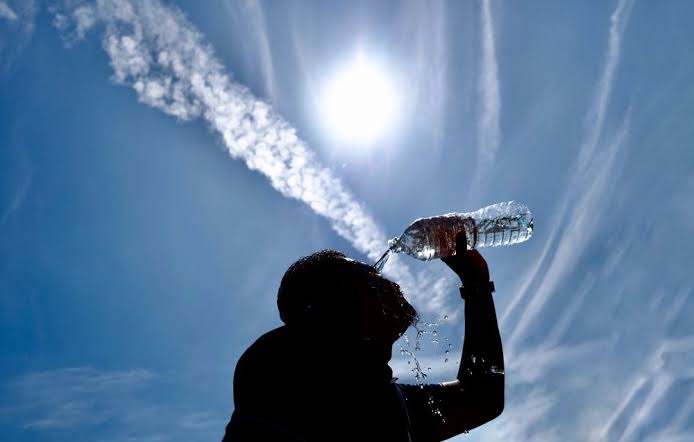
From rising temperatures to changing rainfall patterns, here is what Nigerians need to know about the climate phenomenon, its potential effects and how to stay safe.
El Niño has become a growing topic of public discussion in Nigeria amid intense heat and warnings about its potential impact on temperatures, rainfall, agriculture and public health.
Concern has also been fuelled by projections that extreme heat associated with the phenomenon could cause thousands of deaths in Nigeria and hundreds of thousands globally. Such figures are estimates of potential impacts, not confirmed death tolls.
But what exactly is El Niño, how does it work, and what could it mean for Nigerians?
What is El Niño?
El Niño is a natural climate phenomenon that occurs when sea-surface temperatures in the central and eastern tropical Pacific Ocean become warmer than normal.
The name comes from Spanish, meaning “the little boy”, and was inspired by fishermen off the coasts of Peru and Ecuador who observed unusually warm ocean waters around Christmas.
El Niño is part of a broader climate pattern known as the El Niño-Southern Oscillation (ENSO), which has three phases:
These phases influence atmospheric circulation, changing weather patterns across different parts of the world.
How does El Niño cause extreme weather?
Under normal conditions, trade winds push warm surface water towards the western Pacific, allowing cooler water to rise in the eastern Pacific.
During El Niño, these winds weaken, allowing warm water to move eastwards towards South America. This changes the distribution of heat and moisture in the atmosphere, influencing rainfall and temperatures far beyond the Pacific region.
El Niño events generally occur every two to seven years and typically last nine to 12 months, although their duration varies.
Scientists classify them according to their strength. The term “Super El Niño” is an informal expression for an exceptionally strong event, rather than a separate scientific category.
Why is Nigeria concerned?
El Niño does not affect every country in the same way. Its influence depends on regional weather systems and how they interact with changes in the Pacific Ocean.
In West Africa, it can be associated with below-average rainfall in parts of the Sahel. Other regions may experience drought, excessive rainfall or flooding, depending on the prevailing climate conditions.
Nigeria’s weather is also strongly influenced by the West African monsoon, which brings moisture-laden winds from the Atlantic Ocean.
In August, the Nigerian Meteorological Agency (NiMet) reportedly warned that a developing El Niño event could influence rainfall patterns across the country.
The seasonal outlook cited in the report projected above-average rainfall in parts of northern Nigeria, including Sokoto, Kebbi, Zamfara, Katsina, Kano, Yobe, Borno, Bauchi and Jigawa.
Parts of the southwest and south-south, including Oyo, Ogun, Osun, Ekiti, Edo and Delta, were projected to experience below-average rainfall. Parts of Kogi and Benue could also face drier conditions.
These projections are not guarantees of specific daily weather conditions. Above-average seasonal rainfall, for example, does not mean that it will rain heavily every day. Rainfall could instead be concentrated in a few intense downpours.
How could El Niño affect food, water and electricity?
Changes in rainfall and temperature could have consequences for several sectors.
Agriculture: Reduced rainfall may leave crops without sufficient moisture, while excessive rainfall could flood farms and damage crops. Farmers may need to adjust planting dates and consider early-maturing or drought-tolerant varieties where appropriate.
Water supply: Prolonged dry conditions could reduce water levels in rivers, reservoirs and dams, putting pressure on household supplies, irrigation and industrial use.
Electricity: Lower inflows into hydropower reservoirs could affect electricity generation and increase pressure on other sources of power.
Public health: Flooding can contaminate drinking water and increase exposure to waterborne diseases. Stagnant water may create mosquito breeding sites, while extreme heat can cause dehydration, heat exhaustion and heatstroke.
These are potential consequences, not inevitable outcomes. The severity will depend on local weather conditions, preparedness and the effectiveness of government responses.
Could El Niño make Nigeria’s heat more dangerous?
Extreme heat is a serious health concern, particularly for children, older people, pregnant women, people with certain medical conditions and outdoor workers.
However, El Niño should not automatically be blamed for every heatwave. Local weather conditions, other climate patterns and long-term global warming can also influence temperatures.
Projections of heat-related deaths should likewise be treated as estimates of possible risk rather than certain outcomes. The actual impact depends on temperature levels, exposure and protective measures.

Seven ways to protect yourself during extreme heat
Drink water regularly: Do not wait until you feel thirsty. Follow medical advice if you have been instructed to limit fluid intake.
Avoid strenuous activities during peak heat: Where possible, reduce outdoor work around midday and early afternoon.
Wear lightweight clothing: Loose-fitting clothes, hats and umbrellas can help reduce heat exposure.
Keep your home cool: Block direct sunlight with curtains and improve ventilation when outdoor air is cooler.
Check on vulnerable people: Pay particular attention to children, older adults and pregnant women. Never leave anyone in a parked vehicle.
Recognise heat illness: Dizziness, nausea, headache and weakness may indicate heat exhaustion. Confusion, seizures or loss of consciousness require emergency medical attention and rapid cooling.
Follow official forecasts: Monitor NiMet updates and public health advisories for your location.
What should governments do?
Individual precautions are important, but governments also need to strengthen heat-warning systems, improve access to clean drinking water, provide shaded public spaces and equip health facilities to respond to heat-related illnesses.
Weather forecasts should be communicated clearly and in local languages so that communities, farmers and outdoor workers can make informed decisions.
The bottom line: El Niño is a natural climate pattern with far-reaching effects, but it does not determine Nigeria’s weather on its own. Understanding local forecasts, preparing for extreme heat and responding early to changing rainfall conditions will be essential to protecting lives, livelihoods and food supplies.


-

 Featured3 days ago
BREAKING NEWS: Shouts of joy rock the world as Pastor Chris opens final Healing Streams edition for 2026
-

 Football4 days ago
Man United shortlist Emery, Nagelsmann as potential replacements for Carrick
-

 Business4 days ago
Hoodlums raid JED Benue office, abduct 10 staff over power dispute
-

 Football4 days ago
Aston Villa ready to freeze out Garnacho to avoid £43m Chelsea transfer
-
 Business1 week ago
Naira faces exchange rate gap as Dollar hits N1,380 on parallel market
-

 Business4 days ago
EV adoption: Roxettes seeks cheaper financing, local manufacturing incentives
-

 Latest4 days ago
Akpabio tasks Tompolo-backed movement with spreading Tinubu’s renewed hope message
-

 Business3 days ago
How Ethiopian Airlines is challenging Africa’s aviation narrative through self-reliance