
News
Water crisis hits Northeast

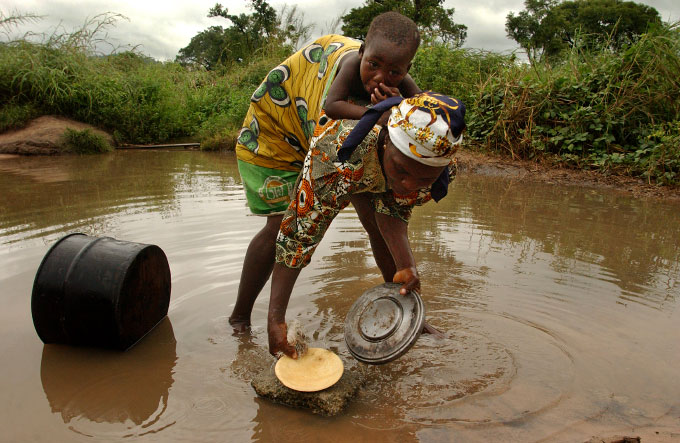
Over 3.6 million people are said to be dire need of basic water services in Nigeria’s northeast following Boko Haram insurgency in the region.
The United Nation Children’s Fund (UNICEF) in a recent report said insurgency in the Northeast destroyed no less than 75 per cent of the water and sanitation infrastructure in the geo-political zone.
UNICEF’s Global Chief of Water, Sanitation and Hygiene, Sanjay Wijeseker, stated that in far too many cases, water and sanitation systems have been attacked, damaged or left in disrepair to the point of collapse.
“When children have no safe water to drink, and when health systems are left in ruins, malnutrition and potentially fatal diseases like cholera will inevitably follow,” he added.
“In famine-threatened north-east Nigeria, Somalia, South Sudan and Yemen, nearly 30 million people, including 14.6 million children, are in urgent need of safe water.
“More than five million children are estimated to be malnourished this year, with 1.4 million severely so,” the UNICEF official stressed.
He added that in South Sudan, where fighting has raged for over three years, almost half the water points across the country have been damaged or completely destroyed.
In countries beset by violence, displacement, conflict and instability, children’s most basic means of survival – water – must be a priority, he said.
Wijesekera warned that children living in fragile situations were four times more likely to lack access to drinking water.
ALSO SEE: Fear of terror attacks: Police restrict vehicular movement in Maiduguri
“Children’s access to safe water and sanitation, especially in conflicts and emergencies, is a right, not a privilege” Wijesekera said.
According to the UNICEF official, more than 180 million people in crisis-torn countries have no access to drinking water.
UNICEF said that in Yemen, a country reeling from the impact of over two years of conflict, water supply networks that serve the country’s largest cities are at imminent risk of collapse due to war-inflicted damage and disrepair.
Around 15 million people in the country have been cut off from regular access to water and sanitation, the UN children’s agency said.
UNICEF said Somalia was suffering from the largest outbreak of cholera in the last five years, with nearly 77,000 cases of suspected cholera/acute watery diarrhoea.



-

 Latest1 week ago
Pastor Chris Oyakhilome announces mother’s passing at 88 [VIDEO]
-

 Latest2 days ago
US Immigration fees rise from October 16 as USCIS announces new charges
-

 Football6 days ago
How David Beckham made $51.1m from 2026 World Cup, surpassing winners’ prize
-

 Comments and Issues7 days ago
Fani-Kayode on Atiku: Separating claims from the record
-

 Latest1 week ago
How adulterated palm oil, coloured pepper are putting consumers at risk
-
 Crime1 week ago
Deaths in NSCDC Custody: Can Nigeria guarantee the safety of detainees?
-

 Health5 days ago
COVID-19 Hospital care under scrutiny as US Senate hears patient, family testimonies
-

 Business5 days ago
OpenAI shelves GPT-6.1 astra release over safety concerns