
News
World Bank predicts waste growth in Africa

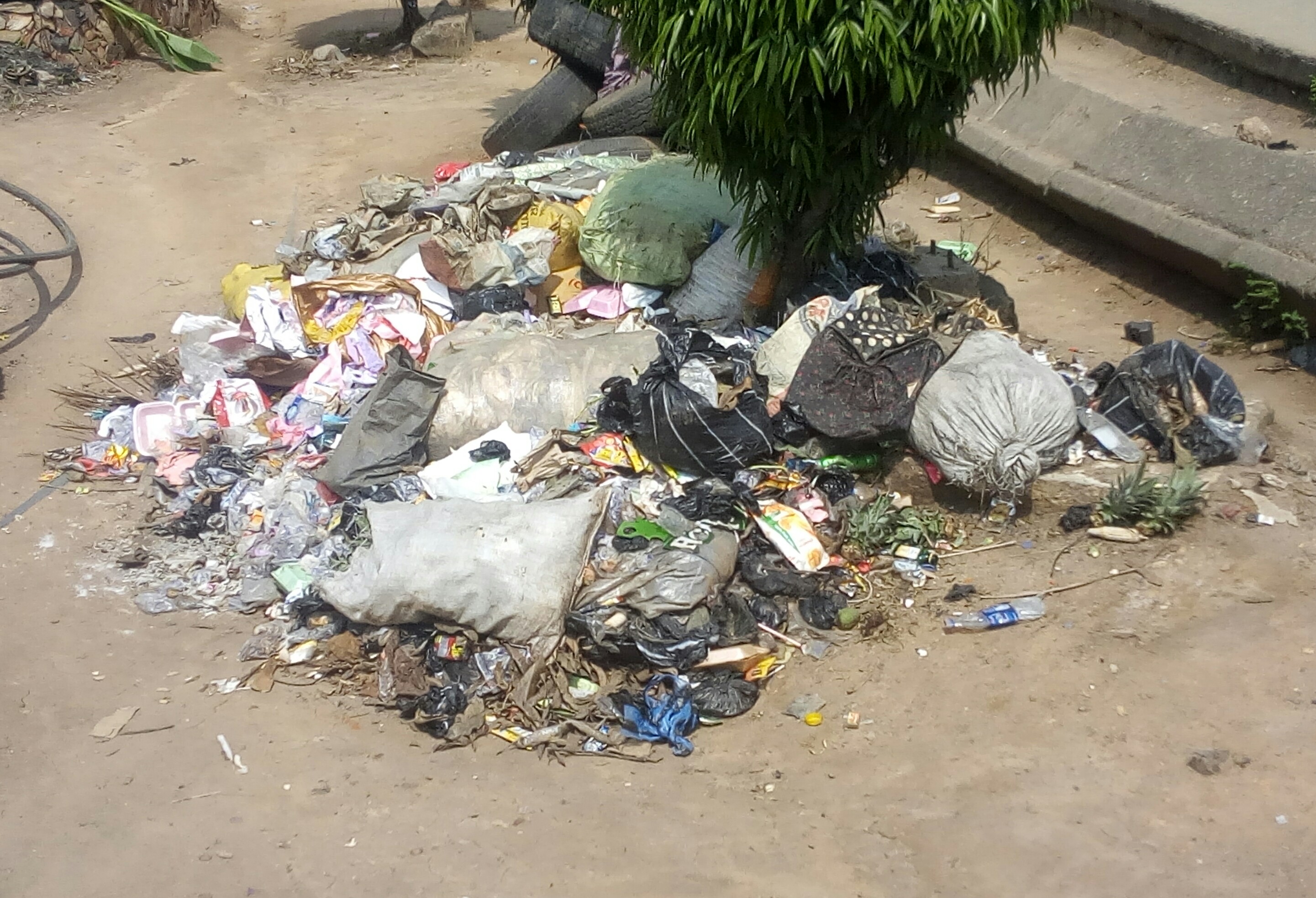
Global waste could grow by 70 per cent by 2050 as urbanisation and populations rise, warns the World Bank.
South Asia and Sub-Saharan Africa are set to generate the biggest increase in rubbish.
Countries could reap economic and environmental benefits by better collecting, recycling and disposing of trash, according to a report.
The report calculated that a third of the world’s waste is instead dumped openly, with no treatment.
“We really need to pay attention to South Asia and Sub-Saharan Africa, as by 2050, South Asia’s waste will double, sub-Saharan Africa’s waste will triple,” said Silpa Kaza.
Ms Kaza is World Bank urban development specialist and report lead author.
“If we don’t take any action it could have quite significant implications for health, productivity, environment, livelihoods,” she told the media by phone from Belarus.
According to the report, the rise in rubbish will outstrip population growth, reaching 3.4 billion tons by 2050 from around two billion tons in 2016.
High-income countries produce a third of the world’s waste, despite having only 16 per cent of world’s population, while a quarter comes from East Asia and the Pacific regions, it said.
While more than a third of waste globally ends up in landfill, over 90 per cent is dumped openly in lower income countries that often lack adequate disposal and treatment facilities, said the report.
A booming waste burden could also contribute to climate change impact, with the treatment and disposal of current waste levels generating around five per cent of carbon emissions.
Adequate financing for collection and disposal is one of the biggest issues for cities that often struggle to cover the costs of providing waste services, said Ms Kaza.
“If the incentives are aligned and there’s an ability for contracts to be enforced, then the private sector can be a really powerful player,” she said.
Boosting recycling and cutting plastics consumption along with food waste could help reduce rubbish, said the report, which noted a number of low income countries lack laws to deal with waste.
Plastics, which can contaminate waterways and ecosystems for thousands of years, comprise 12 per cent of all waste, the World Bank said.
“Unfortunately, it is often the poorest in society who are adversely impacted by inadequate waste management,” Laura Tuck, World Bank sustainable development vice president, said in a statement.
“It doesn’t have to be this way. Our resources need to be used and then reused continuously so that they don’t end up in landfills.


-

 Latest1 week ago
Global excitement builds as Healing Streams Live Services returns October 23
-
 Featured6 days ago
Inside INEC’s race to prepare for Nigeria’s 2027 elections
-

 Featured6 days ago
2027: APC unveils nationwide campaign timetable, Tinubu to rally in 12 states
-

 Business1 week ago
President Tinubu and the Low Transport Fares Fiasco
-
 Business4 days ago
Naira faces exchange rate gap as Dollar hits N1,380 on parallel market
-
 Business6 days ago
Court dismisses ₦170m Trade Fair contract claim, says Zenith Bank was not a party
-
 Latest6 days ago
Breaking: NNPCL raises petrol price to ₦1,405 per litre amid discount controversy
-
 Business1 week ago
Rite Foods targets beverage market growth with LIDA Malt