
Health
7 ways cooking salt affects your health


We need salt to survive as our bodies rely on sodium for muscle contractions, nerve transmissions and the control systems for balancing body fluids, together with other electrolytes like potassium.
However, our bodies react negatively when we consume too much salt, and this can affect our brain, kidneys, arteries and heart.
The overuse of salt can cause chemical imbalances that can lead to death.
Salt is the major factor contributing to stroke and heart attacks in South Africa, claiming more lives each year than all forms of cancer combined. The World Health Organization recommends 5g per day; however, it is estimated that South Africans use 8.5g.
Here is a list of reasons why too much salt is bad for your health:
1. Cardiovascular disease
Exceeding the recommended daily sodium intake contributes to a high risk of cardiovascular disease in adults. According to an article published in the The BMJ, high salt intake is associated with a significantly increased risk of stroke and cardiovascular disease.
2. Brain
According to the Journal of Nutrition, Health and Aging, high dietary sodium intake has been linked to hypertension and cardiovascular disease (CVD). The study also reveals that a high dietary sodium intake may impair cognitive function in older people.
3. Oedema
Swelling of the knees or feet and even your hands can be caused by oedema. An article published in Livestrong.com claims that a high sodium diet causes your body to retain water. Depending on the severity, it may be treated with either a change in diet or prescription medication.
4. Craving more salt/unhealthy foods
Consuming too much salt over a long period of time can make your taste buds accustomed to the taste, no longer registering how much salt you’re consuming.
5. Stomach cancer
Overconsumption of processed foods is harmful to your stomach. Reducing your bacon, sausages, high in salt and hidden fats can reduce your risk of stomach cancer, according to Consensus Action on Salt & Health. Men are more vulnerable than women.
6. Kidneys
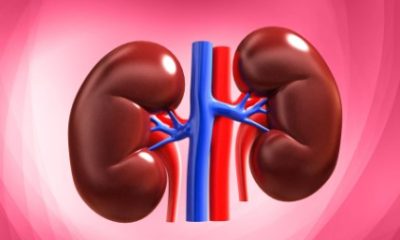
Your kidneys help to remove waste products, balance fluid levels and control the production of red blood cells in your body. But with a high salt intake and high blood pressure combined, this can be lethal to your kidneys. According to an article published in Blood Pressure UK, this reduces your kidneys’ ability to filter out unwanted toxins.
7. Bloating
Eating out can leave you feeling bloated and the foods high in salt tend to be the culprit. Health24 previously reported that high sodium foods, usually processed foods, can cause the body to retain water. It is highly recommended that you read your food labels and refrain from adding salt, rather adding herbs or spices for flavour.













-

 Featured1 week ago
Nigeria’s youth unemployment paradox: Graduates struggle as millions survive in informal jobs
-

 Business1 week ago
Nigerian Banks earn N521.8bn from E-banking, card fees in nine months
-

 Energy1 week ago
Nigeria’s power crisis deepens as ₦639bn unpaid gas debt threatens electricity supply
-
 Featured6 days ago
Tinubu’s Renewed Hope: Reforms, hardship and the unanswered question of a second term
-

 Latest1 week ago
Dalung claims ‘message from Buhari’s grave’ urges Nigerians to vote Atiku in 2027
-

 Featured6 days ago
The cost of Renewed Hope: How Nigeria’s economic reforms are reshaping everyday family life
-

 Latest1 week ago
Ondo shuts ponmo processing centre after discovery of human waste
-

 Education1 week ago
Nigeria’s education crisis deepens as schools battle infrastructure deficits