
Crime
Abduction of reverend Afina highlights escalating insecurity in Northeast Nigeria
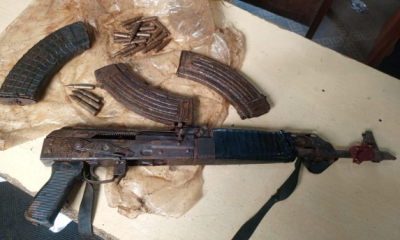
The recent abduction of Reverend Alphonsus Afina casts a harsh light on Nigeria’s deepening insecurity, particularly in the volatile northeast, where a decade-long insurgency continues to claim lives and displace millions, with religious leaders increasingly becoming prime targets.


Nigeria is once again grappling with a high-profile abduction, this time of Reverend Alphonsus Afina, drawing renewed attention to the escalating insecurity in the country’s northeast.
For over a decade, insurgent violence has remained a grim and pervasive reality in the region.
Since 2009, the Islamist militant group Boko Haram has waged a brutal insurgency across Borno and other northeastern states.
The conflict has resulted in a devastating toll, with humanitarian agencies and government reports indicating over 35,000 deaths and the displacement of more than two million residents.
Thousands have been forced to flee their homes, with many still enduring precarious conditions in overcrowded internally displaced persons (IDP) camps.
Initially targeting government forces and civilians, the insurgency has alarmingly expanded to include attacks on religious institutions and clergy.
In recent years, both Christian priests and Muslim clerics have been abducted, tortured, or killed, often used as leverage for ransom or to make political statements.
“Clergy have increasingly become soft targets,” remarked a security analyst based in Abuja.
“They represent both symbolic authority and moral resistance, which makes them vulnerable in areas where extremists seek to impose their ideology.”
Reverend Afina’s abduction marks yet another chilling chapter in this disturbing pattern.
His case follows several recent incidents, including the murder of two Catholic priests in Kaduna State earlier this year and the abduction of a Methodist bishop in Taraba, who was later released after ransom negotiations.
Religious and human rights groups are intensifying their calls for greater protection of clergy and stricter government accountability.
“This is not just a faith issue, it’s a human rights crisis,” asserted a spokesperson from the Christian Association of Nigeria (CAN).
ALSO READ : Death Toll from Sokoto Explosion Rises to Eight
Our religious leaders should not live in fear for simply doing their work.
Despite repeated claims by the Nigerian military that Boko Haram has been “technically defeated,” the alarming frequency and scale of attacks tell a starkly different story.
The group, along with its splinter faction ISWAP (Islamic State West Africa Province), continues to carry out kidnappings, bombings, and assaults with disturbing regularity.
The Nigerian government has pledged renewed efforts to address the crisis.
However, for communities in Borno and surrounding areas, true peace still feels distant.
The abduction of clergy like Reverend Afina only serves to underscore the urgent need for comprehensive and long-term solutions to bring stability back to the region.











-

 Featured5 days ago
Nigeria’s youth unemployment paradox: Graduates struggle as millions survive in informal jobs
-

 Business1 week ago
Fuel price: Our eyes on you, FCCPC tells oil marketers
-

 Business5 days ago
Nigerian Banks earn N521.8bn from E-banking, card fees in nine months
-

 Business1 week ago
Petrol import cost drops to N1,164 per litre as crude oil prices decline
-

 Latest1 week ago
2027 elections: Former INEC commissioner warns against ‘Rig and Die’ slogan, says violence undemocratic
-

 Latest5 days ago
Dalung claims ‘message from Buhari’s grave’ urges Nigerians to vote Atiku in 2027
-
 Energy5 days ago
Nigeria’s power crisis deepens as ₦639bn unpaid gas debt threatens electricity supply
-
 Latest1 week ago
2027: Donald Duke offers to step down for consensus opposition candidate