
Business
CBN cracks down on illicit mint naira trade, slaps Banks with fresh sanction

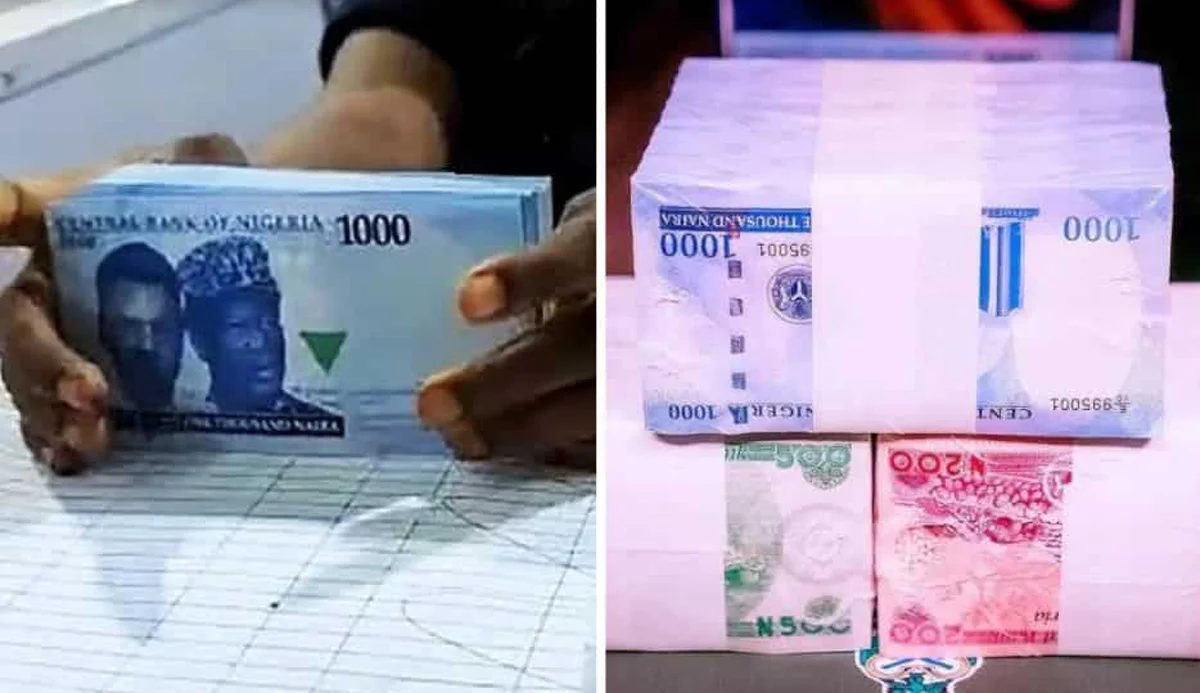
The Central Bank of Nigeria (CBN) has imposed a hefty penalty of N150 million per branch on Deposit Money Banks (DMBs) found guilty of channeling freshly minted naira notes to currency hawkers.
This decisive move, aimed at curbing the commodification of the naira, underscores the apex bank’s renewed commitment to ensuring efficient cash distribution across the country.
In a circular issued on December 13, 2024, and signed by Mohammed J. Olayemi, Acting Director of the CBN’s Currency Operations Department, the bank expressed deep concern over the increasing sale of mint naira notes at hawking spots nationwide.
The circular references an earlier directive dated November 13, 2024, signaling a sustained effort by the apex bank to address this persistent issue.
The CBN warned that the fine would apply at the first instance of any bank branch being caught facilitating or enabling the illegal flow of mint notes.
Repeat offenders, however, face stricter penalties under the Banks and Other Financial Institutions Act (BOFIA) 2020.
To monitor compliance, the apex bank announced it will intensify spot checks in bank branches, ATM reviews, and mystery shopping exercises to identify cash hawking hotspots and pinpoint culpable financial institutions.
READ ALSO: Lawmakers urge CBN to address lingering scarcity of naira notes
Financial analysts have largely welcomed the CBN’s move, describing it as a necessary intervention to restore integrity to Nigeria’s cash distribution system.
Dr. Olumide Bassey, an economic analyst at ProInsight Capital, noted: “The sale of mint notes on the black market has eroded confidence in the banking sector. This penalty sends a strong message to banks that illicit cash diversion will not be tolerated. If properly enforced, it could clean up a significant part of the problem.”
Bode Akinyele, a financial risk expert, added: “The CBN’s use of mystery shopping and spot checks is an effective strategy. Banks must now tighten their internal controls to avoid heavy penalties. Beyond fines, reputational damage is a serious concern for any institution caught in this malpractice.”
The apex bank emphasized that banks must strengthen internal cash management controls across branches, Cash Management Centres, and teller operations.
The CBN has also urged DMBs to ensure their cash distribution channels are not exploited for illegal purposes, particularly during the yuletide season when demand for cash peaks.
The illicit flow of mint naira notes has been a persistent problem, with many accusing bank insiders of colluding with hawkers to divert cash.
Analysts argue that the penalties alone may not be enough unless the root causes, including internal laxity within banks and weak monitoring frameworks, are addressed.
Dr. Bassey added: “While fines serve as a deterrent, the CBN must also improve its surveillance mechanisms and collaborate more effectively with law enforcement agencies to dismantle the networks facilitating this black-market trade.”
In the words of Bode Akinyele: “This is a wake-up call for banks. The days of turning a blind eye to cash diversion are over. Strict penalties and enhanced monitoring are essential steps toward achieving an efficient, transparent, and accountable cash distribution system in Nigeria.”


-

 Latest1 week ago
Global excitement builds as Healing Streams Live Services returns October 23
-

 Featured7 days ago
Inside INEC’s race to prepare for Nigeria’s 2027 elections
-

 Business1 week ago
President Tinubu and the Low Transport Fares Fiasco
-

 Featured7 days ago
2027: APC unveils nationwide campaign timetable, Tinubu to rally in 12 states
-

 Business4 days ago
Naira faces exchange rate gap as Dollar hits N1,380 on parallel market
-
 Business7 days ago
Court dismisses ₦170m Trade Fair contract claim, says Zenith Bank was not a party
-

 Latest7 days ago
Breaking: NNPCL raises petrol price to ₦1,405 per litre amid discount controversy
-
 Business1 week ago
Rite Foods targets beverage market growth with LIDA Malt