
Business
China escalates trade war, slams U.S goods with fresh tariffs

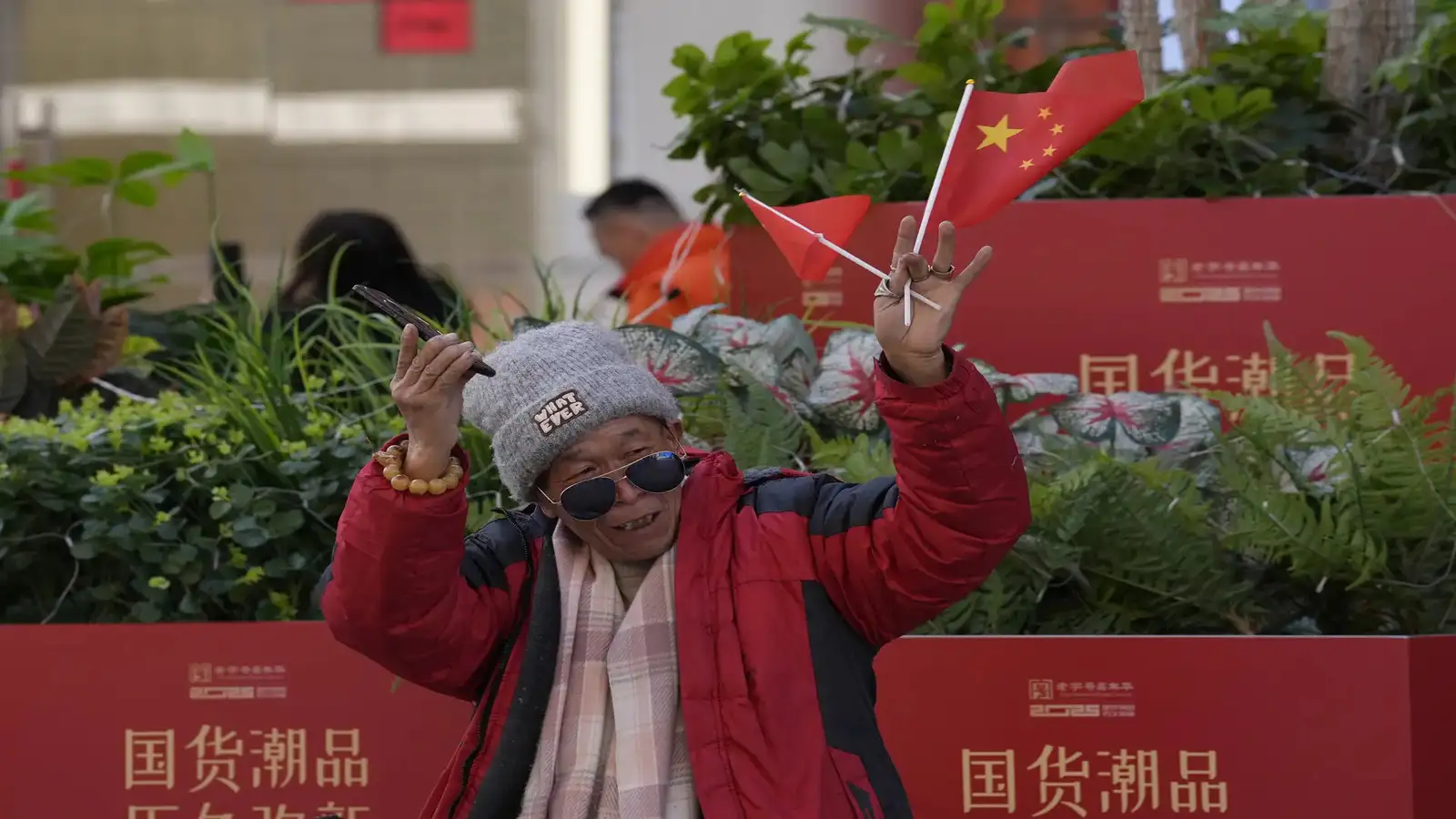
China has sharply escalated its trade dispute with the United States, announcing a dramatic hike in tariffs on American imports from 84% to 125%, effective Saturday, April 12, 2025.
This move marks a forceful retaliation to President Donald Trump’s sweeping tariff regime, which imposed a 145% universal duty on Chinese goods, as part of an increasingly combative trade stance.
The announcement, made on Wednesday by China’s Ministry of Commerce, signals Beijing’s intent to match Washington’s aggression with equally forceful countermeasures.
The new tariffs, described by analysts as unprecedented in scale, come amid intensifying geopolitical and economic tensions between the world’s two largest economies.
In a pointed statement, a spokesperson for the Chinese Ministry of Commerce mocked the U.S. strategy, calling the escalating tariff war “a joke in the history of the world economy.”
“The U.S. alternately raising abnormally high tariffs on China has become a numbers game with no practical economic significance,” the spokesperson said.
“If the U.S. insists on continuing to substantially infringe on China’s interests, China will resolutely counter and fight to the end.”
China also announced that it will file a formal complaint with the World Trade Organization (WTO), challenging the legality of the U.S. tariffs.
This underscores Beijing’s strategy of combining economic retaliation with diplomatic pressure, using international legal frameworks to counter what it sees as economic aggression.
Notably, Trump excluded a separate 20% tariff targeting China over alleged links to fentanyl production. The exclusion, however, has not tempered the overall tone of confrontation between the two countries.
READ ALSO: China implements new 84% tariffs on U.S. imports
Just hours after announcing the tariffs, Trump made an unexpected pivot by suspending reciprocal duties on 56 other countries and the European Union, reducing their tariffs to a baseline of 10% for the next 90 days.
The move appears to be a response to mounting pressure from business leaders, global investors, and economic advisors, who warned that escalating trade tensions could tip the world economy into recession.
Markets around the globe remain on edge, with economists warning of major disruptions to international supply chains, heightened price volatility, and long-term uncertainty.
Many multinational corporations have begun reevaluating sourcing strategies and export plans amid the rapidly shifting policy environment.
China’s latest move, economists say, is not just economic but deeply symbolic, reinforcing its resolve to defend its economic sovereignty and reject unilateral actions by the U.S.
With both nations now locked in a tit-for-tat tariff spiral, the risk of prolonged global trade instability is growing — a scenario that could affect everything from consumer prices and inflation to corporate earnings and cross-border investment.
The world watches closely as the trade war, once largely rhetorical, now takes full effect in policy and practice.


-

 Featured1 week ago
Inside INEC’s race to prepare for Nigeria’s 2027 elections
-
 Featured1 week ago
2027: APC unveils nationwide campaign timetable, Tinubu to rally in 12 states
-
 Business5 days ago
Naira faces exchange rate gap as Dollar hits N1,380 on parallel market
-
 Business1 week ago
Court dismisses ₦170m Trade Fair contract claim, says Zenith Bank was not a party
-

 Latest1 week ago
Breaking: NNPCL raises petrol price to ₦1,405 per litre amid discount controversy
-

 Football2 days ago
Man United shortlist Emery, Nagelsmann as potential replacements for Carrick
-

 Featured1 week ago
From kitchen to Supreme Court: Nigerian’s fight over alleged support for terrorists
-

 Business7 days ago
NCC launches Internet Governance Working Group to tackle AI risks, boost online safety