
Business
CPPE warns inflation will persist without fixing FX, insecurity challenges

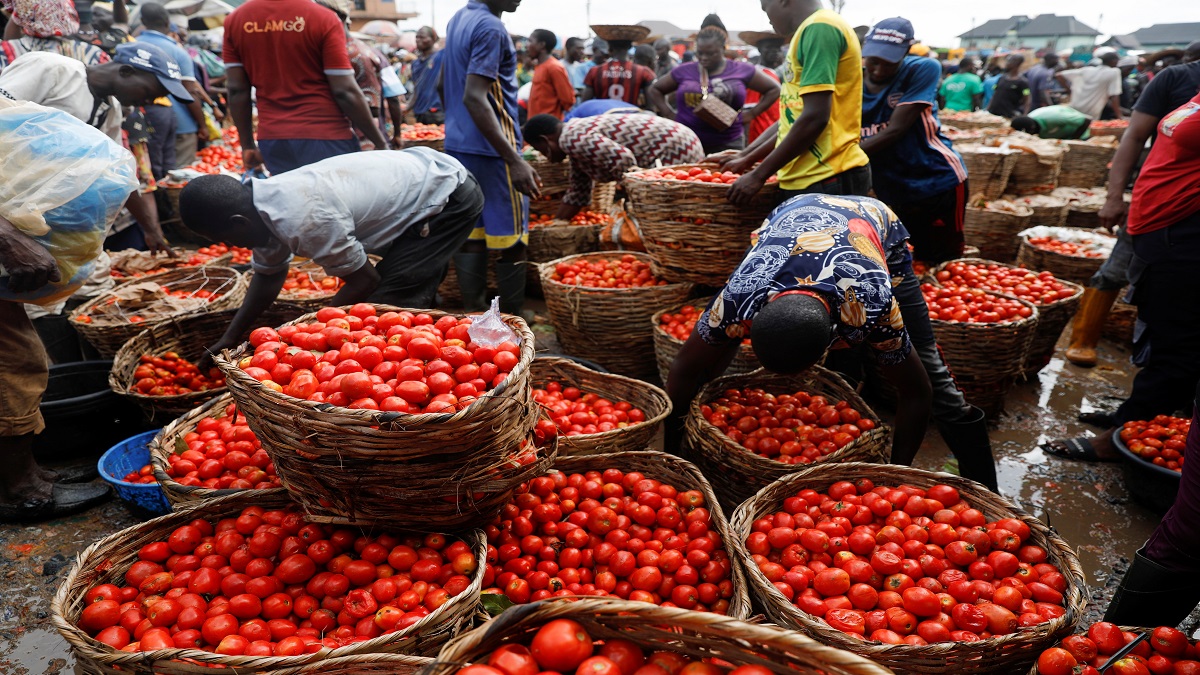
Following Nigeria’s inflation rate surge to 32.70% in September, economic think-tank, the Centre for the Promotion of Private Enterprise (CPPE), has cautioned the government that tackling inflation requires addressing key structural issues, including insecurity, power supply, and foreign exchange (FX) volatility.
The inflation hike, reported on October 15, 2024, comes after two months of declines.
Muda Yusuf, CEO of CPPE, emphasized that the current inflationary pressures are primarily driven by supply-side challenges, which have yet to be effectively managed. He identified several factors exacerbating inflation, including the depreciating naira, high fuel prices, transportation costs, energy expenses, and insecurity in farming regions.
“Elevated inflationary pressures escalate production costs, weaken profitability, and dampen investors’ confidence,” Yusuf said. “Not many investors can pass on these rising costs to consumers due to weak purchasing power.”
Yusuf stressed that the government must address power, logistics, and FX issues to curb inflation, noting that high energy and exchange rate fluctuations have a significant impact on rising prices.
READ ALSO: Inflation soars to 32.70% in September, analysts caution on prolonged pressure
He also called for urgent intervention to reduce production costs for the real sector, suggesting that concessionary import duties for industrialists could help alleviate the burden.
In addition, Yusuf highlighted the importance of state governments in mitigating food inflation.
He urged states to focus on improving rural infrastructure, such as roads, to reduce transportation costs and ensure better market access for agricultural produce.
“States are closer to stakeholders in the agricultural and food value chain and can have a greater impact on agricultural productivity,” he noted.
While acknowledging that there are no quick fixes, Yusuf called on the federal government to prioritize these issues and accelerate progress with targeted strategies.
He expressed optimism that the proposed Economic Stabilization Bill, currently before the National Assembly, could address some of these concerns from a fiscal standpoint, helping to stabilize inflation in the long term.


-
 Latest7 days ago
Israel marks 3 years since October 7 Hamas attack amid Gaza strikes, election debate
-

 Energy6 days ago
Fuel Battle: Dangote, marketers and government clash over petrol imports
-

 Energy1 week ago
Petrol, diesel prices rise 86% in 2026 as costs hit fresh highs
-

 Football1 week ago
Nigeria’s World Cup exit under spotlight as FIFA’s DR Congo files emerge
-

 Latest1 day ago
Full List: Meet the 2026 Nobel Prize winners across six categories
-

 Latest1 week ago
US Court set to rule on release of FBI, DEA records on Tinubu
-

 Business1 week ago
Nigerian investors at a crossroads as fixed-income yields slide
-

 Latest1 week ago
Oyo APC crisis deepens as Oluyole reconciliation meeting ends in brawl