
Health
Fear, misinformation, stigma deter pregnant women from obstetric care – UNFPA

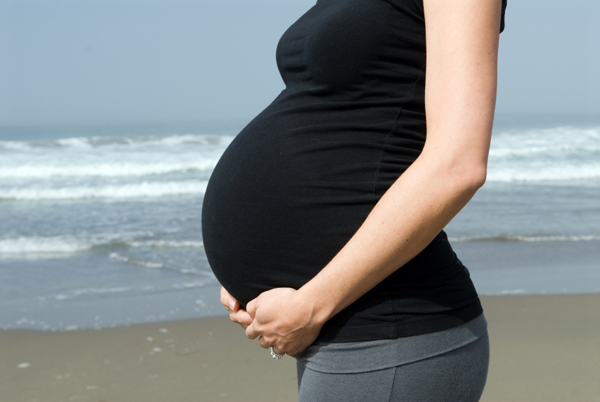
The United Nations Population Fund (UNFPA) says fear, poor information and stigma related to COVID-19 pandemic has denied some pregnant women access to obstetric care in Kaduna State.
Ms Mariana Darboe, UNFPA Programme Coordinator and Head of Office, UNFPA Decentralised Officer Northern Nigeria, made these assertions on Wednesday in Zaria.
Darboe spoke at an event to commemorate the 2021 International Day to End Fistula.
According to her, COVID-19 has taken a huge global toll on maternal and newborn health.
Darboe said women and girls in many countries, including Nigeria, do not benefit from a universal human right to safe healthcare and basic social protections.
She said that it was one of the purest forms of a disease of poverty.
Darboe explained that the crisis was compounding the economic, social and logistical barriers facing women and girls in accessing sexual and reproductive healthcare services, even, where services were available and accessible.
She said that the absence of timely medical treatment had led to a dramatic increase in obstetric fistula, a serious childbirth injury resulting from prolonged, obstructed labour,
The programme coordinator added that poor women and girls in rural areas were especially at risk.
According to her, the disproportionate incidence of this devastating and sometimes life-threatening condition among the poor reflects the socioeconomic inequities and unequal right to health, including sexual and reproductive health.
“Even, in the best of times, the poor and vulnerable are more likely to lack access to skilled health personnel with child marriage and early childbearing remained among other contributing factors.
“While fistula has been virtually eliminated in developed nations, hundreds of thousands of women and girls in the developing world still live with this debilitating condition.”
She said that as the leader of the global campaign to end fistula, UNFPA provided funding and support for fistula prevention, treatment and social reintegration programmes.
“Therefore, response to COVID-19 pandemic must ensure the delivery of essential sexual and reproductive health services, including midwifery services and emergency obstetric care.
“We need universal access to high-quality, ethical and sustainable care for all women and girls in ensuring their human rights and addressing the social determinants of health,” she added.
Darboe said that ending fistula was at the heart of UNFPA’s mandate – gender inequality, child marriage, maternal mortality, adolescent pregnancy prevention, girls’ empowerment, which were all interlinked with fistula.
“It is important to understand that we are not only addressing health needs, but also their consequences, such as isolation from family and friends and marginalisation and exclusion from communities.
“This forces us to improve basic maternal and newborn care, safe surgery, women’s and girls’ empowerment, and the economic standing of the poorest of the poor,” she said.


-
 Latest1 week ago
Israel marks 3 years since October 7 Hamas attack amid Gaza strikes, election debate
-

 Energy7 days ago
Fuel Battle: Dangote, marketers and government clash over petrol imports
-

 Latest2 days ago
Full List: Meet the 2026 Nobel Prize winners across six categories
-

 Football1 week ago
Nigeria’s World Cup exit under spotlight as FIFA’s DR Congo files emerge
-

 Latest1 week ago
US Court set to rule on release of FBI, DEA records on Tinubu
-

 Business1 week ago
Nigerian investors at a crossroads as fixed-income yields slide
-
 Featured6 days ago
103 Million Voters: What does INEC’s new register say about Nigeria’s population?
-

 Latest1 week ago
Oyo APC crisis deepens as Oluyole reconciliation meeting ends in brawl