
Business
FG exempts VAT on diesel, cooking gas to boost Oil & Gas investments

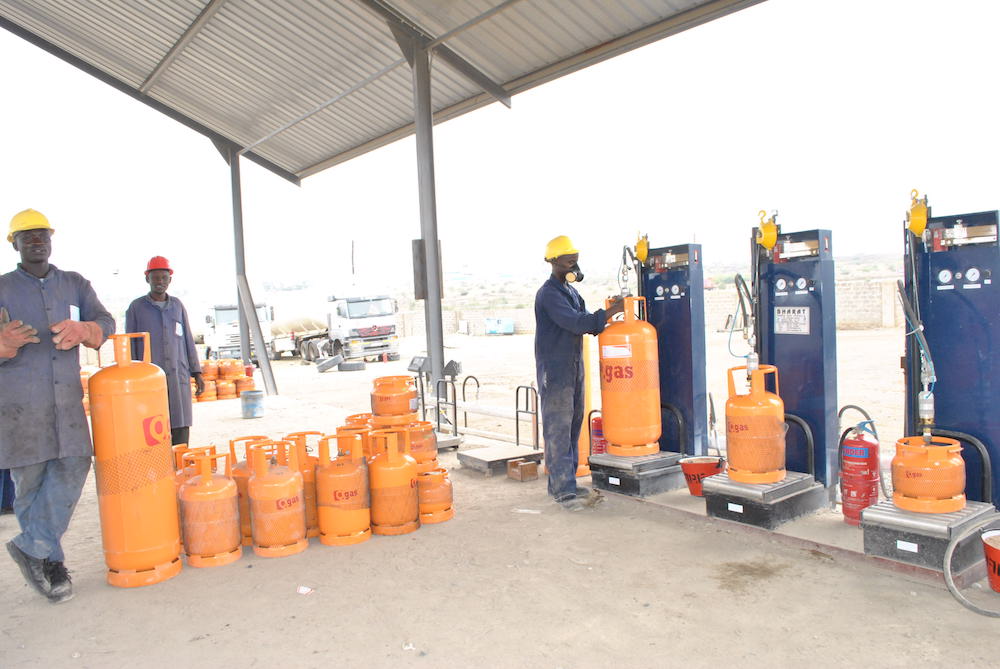
The Federal Government of Nigeria has announced new value-added tax (VAT) exemptions on diesel and cooking gas, part of a broader fiscal initiative aimed at revitalizing the country’s oil and gas sector and attracting foreign investments.
The incentives were unveiled by the Minister of Finance and Coordinating Minister of the Economy, Wale Edun, in a statement on Wednesday, which emphasized the government’s focus on boosting energy security and supporting Nigeria’s transition to cleaner energy sources.
According to the Ministry of Finance, which was represented by Director of Information and Public Relations, Mohammed Manga, the new fiscal measures include exemptions from VAT on critical energy products and infrastructure.
These include diesel, feed gas, Liquefied Petroleum Gas (LPG), Compressed Natural Gas (CNG), electric vehicles, Liquefied Natural Gas (LNG) infrastructure, and clean cooking equipment.
READ ALSO: Reps order GTB to remit VAT on Remita commissions from 2015-2022
The VAT exemptions are part of the Value Added Tax Modification Order 2024 and are designed to lower the cost of energy, enhance Nigeria’s competitiveness in the global oil and gas market, and stimulate investment in sustainable energy solutions.
Manga explained that these exemptions aim to position Nigeria’s deep offshore basin as a premier destination for global oil and gas investments, while also making the country more attractive for clean energy initiatives.
“These measures will help lower the cost of living, bolster energy security, and accelerate Nigeria’s transition to cleaner energy sources,” Manga said in the statement.
In addition to the VAT exemptions, the Federal Government also introduced tax reliefs for deep offshore oil and gas projects under the Notice of Tax Incentives for Deep Offshore Oil & Gas Production. These reliefs are intended to attract more investment into Nigeria’s deep offshore basin, a critical region for the country’s oil production, and help secure the nation’s energy future.
READ ALSO: Gas explosion at Journalist’s home injures two, newborn in coma
The timing of this announcement aligns with President Bola Tinubu’s economic reform agenda, particularly as the government prepares to approve major divestment plans from ExxonMobil and Seplat, further signaling its commitment to driving investments in the sector.
Energy market analysts view these VAT exemptions and tax incentives as crucial steps in addressing Nigeria’s energy security challenges and restoring the country’s competitive edge in the global oil and gas market.
According to oil and gas analyst Emeka Onuoha, “The removal of VAT on key energy products like diesel and LPG is a positive development for both the industry and consumers. It will reduce operational costs for companies while offering some relief to consumers affected by rising energy costs.”
Another expert, Sarah Johnson, from Wood Mackenzie, noted, “By targeting both traditional and clean energy infrastructure, these fiscal measures show a balanced approach that could see Nigeria not only boost its oil production but also lead the way in renewable energy development across Africa. This is a step in the right direction, particularly in the context of global efforts to transition toward greener energy sources.”


-

 Featured3 days ago
BREAKING NEWS: Shouts of joy rock the world as Pastor Chris opens final Healing Streams edition for 2026
-

 Football4 days ago
Man United shortlist Emery, Nagelsmann as potential replacements for Carrick
-

 Business3 days ago
Hoodlums raid JED Benue office, abduct 10 staff over power dispute
-
 Business7 days ago
Naira faces exchange rate gap as Dollar hits N1,380 on parallel market
-

 Football4 days ago
Aston Villa ready to freeze out Garnacho to avoid £43m Chelsea transfer
-

 Business4 days ago
EV adoption: Roxettes seeks cheaper financing, local manufacturing incentives
-

 Latest3 days ago
Akpabio tasks Tompolo-backed movement with spreading Tinubu’s renewed hope message
-

 Business2 days ago
How Ethiopian Airlines is challenging Africa’s aviation narrative through self-reliance