
Business
Food inflation surges in January amidst Naira scarcity crisis

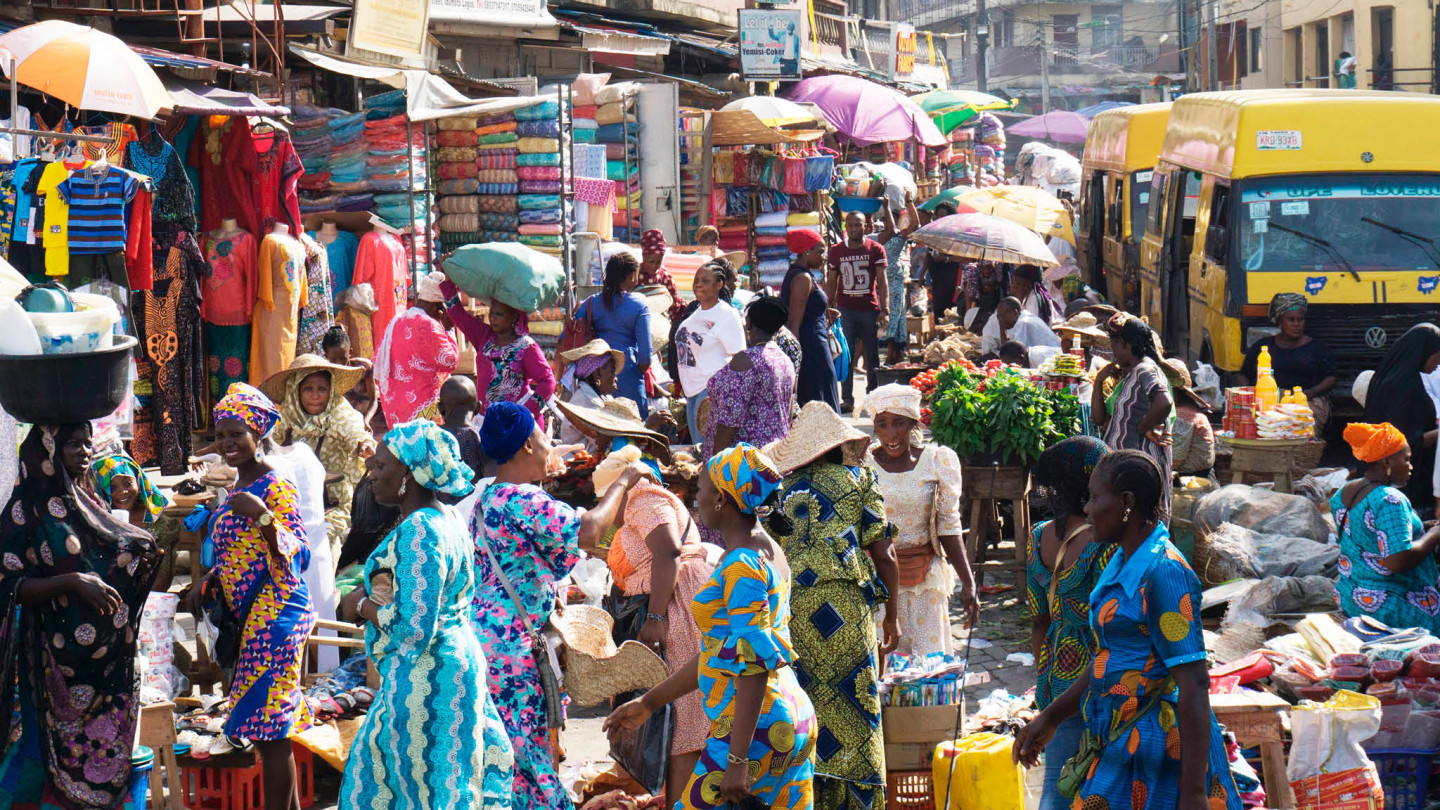
Nigeria’s inflation rose in January, hitting a record high of 21.82 per cent, representing a 0.47 per cent increase when compared to the 21.34 per cent recorded in December.
In a report released by the National Bureau of Statistics (NBS), food inflation surged to 24.32 per cent in January from 23.75 per cent recorded in December, while core inflation, which excludes the prices of volatile agricultural produce stood at 19.16 per cent in the review month compared to 18.49 per cent.
Urban inflation stood at 22.55 per cent, showing a 6.38 per cent increase year-on-year from January 2022. On a month-on-month basis, the urban inflation rate was 1.98 per cent in January 2023, this was 0.17 per cent points higher compared to December 2022 (1.80%).
Rural inflation, on the other hand, was 21.13 per cent, a 6.08 per cent increase/decrease from the corresponding period in 2022. On a month-on-month basis, the rural inflation rate was 1.77 per cent, up by 0.14 per cent points compared to December 2022 (1.63%).
READ ALSO: Just in: Nigeria’s inflation rate eases in December
According to the NBS report, the increase in food inflation was mostly driven by the increase in the prices of Potatoes, Yam, and Tuber (6.06%), Vegetables (5.44%), and Meat (4.78%) amongst other products such as Fish, Fruits, Breads and Cereals.
Over twelve months ending January 2023, the average annual food inflation rate was 21.53 per cent, higher than the previous twelve-month average of 20.94 per cent.
Core inflation, an index which monitors the price movement of all items except farm produce, stood at 19.16 per cent.
Year-on-year CPI inflation was found to be highest in Bauchi (24.7%), Ondo (24.54%), and Anambra (24.51%), while Jigawa (19.09%), Borno (19.62%), and Sokoto (19.90%) saw the lowest inflation rates across the country.
On a month-to-month basis, Lagos (2.91%), Taraba (2.84%), and Ondo (2.68%) saw the highest rates of increase in headline inflation while Yobe (0.54%), Jigawa (0.73%), and Oyo (0.87%) recorded the lowest.
With respect to food inflation, Kwara (29.03%), (27.67%), and Ondo (27.38%), recorded the highest rates of increase year-on-year, while Jigawa (19.22%), Sokoto (20.80%), and Yobe (21.32%) saw the lowest rates.
On a month-to-month basis, food inflation was highest in Lagos (3.67%), Ogun (3.54%), and Ekiti (3.32%) in January 2023, while Yobe (-0.50%), Jigawa (0.18%), and Kebbi (0.92%) increased at the lowest rates.


-

 Featured6 days ago
Inside INEC’s race to prepare for Nigeria’s 2027 elections
-

 Latest1 week ago
Global excitement builds as Healing Streams Live Services returns October 23
-

 Featured6 days ago
2027: APC unveils nationwide campaign timetable, Tinubu to rally in 12 states
-

 Business1 week ago
President Tinubu and the Low Transport Fares Fiasco
-
 Business3 days ago
Naira faces exchange rate gap as Dollar hits N1,380 on parallel market
-
 Business6 days ago
Court dismisses ₦170m Trade Fair contract claim, says Zenith Bank was not a party
-
 Latest6 days ago
Breaking: NNPCL raises petrol price to ₦1,405 per litre amid discount controversy
-
 Business1 week ago
Rite Foods targets beverage market growth with LIDA Malt