
Latest
Fuel, levies and traffic: How rising costs are squeezing Lagos keke operators

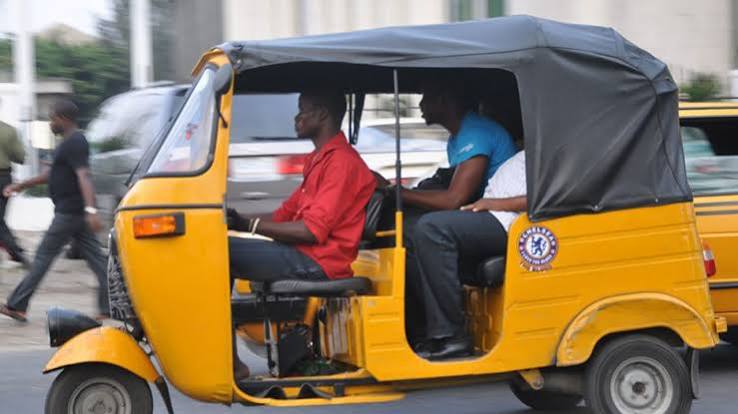
Before sunrise each day, 34-year-old Emmanuel Adebayo prepares his commercial tricycle, popularly known as a Keke NAPEP, for another long day on the roads of Lagos. By 5:30 a.m., he is already on the busy Ikeja–Oba Akran corridor, hoping to beat the morning rush and earn enough to support his family.
Like thousands of commercial tricycle operators across Lagos, Adebayo depends on transporting commuters through inner roads and residential areas that are inaccessible to larger buses. But despite the steady demand for his services, he says making a reasonable profit has become increasingly difficult as fuel prices, union levies and vehicle maintenance costs continue to rise.
A typical workday lasts about 12 hours, during which Adebayo ferries passengers between residential communities, markets and business districts. On a good day, he earns between ₦15,000 and ₦22,000 in fares. However, much of that income is spent before he takes anything home.
Fuel remains his biggest daily expense. With petrol selling for over ₦1,100 per litre in many parts of Lagos, he spends between ₦4,500 and ₦6,000 to keep the tricycle running throughout the day. In addition, he pays daily transport union and route levies that can total between ₦1,500 and ₦2,500.
Drivers operating under hire-purchase agreements face an even greater burden. Adebayo, who is still paying for his tricycle, makes daily repayments of between ₦3,500 and ₦5,000 to the vehicle owner. He also sets aside money for routine maintenance, including engine oil, tyre repairs and servicing.
By the end of the day, the numbers leave little room for profit.
“If I make about ₦18,000 in a day, after buying fuel, paying union tickets, settling the vehicle owner and keeping money for maintenance, I may go home with between ₦5,000 and ₦7,000,” Adebayo said. “When traffic is heavy, it rains or the keke develops a fault, I can barely make any profit.”
For operators who own their tricycles outright, earnings are relatively better because they do not make daily loan repayments. However, many commercial drivers in Lagos rely on hire-purchase arrangements, making their incomes highly vulnerable to rising operating costs.
Transport experts say the demand for commercial tricycles is unlikely to decline anytime soon, particularly in densely populated neighbourhoods where buses cannot easily operate. However, they warn that increasing operating expenses are putting pressure on operators, many of whom are forced to choose between raising fares and risking a loss of passengers.
Some drivers have begun exploring additional sources of income, including advertising on their vehicles and using digital navigation tools to identify more profitable routes and reduce idle time.
Analysts also note that improving road infrastructure, reducing traffic congestion and streamlining multiple transport levies could help improve profitability for operators while keeping fares affordable for commuters.
For Adebayo, every day on the road is a delicate balancing act between rising expenses and modest earnings.
“It is no longer about making big money,” he said. “The goal now is to make enough to cover expenses, feed my family and return the next morning to do it all over again.”


-

 Featured1 week ago
Inside INEC’s race to prepare for Nigeria’s 2027 elections
-

 Featured1 week ago
2027: APC unveils nationwide campaign timetable, Tinubu to rally in 12 states
-

 Business5 days ago
Naira faces exchange rate gap as Dollar hits N1,380 on parallel market
-
 Business1 week ago
Court dismisses ₦170m Trade Fair contract claim, says Zenith Bank was not a party
-
 Latest1 week ago
Breaking: NNPCL raises petrol price to ₦1,405 per litre amid discount controversy
-

 Featured1 week ago
From kitchen to Supreme Court: Nigerian’s fight over alleged support for terrorists
-

 Football1 week ago
Maresca reveals Guardiola’s reaction to Man City’s 4-2 defeat to PSG
-

 Business7 days ago
NCC launches Internet Governance Working Group to tackle AI risks, boost online safety