
Covid-19
German GDP slumps as pandemic takes toll on Europe’s biggest economy

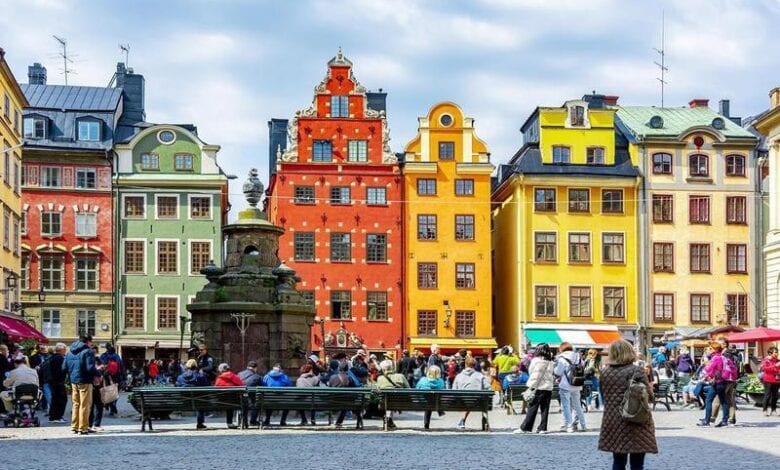
The German economy contracted in the first quarter after the country launched a new round of tough lockdown measures aimed at containing a third wave of the pandemic.
Europe’s biggest economy shrank by 1.7 per cent in the first three months of the year compared with an upwardly revised 0.5-per-cent growth rate in the final quarter of last year, the Federal Statistical Office (Destatis) said on Friday.
The slump was marginally more than forecast.
Analysts had expected a first-quarter contraction in the gross domestic product (GDP) of 1.5 per cent compared to a previously estimated 0.3-per-cent rise in the fourth quarter of last year.
The first-quarter GDP slumped by 3.3 per cent from a year earlier when the coronavirus crisis first took hold of the global economy.
Germany has struggled to drive forward its often-shambolic vaccination campaign in the face of rising new infection numbers, resulting from the emergence of the new more contagious British variant of the virus.
Releasing Friday’s data, Destatis pointed to the key role played by the manufacturing sector and exports in helping the economy to limp through the crisis and the drag placed on GDP by private consumption, which has been badly hit by the pandemic.
“The coronavirus crisis caused another decline in economic performance at the beginning of 2021,’’ the Wiesbaden-based statistics office said.
“This affected household consumption in particular, while exports of goods supported the economy.’’
Helping to underpin the manufacturing sector has been the strong export demand from other leading economies such as the United States and China, which have undergone a faster rebound from the crisis than Germany and other parts of the 19-member Eurozone.
Economists see the strength of the industrial sector as helping to lay the foundations for a strong pick-up in the economy during the second half of the year as more people are vaccinated and restrictions are eased.
The German government, this week, raised its GDP growth forecast for 2021 from a previously estimated three per cent to 3.5 per cent.
However, the risk now is that the economic fallout from the crisis could now overshadow the build-up to national elections set for September.
Most analysts are not expecting a return to normal economic life in the nation until next year.
Friday’s data also highlighted the economic fallout for the country after the more than year-long pandemic with first-quarter German GDP of 4.9-per-cent lower compared with the final quarter of 2019.
The number of people in employment is also markedly below the pre-crisis level, according to data released by Destatis on Thursday.
The number of people in employment in March 2021 was down by a seasonally adjusted 1.7 per cent or 747,000 in February 2020, the month before the first coronavirus restrictions were imposed in Germany.


-

 Latest7 days ago
US Immigration fees rise from October 16 as USCIS announces new charges
-
 Latest2 days ago
Israel marks 3 years since October 7 Hamas attack amid Gaza strikes, election debate
-

 Business6 days ago
Nigeria’s $55bn reserves raise fresh questions over naira value
-

 Health6 days ago
Florida sues Pfizer over deceptive COVID-19 vaccine marketing
-

 Business1 week ago
Tuoyo Erikowa wins digital marketing personality of the Year at 2026 EDGE awards
-

 Crime6 days ago
From camp to captivity: How kidnappers now target NYSC Corps members on highways
-

 Featured7 days ago
2027: Can Nigeria’s opposition still unite behind a single presidential candidate?
-

 Crime6 days ago
Fulani Militia leader linked to Christian killings arrested in Plateau