
Latest
Group hails Mexico over ban on GMO corn, glyphosate weed killer

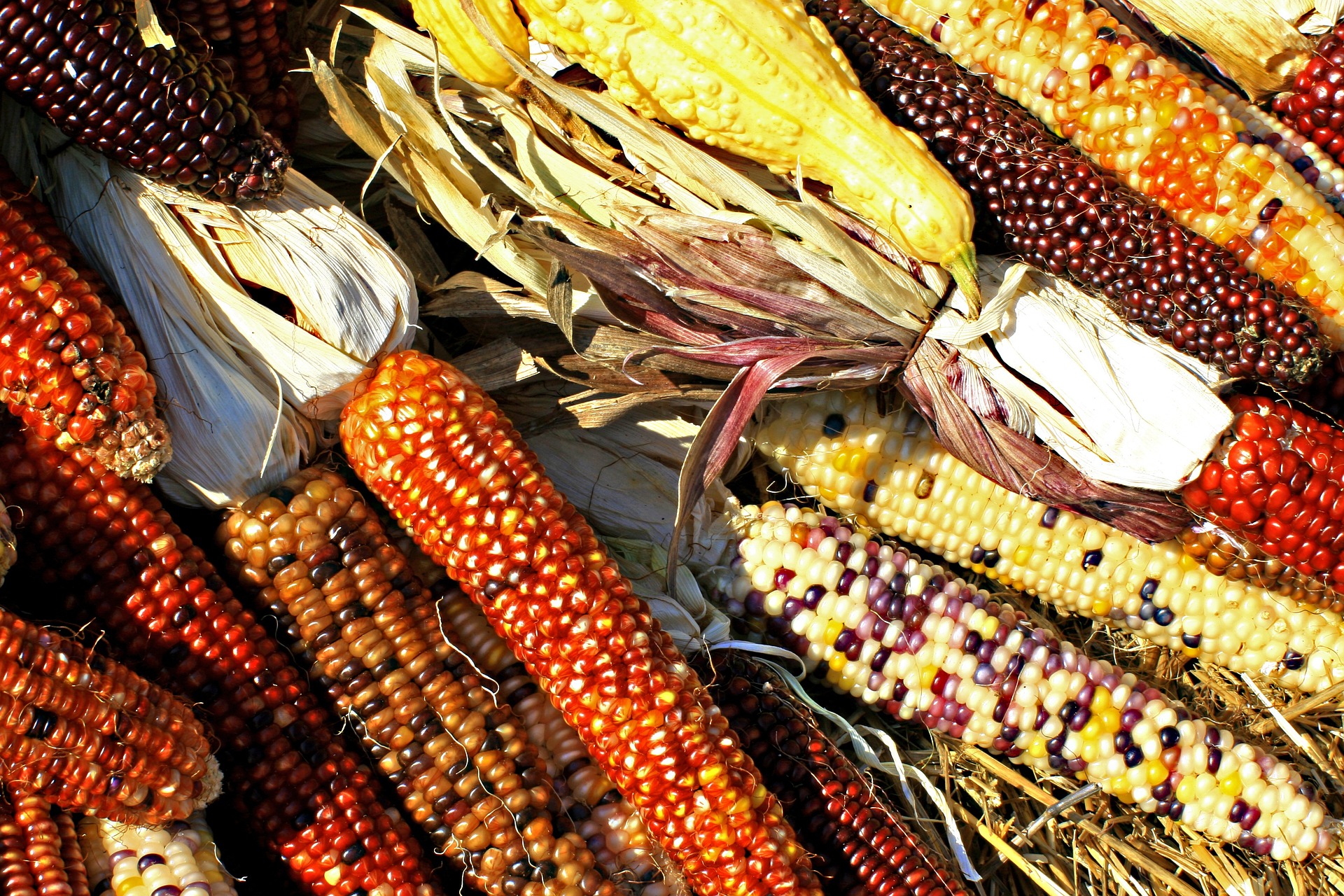
Organic food producers and environmental, health and social justice advocates have hailed President Andres Manuel Lopez Obrador decree ordering the phase- out of genetically modified corn and glyphosate – best known as the active ingredient in Monsanto’s “Roundup” pesticides in Mexico.
The move makes good on promises by President Lopez Obrador, popularly known by his initials AMLO, to preserve native corn varieties from the threat of GMO corn.
The government of Mexico has taken numerous steps in recent months to safeguard the over 60 types of corn developed with traditional and indigenous agricultural methods that are, by law, considered a part of Mexico’s national food and cultural heritage.
Indigenous peoples in the Mesoamerican region cultivated the first strains of corn thousands of years ago, but multinational corporations have been flooding the Mexican market with varieties of corn that have been genetically modified to resist certain types of infestations and adverse climate conditions such as drought.
READ ALSO: GMO FOODS: IMPLICATIONS TO NATIONAL FOOD SOVEREIGNTY AND STRATEGIC NATIONAL SECURITY
The government also ordered the phase-out of GMO corn imports for use in the food industry and decreed the elimination of the chemical glyphosate – the active ingredient in Bayer-Monsanto’s weedkiller, Roundup.
While a total ban on glyphosate isn’t yet possible in Mexico – especially amid major pushback from Big Ag lobbyists – federal agencies must immediately halt “purchasing, using, distributing, promoting and importing glyphosate or agrochemicals that contain it as an active ingredient,” according to the decree.
Instead, they must use “culturally appropriate” alternatives such as low-toxicity agrochemicals and organic products.
“It’s a great victory,” said Homero Blas, the director of the Mexican Society of Organic Producers. His group, like many other civil society organizations, blames GMO crops for contaminating the native, ancient varieties of corn while saying that the widespread use of dangerous pesticides endangers the health of both producers and consumers while undermining biodiversity.
READ ALSO: GMO crops will render Africa farmers more reliant on multinational corporations
However, GMO advocates such as the National Agricultural Council (CAN) claim that the prohibition of GMO corn cultivation will harm farmers while curbing imports will harm the Mexican food chain.
“The lack of access to production options puts us at a disadvantage compared to our competitors, such as corn farmers in the United States,” said CNA spokeswoman Laura Tamayo, who is also the regional director for the German multinational Bayer AG, the parent company to agro-chemical subsidiary Monsanto.
Glyphosate has been at the center of safety concerns in numerous countries and has also been the focus of massive lawsuits in the U.S. in recent years over the allegedly carcinogenic effects of the herbicide Roundup, which Monsanto introduced in 1974.
In July, Bayer agreed to pay as much as $10.9 billion to settle nearly 100,000 lawsuits in the U.S. claiming that the chemical causes a type of blood cancer.


-

 Featured5 days ago
Nigeria’s youth unemployment paradox: Graduates struggle as millions survive in informal jobs
-

 Business5 days ago
Nigerian Banks earn N521.8bn from E-banking, card fees in nine months
-

 Energy5 days ago
Nigeria’s power crisis deepens as ₦639bn unpaid gas debt threatens electricity supply
-

 Latest5 days ago
Dalung claims ‘message from Buhari’s grave’ urges Nigerians to vote Atiku in 2027
-

 Latest1 week ago
2027 elections: Former INEC commissioner warns against ‘Rig and Die’ slogan, says violence undemocratic
-
 Featured4 days ago
Tinubu’s Renewed Hope: Reforms, hardship and the unanswered question of a second term
-

 Business1 week ago
GTCO fashion weekend: As fashion evolves, Nigerian men are rewriting the rules of style
-

 Featured4 days ago
The cost of Renewed Hope: How Nigeria’s economic reforms are reshaping everyday family life