
Latest
How bills recycling, slow progression characterised 10th national assembly

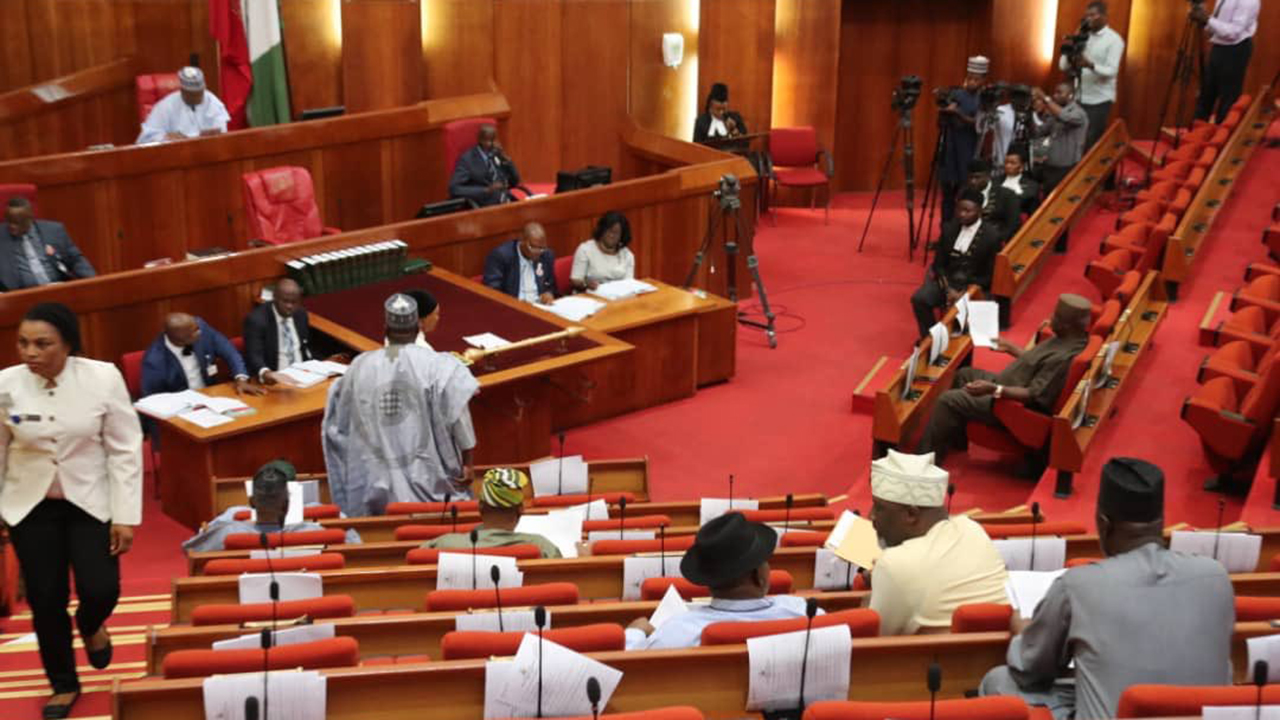
Nigeria’s foremost parliamentary monitoring organisation and public policy think-tank, OrderPaper, says slow progression and recycling of bills has defined the first year of the 10th National Assembly.
Mr Oke Epia, Executive Director, OrderPaper, said this in a statement in Abuja while releasing its performance report card.
Ekpia said that the first year of the 10th National Assembly had witnessed a surge but slow pace of progression of sponsored bills,
He added that a significant number of such bills were proposals recycled from the preceding 9th assembly.
He said that an analysis of the bills processed in the first year of the 10th National Assembly revealed a significant gap between sponsorship and progression of legislative drafts.
He said that data revealed that over half of the bills sponsored in the Senate between June 2023 and May 2024, were recycled from previous assemblies especially the immediate past 9th assembly.
“In a similar discovery, nearly one-third of the bills processed in the House of Representatives within the same period were resurrected from the past.
“This trend raises grave concerns about possible legislative “copy-pasting” and further swirls speculations of merchandising of bills in the federal legislature.
“From June 2023 to May 2024, the Senate introduced a staggering 475 bills out of which only 19 have been passed while 416 remain stuck awaiting second reading.
ALSO READ: How Nigeria ranks third largest debtor to World Bank’s IDA
” In like manner, out of 1,175 bills introduced in the House of Reps within the same period, only 58 have been passed while 967 bills are awaiting second reading,” he said.
He further said that 15 senators, and 149 members of the house, which is 12.6 per cent of the total membership, did not sponsor any bill in the period under review.
He said that 62 per cent of members of the House of Representatives with no bills to their names, were first-time lawmakers.
He added that the report highlighted a troubling lack of focus on critical issues of national importance.
“Bills related to agriculture and food security make up only 5.8 per cent of the total House bills and 7.3 per cent of Senate bills.
“Security-related bills account for 7.2 per cent of House bills and 5.4 per cent of Senate bills. This is in spite of the significant challenges faced by citizens in these sectors in recent years.
“Bills addressing these issues remain few, with many not even progressing past the first reading,” he said.


-

 Featured1 week ago
Inside INEC’s race to prepare for Nigeria’s 2027 elections
-
 Featured1 week ago
2027: APC unveils nationwide campaign timetable, Tinubu to rally in 12 states
-

 Business5 days ago
Naira faces exchange rate gap as Dollar hits N1,380 on parallel market
-

 Business1 week ago
Court dismisses ₦170m Trade Fair contract claim, says Zenith Bank was not a party
-

 Latest1 week ago
Breaking: NNPCL raises petrol price to ₦1,405 per litre amid discount controversy
-

 Featured1 week ago
From kitchen to Supreme Court: Nigerian’s fight over alleged support for terrorists
-

 Football1 week ago
Maresca reveals Guardiola’s reaction to Man City’s 4-2 defeat to PSG
-

 Business7 days ago
NCC launches Internet Governance Working Group to tackle AI risks, boost online safety