Connect with us

Crime

How fake job offers lured Nigerian women into sex trafficking in Côte d’Ivoire 

Published

on

How fake job offers lured Nigerian women into sex trafficking in Côte d’Ivoire 
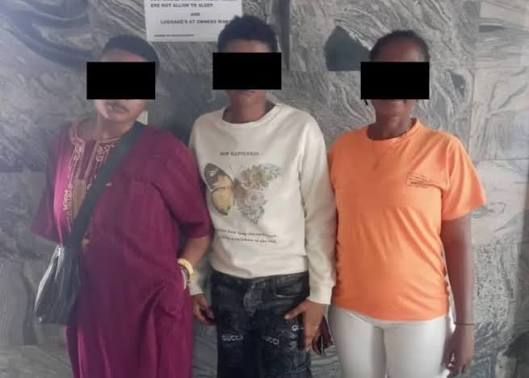
Young Nigerian women rescued from human trafficking networks in Côte d’Ivoire have recounted how promises of well-paying jobs abroad turned into months of captivity, debt bondage and forced prostitution, exposing the operations of transnational trafficking syndicates across West Africa.

The survivors spoke after being rescued through coordinated operations by the National Agency for the Prohibition of Trafficking in Persons (NAPTIP), in collaboration with law enforcement agencies and regional partners.

According to the victims, the traffickers used fake job advertisements on social media and referrals from trusted acquaintances to lure them with offers of employment in retail stores, hotels, beauty salons and hairdressing businesses in Côte d’Ivoire. They were promised attractive salaries and free travel arrangements, only to discover upon arrival that the jobs did not exist.

The victims said that after reaching Abidjan and other cities, traffickers confiscated their passports, mobile phones and other personal belongings before moving them into guarded apartments and brothels where they were allegedly forced into commercial sex work.

Several survivors told anti-trafficking officials that syndicate leaders imposed fabricated travel debts of up to 2.2 million CFA francs, equivalent to about $3,600, which they were forced to repay through prostitution. They alleged that refusal to comply was met with physical abuse, intimidation and threats against their families in Nigeria.

One of the rescued women described her experience as traumatic, saying she “saw hell in Abidjan” and was deceived into travelling abroad with promises of a better life.

According to NAPTIP, traffickers relied on emotional manipulation, isolation and fear to prevent victims from escaping or contacting authorities. The agency said many of the women were subjected to psychological abuse and compelled to swear oaths of secrecy.

The rescue operation followed months of intelligence gathering involving Nigerian authorities, regional security agencies and diplomatic missions. NAPTIP said investigations led to raids on properties linked to suspected trafficking kingpins in Abuja and other locations, resulting in the arrest of several suspected organisers of the cross-border trafficking network.

The rescued women have since been repatriated to Nigeria, where they are receiving medical care, trauma counselling and rehabilitation support under NAPTIP’s victim assistance programme.

NAPTIP Director-General Binta Adamu Bello urged Nigerians, particularly young people seeking employment abroad, to verify overseas job offers through official government channels before travelling. She warned that many traffickers disguise themselves as legitimate recruiters or benefactors while operating organised criminal networks.

The agency reaffirmed its commitment to working with local and international partners to dismantle human trafficking syndicates and prosecute those responsible for exploiting vulnerable Nigerians. It also called on members of the public to report suspicious recruitment activities to law enforcement authorities as efforts continue to combat human trafficking across West Africa.

Continue Reading
Advertisement
Click to comment

Leave a Reply

Your email address will not be published.

Trending