
Business
How Naira exchange rate crisis is affecting Nigeria’s stock market

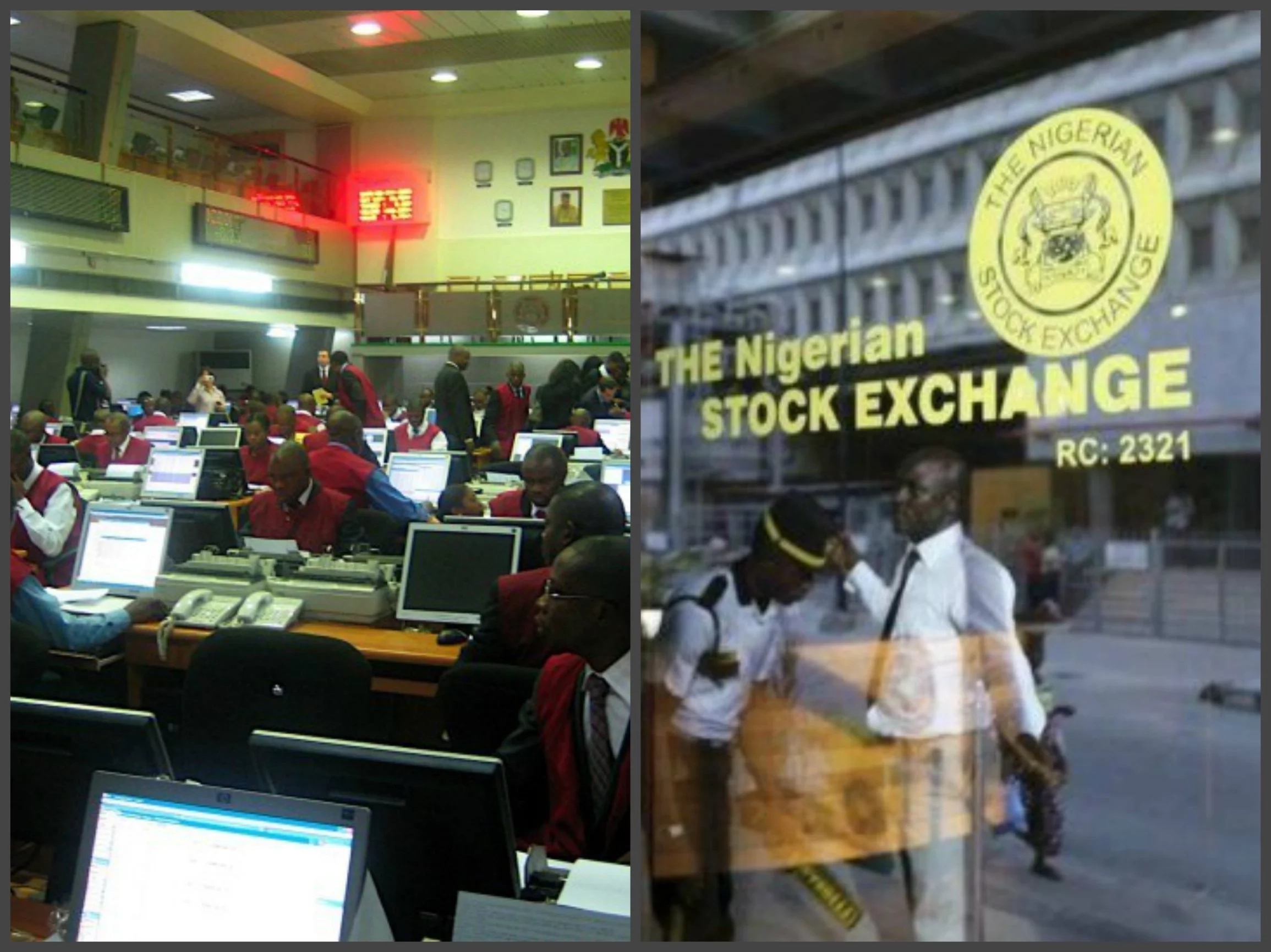
The exchange rate conundrum is now negatively affecting Nigeria’s stock market, crashing foreign investors’ participation in the stock market to just 16.8% when compared to domestic participation.
Although the naira’s official depreciation against the dollar this year is 4%, many international portfolio managers looking to repatriate funds from the country are unable to access that rate due to a scarcity of hard cash.
On Tuesday, the exchange rate between the naira and the dollar fluctuated between N444 and N446 to the dollar at the official market. However, the rate on the parallel market was N745 to the dollar.
The parallel market, where the dollar is freely exchanged but at a premium of 80% to the official spot rate, is where many firms and investors buy dollars.
Foreign portfolio investors’ participation in the Nigerian domestic stock market has decreased solely because of the country’s volatile foreign exchange market, which is mostly the result of subpar exchange rate management and declining foreign reserves.
However, Nigeria’s Foreign Portfolio Investments, or FPIs, increased by 11.8% to N321.04 billion in the third quarter of 2022, or Q3’22, from N287.2 billion in the same period of 2021, or Q3’21.
In the meantime, domestic investors’ strong appetite has continued to outperform international investors in the Nigerian stock market. Total domestic transactions made up 77% of all transactions made in 2021, while overseas transactions made up 23% of all transactions made during that time.
READ ALSO: Investors lose N62bn as stock market closes on red
According to the YTD transaction data for 2022, there were N1.729 trillion in total domestic transactions and N349.59 billion in total foreign transactions.
In terms of total transactions, foreign investments are about N349 billion compared to N792 billion and N1 trillion in 2019 and 2018 respectively, when Nigeria was not facing a forex crisis.
This has been made worse by the drop in export revenues, which is mostly attributable to the decline in crude export revenue despite an uptick in remittances from the diaspora and non-oil export receipts.
The central bank’s capital controls are a major disincentive for foreign investors who will like to easily repatriate their investments without any limitations. Since central bank policies limit forex outflows, it makes no sense for them to keep investing in Nigeria.
In addition, the hike in interest rates, especially in Western markets, has also forced most investors to move their funds back to the United States where rates have increased.
Also, to add that Nigeria’s inflation rate figure of around 21% is also a major disincentive for any foreign investor looking for decent returns.
Despite these challenges, the equities market seems to be holding up without them with the All Share Index posting two years of consecutive positive returns of 50% and 6.07% in 2020 and 2021 respectively.
The All Share Index is currently up 11% YTD in November and is likely to close positively this year.


-

 Latest5 days ago
Full List: Meet the 2026 Nobel Prize winners across six categories
-

 Football5 days ago
Premier League Matchweek 7: Five Fixtures That Could Shape the Weekend
-

 Latest4 days ago
Umahi defends Lagos-Calabar highway route changes amid public outcry
-

 Business4 days ago
Dangote Refinery IPO: 70% Subscription claim meets fourfold demand assertion as investors seek clarity
-
Business4 days ago
Dangote Refinery IPO Extension: Was the 70% subscription report overhyped?
-

 Latest3 days ago
UCTH faces morgue crisis as 50 unclaimed corpses await mass burial
-

 Featured4 days ago
El-Rufai, ADC governorship candidate’s court appearance puts Kaduna opposition politics in focus
-

 Business2 days ago
BREAKING: Nigeria’s Inflation Rate Drops to 14.63% in September