
Latest
Israel targets Iranian military sites in retaliatory strikes

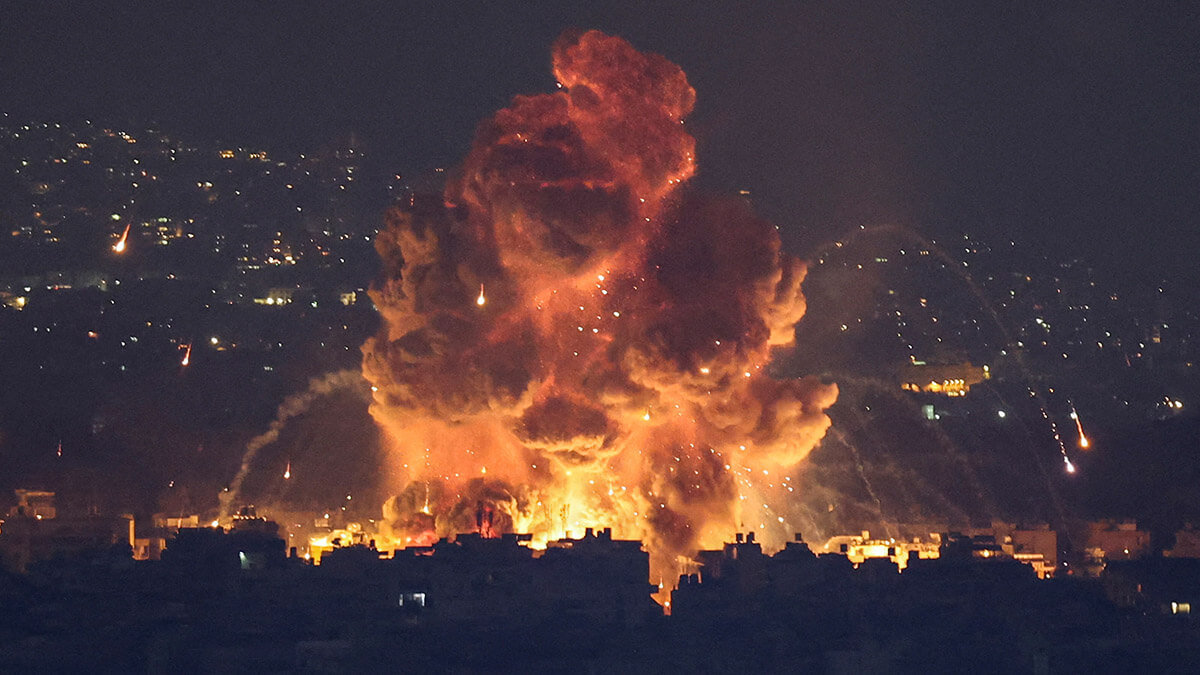
In a dramatic escalation of ongoing tensions, Israel launched airstrikes early Saturday targeting military installations in Iran, marking one of the most direct confrontations between the two powerful militaries in recent years.
The strikes, reportedly targeting Iranian missile production facilities and surface-to-air defense systems, were a response to Iran’s recent large-scale missile attack on Israel, which had forced citizens across Israel into bomb shelters.
The Israeli military confirmed its forces conducted “precise strikes on military targets,” avoiding critical energy infrastructure, including oil fields and nuclear sites, potentially signaling a measured response aimed at limiting regional escalation.
Iran’s Foreign Ministry quickly condemned the attack, labeling it a “clear violation of international law” and asserting its right to defend itself.
READ ALSO: Israel strikes Syria as US targets Houthi rebels in Yemen amid regional tensions
Yet, Iranian officials downplayed the damage, claiming that Iranian air defenses successfully intercepted many projectiles over three provinces, including Tehran.
Despite this, two Iranian soldiers were reported killed in the attacks, though the exact locations of their deaths remain unconfirmed.
The strikes unfolded in three waves over several hours. Iranian state media showed images of calm in Tehran while explosions could be heard in various areas west of the capital.
Social media posts from residents captured the tracer fire and explosions lighting up the early morning sky. Israel’s military later stated the operation was concluded, with jets safely returning to base.
The United States responded cautiously, with senior officials framing the strikes as an exercise in self-defense.
President Biden reportedly encouraged Israeli Prime Minister Benjamin Netanyahu to design a retaliatory strategy that would deter further attacks while avoiding broader regional impacts.
The U.S., along with Gulf allies like the United Arab Emirates, Bahrain, and Qatar, urged Israel to avoid striking Iran’s oil and nuclear assets due to potential economic and environmental repercussions across the region.
Israel’s decision to strike followed weeks of deliberation on an appropriate response to Iran’s October 1 attack, during which Iran launched 200 missiles at Israel following the assassination of Hezbollah leader Hassan Nasrallah.
This escalation has led to widespread fear of a larger-scale regional war involving proxy forces and potentially the U.S., Israel’s primary ally.
READ ALSO: Iran scrambles for diplomatic support as Israel weighs response to missile attack
The broader conflict has also had catastrophic humanitarian repercussions. The ongoing Israeli operations against Hamas in Gaza have killed tens of thousands and sparked warnings from UN officials of an emerging crisis as Gaza’s northern regions endure severe bombing, blockade, and shortages of food and water.
With Israel holding Iran responsible for supporting its regional adversaries, including Hezbollah, Hamas, and the Houthis, the potential for further escalation remains high. Rear Adm.
Daniel Hagari, Israel’s top military spokesperson, warned that any further Iranian response would be met with countermeasures from Israel.
As both sides assess next steps, the world watches with mounting concern that a new, broader Middle Eastern conflict may be imminent, one that risks pulling the U.S. and its allies deeper into the fray.


-
 Latest5 days ago
Israel marks 3 years since October 7 Hamas attack amid Gaza strikes, election debate
-

 Energy5 days ago
Fuel Battle: Dangote, marketers and government clash over petrol imports
-

 Energy6 days ago
Petrol, diesel prices rise 86% in 2026 as costs hit fresh highs
-
 Energy7 days ago
Has Iran lost control of the Strait of Hormuz? Oil flows rebound as war disruptions persist
-

 Football6 days ago
Nigeria’s World Cup exit under spotlight as FIFA’s DR Congo files emerge
-

 Latest6 days ago
US Court set to rule on release of FBI, DEA records on Tinubu
-

 Business6 days ago
Nigerian investors at a crossroads as fixed-income yields slide
-

 Business7 days ago
LoveWorld Trade and Investment Forum to Convene Business Leaders in Accra