
Energy
It’s criminal to spend $1.2bn on fuel importation, expert tackle s NNPC

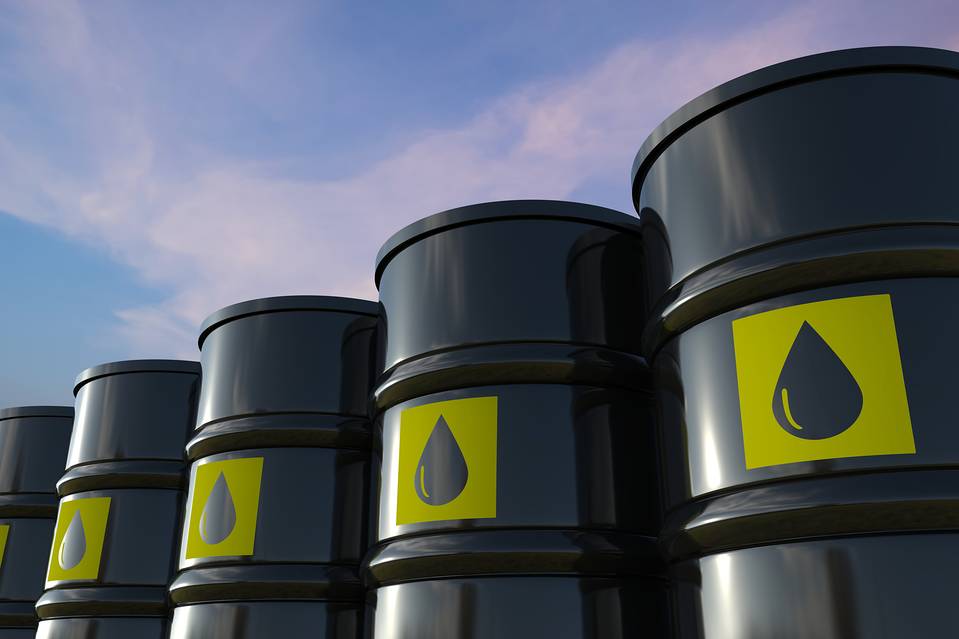
An oil and gas expert, Dr Austine Olorunsola, has faulted the Federal Government’s $1.2 billion expenditure on the importation of petroleum products in one year, describing it as criminal and unnecessary.
He made this known while responding to questions from the Adhoc Committee on Petroleum Industry Bill (PIB), of the House of Representatives at an interactive session organized by the Petroleum Development Trust Fund (PTDF) on PIB.
Olorunsola, who led a technical team of experts in the drafting and presentation of different components of the Petroleum Industry Bill (PIB) said the importation was unnecessary, explaining that the money being spent to bring petroleum products into the country is enough to build new refineries.
“It’s criminal to spend $1.2billion to bring in products. You can use that amount to build three to four big refineries if you want.
“You can even use that money to open up the market by giving soft loans to private investors, if government is not interested in building refineries to establish them so that we can stop importation and create employment,” he said.
Taking the committee members through technical details of different components of the PIB, made up of four proposed legislation, Olorunsola underscored the importance of the bill, saying that it would engender comprehensive governance of the oil and gas sector in a way that would generate maximum returns to the stakeholders.
The PIB according to him was split into four different components, namely: the Petroleum Industry Governance Bill (PIGB), the Petroleum Industry Administration Bill (PIAB), the Petroleum Industry Fiscal Bill (PIFB), and the Petroleum Industry Host Community Bill (PHCB).
Urging Nigeria to exploit its oil and gas resources, Olorunsola said: “Nigeria must timely exploit her oil and gas resources to realize maximum value for rapid development of her economy.
“So we need to move pretty fast. The US today has become the biggest producer of oil, which wasn’t so about 8 years ago.
“Now China has retired most of its coal energy sources and diversified into renewable energy sources with a sea of solar panels being assembled to power cities and industries.
“So the dynamics are changing as those who were importing before are now exporting, which is why we need to do something different and fast. If you don’t do something quickly about what you have, the value of it will be completely eroded.
“The essence of managing oil resources is to provide the best possible economic outcome for all stakeholders, ensure optimal utilisation of all infrastructure; to ensure operations is managed in safe and environmentally sustainable manner and ensure sufficient savings for the rainy day and future generations.”
He further urged the National assembly to pass the remaining three bills along with the PIGB for onward delivery to President Buhari for his assent.




-

 Featured1 week ago
Inside INEC’s race to prepare for Nigeria’s 2027 elections
-

 Featured1 week ago
2027: APC unveils nationwide campaign timetable, Tinubu to rally in 12 states
-

 Business5 days ago
Naira faces exchange rate gap as Dollar hits N1,380 on parallel market
-

 Business1 week ago
Court dismisses ₦170m Trade Fair contract claim, says Zenith Bank was not a party
-
 Latest1 week ago
Breaking: NNPCL raises petrol price to ₦1,405 per litre amid discount controversy
-

 Featured1 week ago
From kitchen to Supreme Court: Nigerian’s fight over alleged support for terrorists
-

 Football1 week ago
Maresca reveals Guardiola’s reaction to Man City’s 4-2 defeat to PSG
-

 Business7 days ago
NCC launches Internet Governance Working Group to tackle AI risks, boost online safety