
Business
Just in: Nigeria’s inflation rate climbs to 15.93% as consumer prices remain under pressure

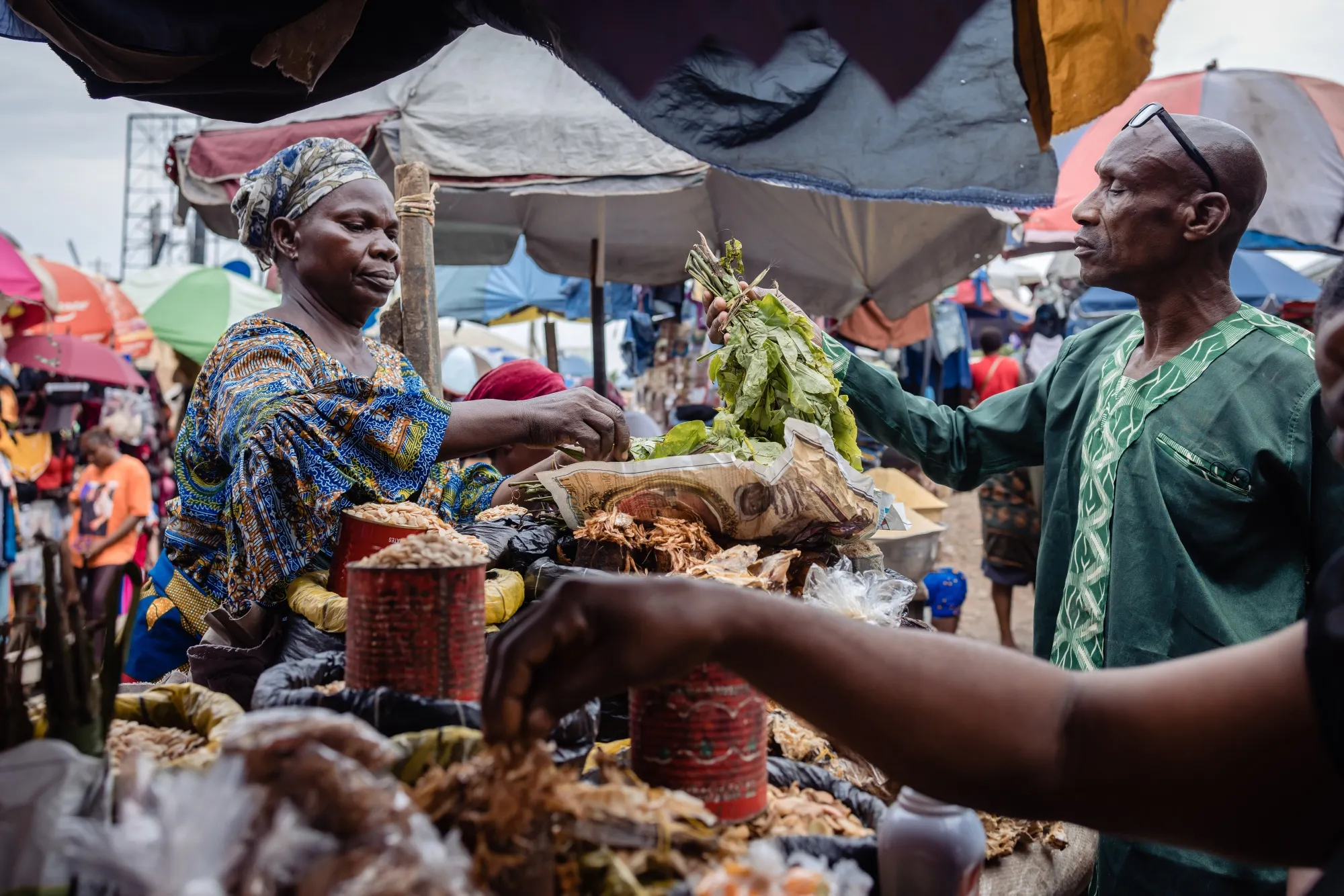
Nigeria’s headline inflation rate increased to 15.93 percent in May 2026, reversing the downward trend recorded in previous months and highlighting the continued pressure on household incomes and consumer spending across the country.
This was disclosed in the latest Consumer Price Index (CPI) report released by the National Bureau of Statistics (NBS), which showed that inflation rose from 15.69 percent recorded in April 2026 to 15.93 percent in May, representing a 0.24 percentage-point increase.
The report also indicated that the Consumer Price Index, which measures changes in the prices of goods and services, climbed to 140.7 points in May from 138.3 points in April. The 2.4-point increase underscores the persistent rise in the general price level despite ongoing efforts by policymakers to stabilize the economy.
According to the NBS, the latest figures suggest that inflationary pressures remain evident across various sectors of the economy, with consumers continuing to face higher costs for essential goods and services.
However, on a month-on-month basis, the report revealed a moderation in the pace of price increases.
Headline inflation for May stood at 1.75 percent, representing a decline of 0.39 percentage points compared to the 2.13 percent recorded in April 2026.
READ ALSO: Power crisis driving inflation, rising production costs, job losses, advocacy group warns
The lower month-on-month figure indicates that although prices continued to rise during the period under review, they increased at a slower pace than in the preceding month.
Economic analysts say the development presents a mixed picture for the Nigerian economy. While the year-on-year increase in headline inflation points to sustained cost pressures, the slower monthly growth rate could signal a gradual easing of inflationary momentum.
The latest inflation data comes amid ongoing efforts by monetary and fiscal authorities to curb rising prices, stabilize the foreign exchange market, and improve food supply across the country.
Businesses and households have continued to grapple with elevated operating costs, transportation expenses, and fluctuations in the prices of essential commodities, factors that have contributed significantly to inflationary trends in recent months.
Experts note that the trajectory of inflation in the coming months will depend on several factors, including exchange rate stability, food production levels, energy costs, and broader economic reforms being implemented by the government.
The NBS report is expected to provide critical guidance for policymakers, investors, and financial institutions as they assess the state of the economy and consider measures aimed at sustaining growth while keeping inflation under control.
With inflation remaining above desired levels, attention will now turn to future policy decisions by the Central Bank of Nigeria and other economic managers seeking to balance price stability with economic expansion.


-

 Featured5 days ago
Inside INEC’s race to prepare for Nigeria’s 2027 elections
-

 Featured5 days ago
2027: APC unveils nationwide campaign timetable, Tinubu to rally in 12 states
-

 Latest1 week ago
UCTH faces morgue crisis as 50 unclaimed corpses await mass burial
-

 Business7 days ago
President Tinubu and the Low Transport Fares Fiasco
-

 Business1 week ago
BREAKING: Nigeria’s Inflation Rate Drops to 14.63% in September
-
 Business5 days ago
Court dismisses ₦170m Trade Fair contract claim, says Zenith Bank was not a party
-

 Latest7 days ago
Global excitement builds as Healing Streams Live Services returns October 23
-
 Business3 days ago
Naira faces exchange rate gap as Dollar hits N1,380 on parallel market