
Latest
Kidnapping fears: Ogbomoso communities give herdsmen 48 hours to leave

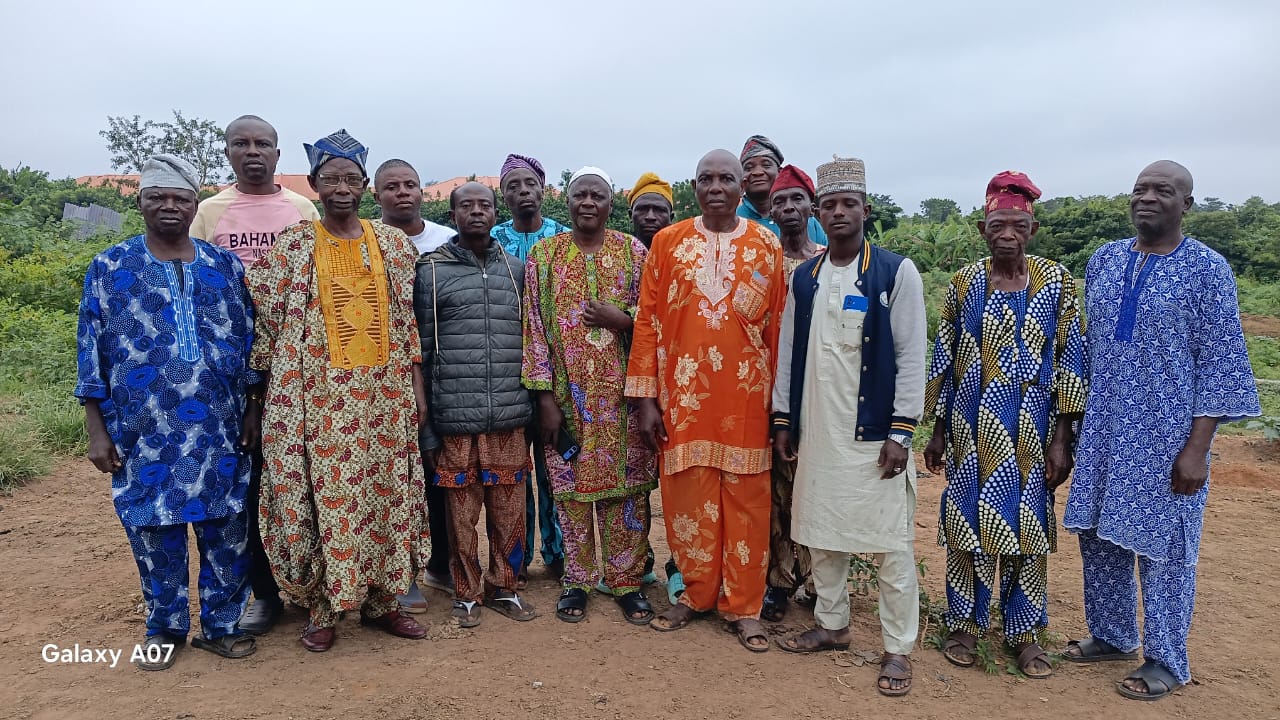
Leaders and residents of eight communities in Ogbomoso South Local Government Area of Oyo State have issued a 48-hour ultimatum to a group of herders recently seen in the area, citing security concerns, alleged destruction of farmland and other complaints.
The decision, reached at a meeting on Monday, August 10, 2026, comes amid heightened security concerns across parts of the Ogbomoso geopolitical zone, where communities have reported cases of kidnapping and other criminal activities.
Among the communities affected are Ibapon Are Oluwamodupe, Ayedire, Mercy Land, Estate, Irewolede, Ona Igbala, Ifesowapo and Grace Land, all located around the Samaday area.
The development has raised broader questions about how rural communities are responding to the movement of unfamiliar groups into their neighbourhoods at a time when kidnapping and other forms of insecurity remain major concerns across parts of Oyo State.
Security concerns trigger community action
Community leaders said the immediate trigger for the ultimatum was the presence of what they described as a group of unfamiliar Fulani herders who had recently settled around the affected communities.
The communities linked their concerns to recent security incidents in the wider Ogbomoso area, including reported kidnapping cases in Oloka village.
They also referenced the recent abduction of 39 students and seven teachers in communities in Oriire Local Government Area, saying such incidents had heightened anxiety among residents.
At the meeting where the ultimatum was issued, community leaders, representatives of Ogbomoso Parapo, the Seriki Fulani in Ibapon and representatives of the herders were reportedly present.
READ ALSO; Tears as community buries teacher killed in school attack in Ogbomosho
Those involved included Baale Ibapon, Ashifat Akanji; Chairman of Ogbomoso Parapo (Home Headquarters), Prince Aderemi Olude; Seriki Fulani Ibapon, Alhaji Idowu; and leaders representing the affected communities.
The meeting was intended to establish why the herders had moved into the area and whether they had obtained the necessary approval from local authorities or community leaders.
Who authorised their presence?
One of the issues that emerged from the meeting was a dispute over who, if anyone, had authorised the herders to occupy the area.
Akanji said the communities were familiar with some Fulani residents who had lived peacefully among them for years, stressing that the latest group was considered unfamiliar to the community.
He said the communities had previously held security discussions with the Commissioner of Police and had been advised to pay attention to unfamiliar persons within their communities.
“We don’t know them,” Akanji said, explaining that the communities already had established Fulani residents led by Idowu, who had been issued identification cards.
According to him, the community’s decision was driven by the need to prevent a potential security incident rather than wait until one occurred.
According to him, the presence of the animals had also created offensive odours and other environmental problems across the affected areas.
Oyebamiji said residents had previously reported the matter to law-enforcement authorities, who allegedly drove the herders away from the area.
The ultimatum highlights a wider challenge confronting communities in parts of Nigeria: how to distinguish legitimate security vigilance from actions that could deepen tensions between host communities and mobile populations.
While the Ogbomoso communities say their concerns are based on specific complaints and the need to prevent insecurity, the decision to ask a group of herders to leave also underscores the importance of ensuring that security measures do not become a source of ethnic or communal confrontation.
The communities’ stated position is that their presence, combined with complaints about their activities and uncertainty over who authorised their settlement, constitutes sufficient cause for heightened vigilance.
If the herders comply peacefully, the dispute may end without further escalation. If they refuse to leave, however, the communities have indicated that they intend to involve relevant authorities and pursue what they described as lawful action.


-
 Latest6 days ago
Israel marks 3 years since October 7 Hamas attack amid Gaza strikes, election debate
-

 Energy6 days ago
Fuel Battle: Dangote, marketers and government clash over petrol imports
-

 Energy7 days ago
Petrol, diesel prices rise 86% in 2026 as costs hit fresh highs
-

 Energy1 week ago
Has Iran lost control of the Strait of Hormuz? Oil flows rebound as war disruptions persist
-

 Football7 days ago
Nigeria’s World Cup exit under spotlight as FIFA’s DR Congo files emerge
-

 Latest6 days ago
US Court set to rule on release of FBI, DEA records on Tinubu
-

 Business6 days ago
Nigerian investors at a crossroads as fixed-income yields slide
-

 Business1 week ago
LoveWorld Trade and Investment Forum to Convene Business Leaders in Accra