
Health
Lagos dominates Nigeria’s DNA testing scene as 27% of paternity tests nationwide prove negative

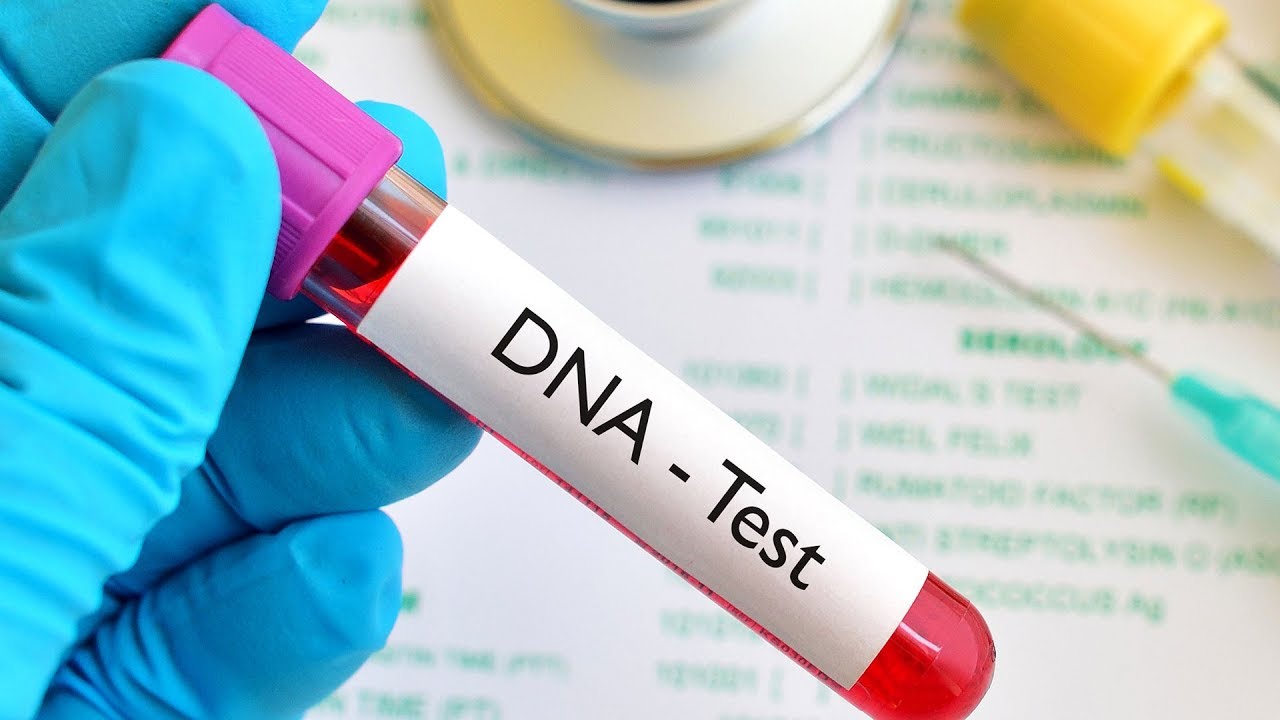
Lagos has emerged as the leading hub for DNA testing in Nigeria, accounting for an impressive 73.1% of all paternity tests conducted across the country, according to the newly released Smart DNA 2024 report.
This dominance highlights Lagos’s pivotal role in addressing paternity issues amidst rising family complexities and doubts.
The report, covering June 2023 to June 2024, reveals that nationwide, 27% of paternity tests returned negative results, indicating that in over one in four cases, the man tested was not the biological father.
This underscores a significant prevalence of paternity disputes, with Lagos leading the charge in seeking clarity on these matters.
In Lagos, the Mainland recorded 67.5% of the city’s DNA tests, while the Island contributed 32.5%. This geographical discrepancy is attributed to the higher purchasing power of Mainland residents.
Overall, 73.0% of tests across the country confirmed the biological relationship between the child and the tested father.
READ ALSO: Lagos Taskforce arrests 25 suspected criminals on Lekki-Epe Expressway
The surge in DNA testing is largely driven by personal reasons rather than legal or immigration needs. The report indicates that 85.9% of tests were sought for ‘Peace of Mind,’ reflecting a desire for personal certainty.
DNA tests for immigration purposes saw an 11.5% increase, aligning with the growing “Japa” trend where Nigerians seek opportunities abroad, often requiring proof of familial relationships.
A notable gender disparity was observed in those initiating DNA tests, with men constituting 88.2% of the requesters.
This suggests that men are more likely to seek testing due to doubts about paternity. The report also noted that the data might reflect a sample bias, as those seeking tests often have specific reasons for questioning paternity.
Demographically, the Yoruba ethnic group requested the highest number of tests (53%), followed by the Igbo (31.3%), Hausa (1.2%), and others (14.5%).
Most tests were conducted on male children (52.8%), with a significant number performed on children aged 0-5 years (54%), indicating a preference for early paternity confirmation.
The report highlights the cultural and societal pressures in Nigeria regarding family lineage and the legitimacy of children, which can lead to the concealment of paternity issues.
The prohibitive cost of testing, averaging approximately ₦280,000, further exacerbates the challenge, limiting access and perpetuating uncertainty and mistrust within families.


-
 Latest7 days ago
Israel marks 3 years since October 7 Hamas attack amid Gaza strikes, election debate
-

 Energy6 days ago
Fuel Battle: Dangote, marketers and government clash over petrol imports
-

 Energy1 week ago
Petrol, diesel prices rise 86% in 2026 as costs hit fresh highs
-

 Latest1 day ago
Full List: Meet the 2026 Nobel Prize winners across six categories
-

 Football1 week ago
Nigeria’s World Cup exit under spotlight as FIFA’s DR Congo files emerge
-

 Latest1 week ago
US Court set to rule on release of FBI, DEA records on Tinubu
-

 Business1 week ago
Nigerian investors at a crossroads as fixed-income yields slide
-

 Latest1 week ago
Oyo APC crisis deepens as Oluyole reconciliation meeting ends in brawl