
Latest
Lagos GAC chair warns against rising political dynasties ahead of council polls

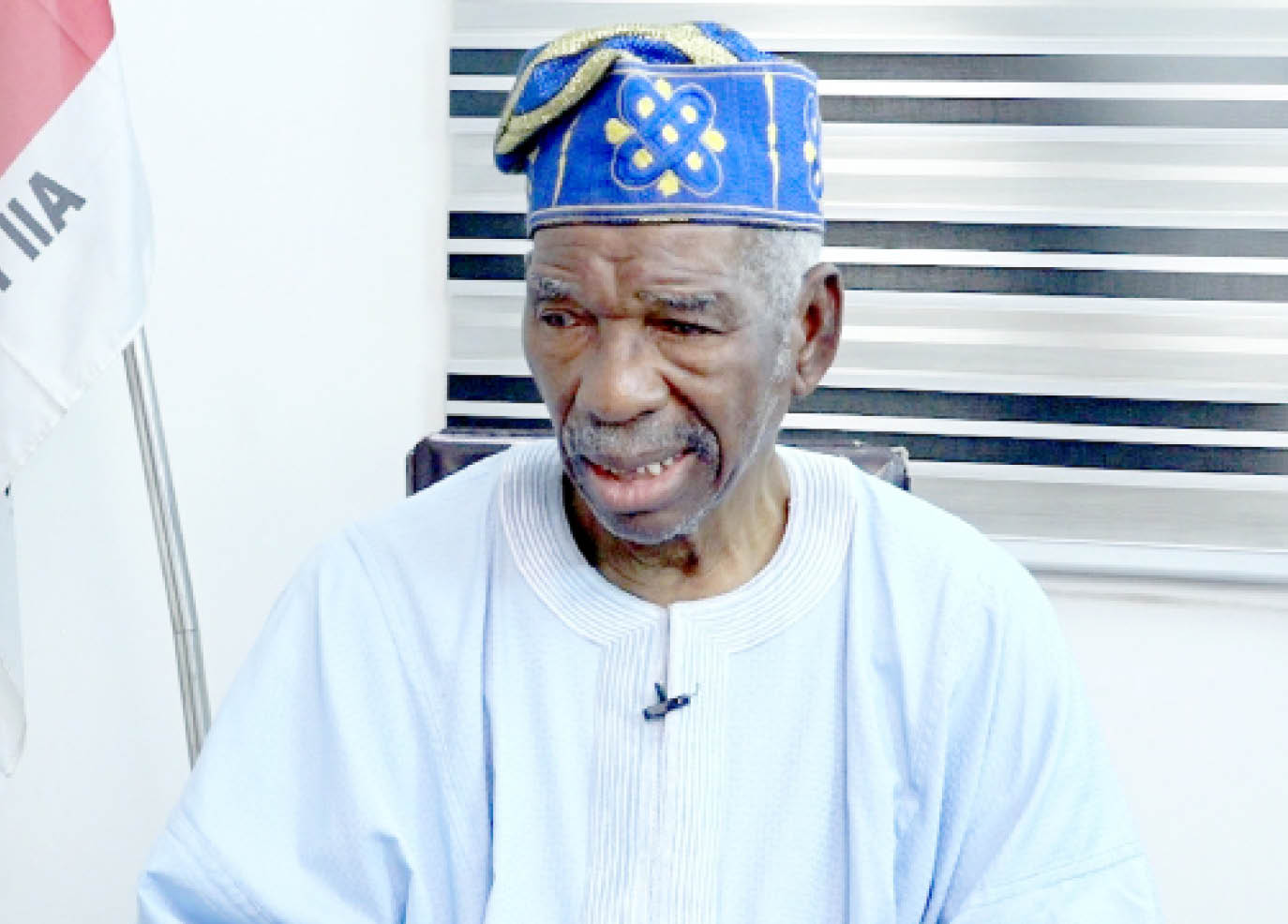
The Chairman of the Governance Advisory Council (GAC) in Lagos State, Prince Tajudeen Olusi, has raised alarm over what he described as the disturbing rise of political dynasties in the state, particularly ahead of the upcoming local government elections.
Speaking in a candid interview on Tuesday, Olusi expressed concern over the increasing number of established politicians actively positioning their children—especially sons—for elective offices, warning that this trend threatens the very foundation of Nigeria’s democratic principles.
“This is part of what is wrong in this country that all of us are not addressing,” he stated.
“My father did not bring me into politics. In our time, your career was determined by your own interests or societal contribution—not because your parents were politicians.”
Olusi, a respected elder statesman in Lagos politics, revealed that at least three prominent political figures are currently supporting their sons to contest council positions in Lagos Island.
He named former Lagos State Governor Babatunde Fashola and former Vice Chairman Yemisi Coker among those involved.
He noted that such practices were rare in earlier democratic eras. “In the Fourth Republic, this wasn’t so common. We were the ones who asked Awolowo’s son, Oluwole, to serve as a councillor, and even then, his father declined. Now, things have changed drastically.”
READ ALSO: Jandor visits Lagos APC, signifies support for Tinubu’s 2027 re-election as President
The GAC chairman linked this trend to the commercialization of politics, suggesting that many now view political office as a lucrative career path rather than a platform for service.
“Nowadays, everyone wants their children to become Honourables and Chairmen because they see politics as a money-making venture. That’s where we’ve all gone wrong.”
Olusi blamed the origins of this mentality on the legacy of military rule, particularly under General Ibrahim Babangida, whose administration, he said, set a precedent by transferring power to individuals motivated more by personal gain than public service.
He also condemned the growing culture of monetized endorsements, where aspirants with no visible record of community service offer bribes or financial incentives to secure political support.
“Anyone who wants to serve should have a clear track record—from school to their community,” Olusi insisted. “But these days, someone embezzled funds and the next advice they get is to run for office.”
Calling for urgent reform, Olusi urged the media to take a proactive role in educating the public about the long-term risks of political inheritance, stressing that unchecked dynastic politics could ultimately erode the credibility and effectiveness of grassroots governance.


-
 Latest6 days ago
Israel marks 3 years since October 7 Hamas attack amid Gaza strikes, election debate
-

 Energy5 days ago
Fuel Battle: Dangote, marketers and government clash over petrol imports
-

 Energy7 days ago
Petrol, diesel prices rise 86% in 2026 as costs hit fresh highs
-

 Energy1 week ago
Has Iran lost control of the Strait of Hormuz? Oil flows rebound as war disruptions persist
-

 Football6 days ago
Nigeria’s World Cup exit under spotlight as FIFA’s DR Congo files emerge
-

 Latest6 days ago
US Court set to rule on release of FBI, DEA records on Tinubu
-

 Business6 days ago
Nigerian investors at a crossroads as fixed-income yields slide
-

 Business1 week ago
LoveWorld Trade and Investment Forum to Convene Business Leaders in Accra