
Crime
Lagos raises alarm over adulterated palm oil in market, orders surveillance

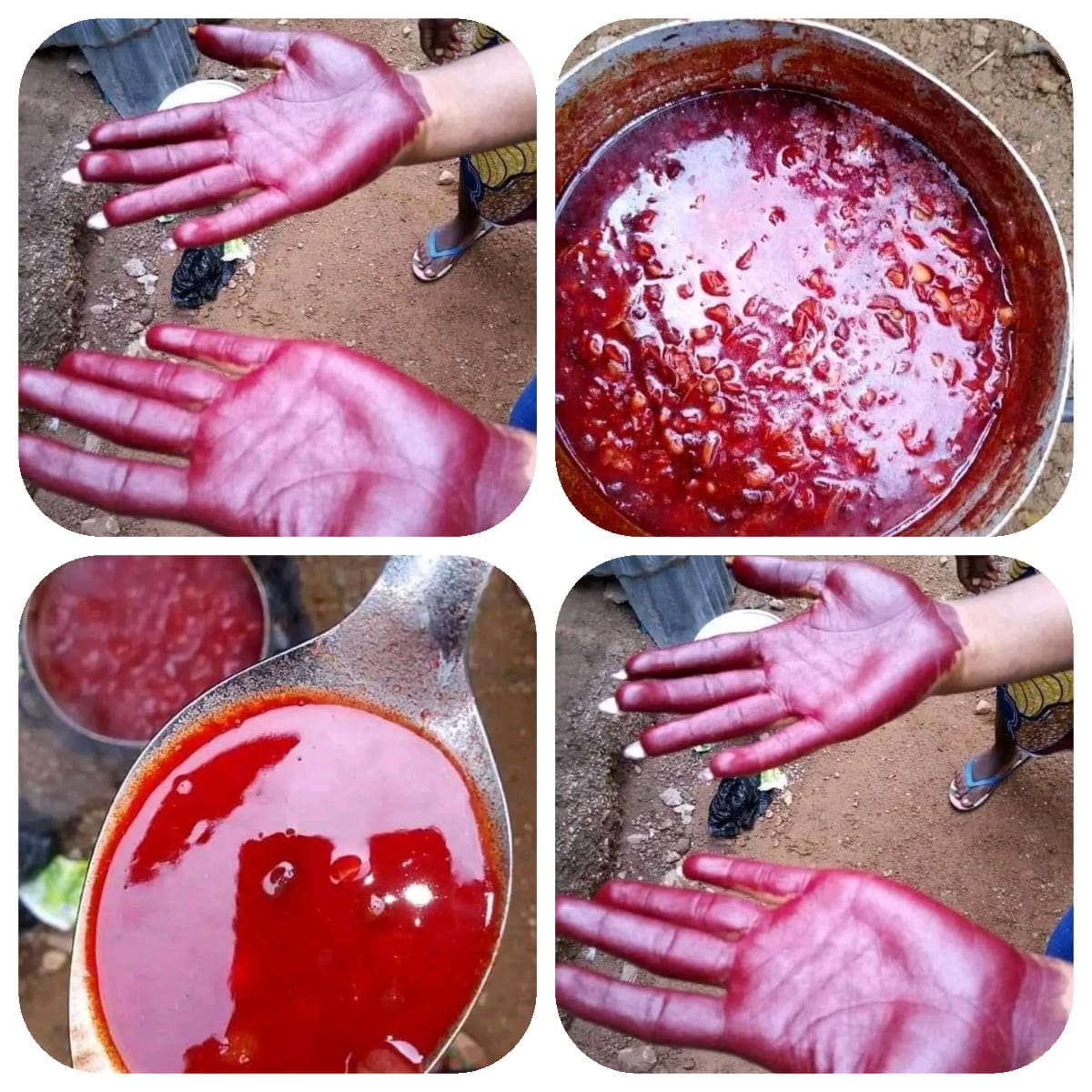
The Lagos State Government has raised the alarm over the circulation of sophisticated adulterated palm oil in markets across the state, warning consumers about emerging practices capable of making contaminated products difficult to detect through routine checks.
The warning was issued through the Lagos State Consumer Protection Agency (LASCOPA) following a technical presentation at the Lagos State Food Safety Conference and Exhibition 2026, where experts highlighted new methods being used to adulterate palm oil and the potential health implications for consumers.
At the conference, Dr Nurah Oseni, a Senior Lecturer in the Department of Food Technology at Auchi Polytechnic, presented a paper titled “Palm Oil Adulteration: Emerging Risks, Detection Strategies and Regulatory Control.”
Oseni identified several factors that make palm oil particularly vulnerable to adulteration, including the large volume of trade in the product, consumer preference for deep-red palm oil, price disparities and the prevalence of informal trading practices.
She expressed particular concern over the reported use of Sudan and Azo dyes to artificially intensify the colour of palm oil, warning that some of these substances could pose serious health risks.
According to the expert, adulteration is no longer limited to simple dilution or the addition of cheaper substances. She identified the blending of palm oil with recovered or recycled oils, including spent cooking oil, as another emerging concern requiring increased regulatory attention.
Oseni further warned that sophisticated adulteration practices could make contaminated products difficult to identify through basic quality-control procedures.
She said some adulterants could be combined in ways designed to evade routine checks, while fraudulent labelling and manipulated batch records could make it more difficult for regulators to trace the source of affected products.
READ ALSO; Outrage trails viral video of girl trying to poison employer’s palm oil (Video)
The development has heightened concerns over food safety in Lagos, where palm oil is widely consumed and forms an important ingredient in household cooking and commercial food production.
The potential use of unauthorised colourants is particularly concerning because consumers may rely heavily on the appearance of palm oil when making purchasing decisions. The preference for a deeper red colour, according to the presentation, can create an incentive for unscrupulous traders to artificially alter the appearance of the product.
In response to the concerns, LASCOPA said it was intensifying market surveillance across Lagos State as part of efforts to identify unsafe, adulterated and substandard palm oil and protect consumers.
The agency’s surveillance is expected to focus on strengthening checks within the supply chain and improving the ability of regulators to identify products that fail required safety and quality standards.
The state government’s warning also underscores the need for consumers and traders to exercise greater caution when purchasing or selling palm oil, particularly where unusually low prices, questionable labelling or abnormal colouring may raise concerns.
The authorities urged stakeholders within the food supply chain to support regulatory efforts aimed at preventing unsafe products from reaching consumers.
The development comes as food safety authorities increasingly confront sophisticated forms of food adulteration that can undermine conventional inspection methods, making stronger laboratory testing, traceability systems and market surveillance critical to protecting public health.


-
 Latest5 days ago
Israel marks 3 years since October 7 Hamas attack amid Gaza strikes, election debate
-

 Energy5 days ago
Fuel Battle: Dangote, marketers and government clash over petrol imports
-

 Energy6 days ago
Petrol, diesel prices rise 86% in 2026 as costs hit fresh highs
-

 Energy7 days ago
Has Iran lost control of the Strait of Hormuz? Oil flows rebound as war disruptions persist
-

 Football6 days ago
Nigeria’s World Cup exit under spotlight as FIFA’s DR Congo files emerge
-

 Latest6 days ago
US Court set to rule on release of FBI, DEA records on Tinubu
-

 Business6 days ago
Nigerian investors at a crossroads as fixed-income yields slide
-

 Business7 days ago
LoveWorld Trade and Investment Forum to Convene Business Leaders in Accra