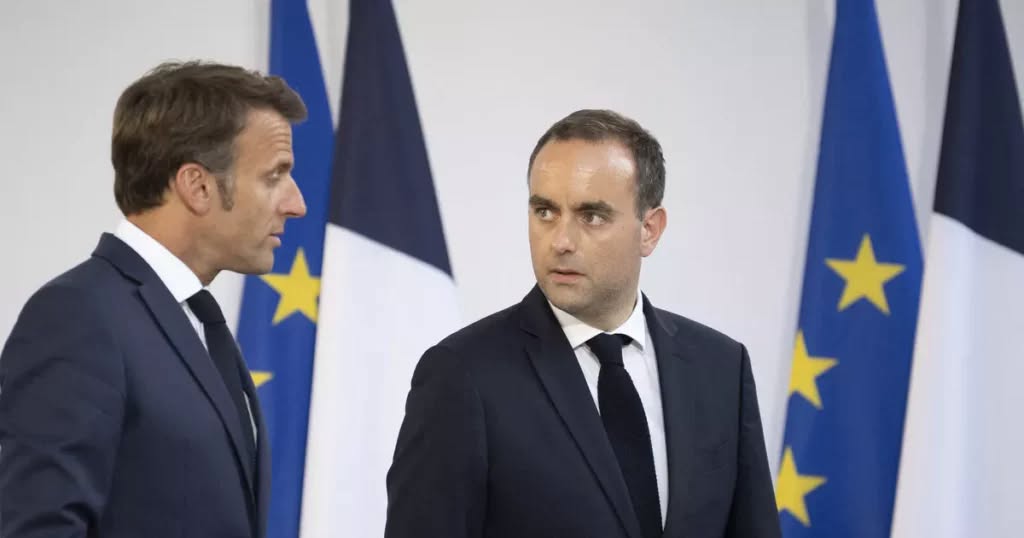
French President Emmanuel Macron and Polish Prime Minister Donald Tusk held high-level talks in Paris on Monday aimed at strengthening Europe’s defence capabilities amid ongoing security challenges on the continent.
The meeting at the Élysée Palace comes as European leaders reassess their security posture in light of continued conflict in Eastern Europe and uncertainty surrounding long-term U.S. military commitments to the region.
Both leaders emphasised the need for greater coordination among European nations to enhance military readiness and reduce strategic vulnerabilities. While reaffirming support for NATO, they stressed that stronger European defence structures would complement, rather than replace, the alliance.
Discussions included expanding regional cooperation frameworks and improving joint military planning, particularly among key European partners.
Macron and Tusk also explored ways to boost defence production, including accelerating the supply of critical equipment such as artillery systems and air defence capabilities. Poland’s ongoing military modernisation was highlighted as a key element in strengthening Europe’s eastern flank.
The talks reflected growing concerns among European governments about the need for increased self-reliance in security matters. Macron noted that Europe must take greater responsibility for its own defence, while Tusk underscored the importance of collective strength, particularly for countries located near potential conflict zones.
In addition to conventional defence, the leaders discussed rising hybrid threats, including cyberattacks and disinformation campaigns. Plans were outlined for closer cooperation in cybersecurity and the protection of critical infrastructure, especially ahead of upcoming elections in Europe.
Beyond defence, the meeting also touched on economic and industrial collaboration, with both countries seeking to deepen partnerships in areas such as defence manufacturing and energy security.
The talks signal a renewed effort by major European powers to coordinate more closely on security issues, as the continent navigates an evolving geopolitical landscape.



 Health1 week ago
 Energy1 week ago
 Latest6 days ago
 Football6 days ago
 Maritime5 days ago
 Crime7 days ago
 Latest5 days ago
 Football4 days ago