
Business
NACCIMA warns of severe economic strain as petrol prices soar above N1,000 per litre

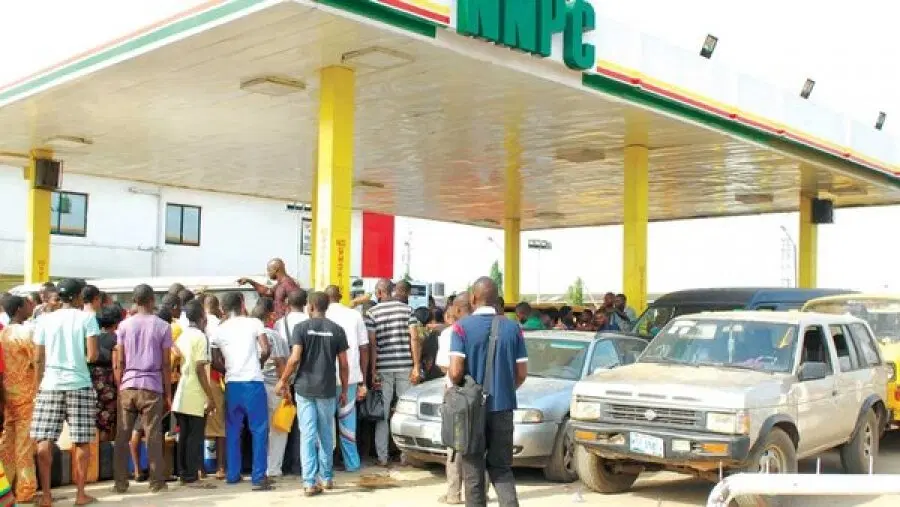
The Nigerian Association of Chambers of Commerce, Industry, Mines, and Agriculture (NACCIMA) has raised serious concerns over the recent surge in petrol pump prices, which have skyrocketed to N998 per litre in Lagos and N1,030 in Abuja.
Dele Oye, the national president of NACCIMA, issued a statement in Lagos on Wednesday, highlighting the detrimental effects this increase is having on businesses, households, and the broader Nigerian economy.
Oye warned that the hike in petrol prices is exacerbating transportation costs, driving inflation even higher, and placing immense pressure on small and medium-sized enterprises (SMEs) that rely heavily on petrol to power their operations. He pointed out that the rise in fuel prices will not only impact transportation and freight costs but also drive up the prices of goods and services, intensifying the financial burden on consumers.
READ ALSO: CBN’s MPR hike will have negative impacts on private sector, says NACCIMA
“With transportation costs directly linked to fuel prices, this increase will inevitably lead to higher freight charges. Since petrol is a key driver of inflation, the surge in prices will deepen the already high inflation rate in the country,” Oye stated. “Households will not only face higher fuel costs but also increased prices for everyday necessities, triggering a vicious cycle of economic hardship.”
Oye emphasized that SMEs, particularly micro and nano businesses dependent on petrol generators for power, will be hit hardest.
The fuel price hike could force many small enterprises to shift their focus from growth to mere survival, limiting job creation and stalling economic development across communities.
NACCIMA also called for immediate action from both the Nigerian National Petroleum Company (NNPC) Limited and the Central Bank of Nigeria (CBN).
Oye urged NNPC to provide support to the Dangote Petroleum Refinery, which is expected to stabilize local petrol prices and reduce Nigeria’s reliance on imported fuel. Furthermore, he stressed the need for the CBN to implement more effective monetary policies to stabilize the naira and curb inflationary pressures.
“As stakeholders, NACCIMA remains committed to engaging with government entities to advocate for strategies that stabilize fuel prices and bolster domestic production capabilities, ensuring the Nigerian economy can weather these challenging times,” Oye concluded.
He also warned that as importation costs rise due to currency depreciation, domestic petrol prices could continue to escalate, further straining the economy.


-
 Latest6 days ago
Israel marks 3 years since October 7 Hamas attack amid Gaza strikes, election debate
-
 Energy6 days ago
Fuel Battle: Dangote, marketers and government clash over petrol imports
-
 Energy1 week ago
Petrol, diesel prices rise 86% in 2026 as costs hit fresh highs
-

 Football7 days ago
Nigeria’s World Cup exit under spotlight as FIFA’s DR Congo files emerge
-
 Energy1 week ago
Has Iran lost control of the Strait of Hormuz? Oil flows rebound as war disruptions persist
-

 Latest22 hours ago
Full List: Meet the 2026 Nobel Prize winners across six categories
-

 Latest7 days ago
US Court set to rule on release of FBI, DEA records on Tinubu
-
 Business7 days ago
Nigerian investors at a crossroads as fixed-income yields slide