
Business
Naira depreciates to N809.02/$1 at the official market

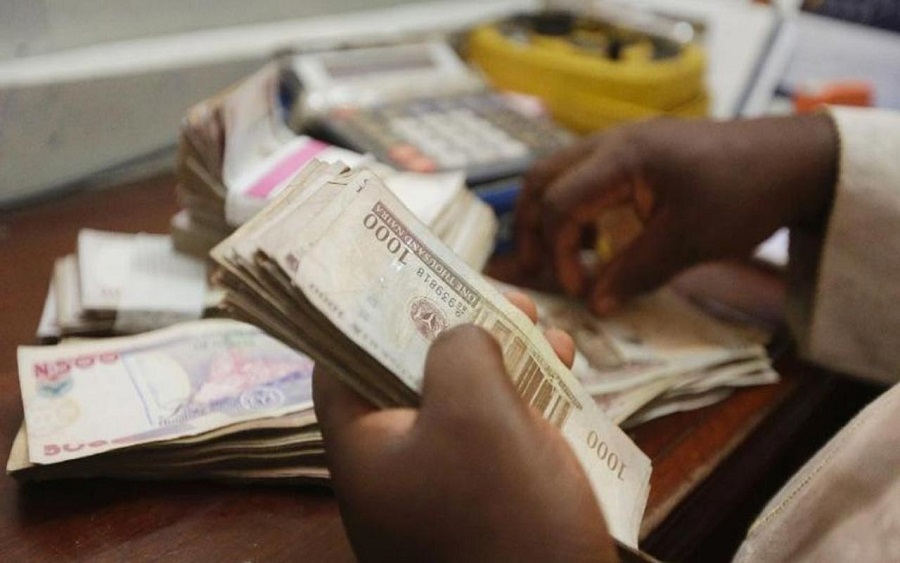
Naira depreciated against the dollar on Monday, 6th November 2023, closing at N809.02/$1 at the official market, representing a 4.06% increase from the N776.14/$1 recorded on Friday 3rd November day.
The intraday high recorded was N1100/$1, while the intraday low was N720.50/$1, representing a wide spread of N379.50/$1.
According to data obtained from the official NAFEM window, forex turnover at the close of the trading was $87.65 million, representing an 11.30% decrease compared to the previous day.
However, on the black market where forex is sold unofficially, the exchange rate appreciated 16.18%, quoted at N1020/$1, while peer-to-peer traders quoted around N1063.50/$1.
The Association of Bureau de Change Operators of Nigeria has warned those speculating against the naira to be wary.
READ ALSO: Naira ranked 96th among global currencies
The President of ABCON, Aminu Gwadabe gave the warning and noted that the Central Bank of Nigeria was set to inflict pain on currency speculators.
“What is happening in the market and the continuous naira rebounds are the manifestations of the CBN double-edged sword measures of dollar liquidity injection and naira mopping through the instrumentality of interest rates hikes.
“It is a good development as it is the greatest risk to speculate, hoard, and substitute naira for other currencies,” Gwadabe declared.
The naira had reversed the depreciating trend it had witnessed this year after the CBN started to clear the forex demand backlog in banks.
“As we continue to observe developments, there is the need for a caution in attacking the naira, as it all appears that the CBN has gotten the arsenal and the logic to continue to enshrine the success recorded,” ABCON added.
The association noted that there had been “panic selling as against panic buying”.
The BDC operators called on the apex bank to continue to make clarifications and implement some of their recommendations to include them in the foreign exchange market.
Gwadabe said that would enable BDCs to play their roles of meeting the needs of the critical retail end sector, “as they pose highly pass-through effects of the Central Bank foreign exchange rate policy of stability and elimination of disparities in the overall market.
“The BDCs are necessary for the demand measures of the apex bank transaction monitoring mechanism, and client’s utilisation with correcting and moderating potential,” he said.














-

 Latest5 days ago
Full List: Meet the 2026 Nobel Prize winners across six categories
-

 Football5 days ago
Premier League Matchweek 7: Five Fixtures That Could Shape the Weekend
-

 Latest4 days ago
Umahi defends Lagos-Calabar highway route changes amid public outcry
-

 Business3 days ago
Dangote Refinery IPO: 70% Subscription claim meets fourfold demand assertion as investors seek clarity
-
Business4 days ago
Dangote Refinery IPO Extension: Was the 70% subscription report overhyped?
-

 Latest2 days ago
UCTH faces morgue crisis as 50 unclaimed corpses await mass burial
-

 Featured4 days ago
El-Rufai, ADC governorship candidate’s court appearance puts Kaduna opposition politics in focus
-

 Latest5 days ago
Makinde’s Chief of Staff, Segun Ogunwuyi, resigns