
Business
Naira drops to N805/$1 at official window

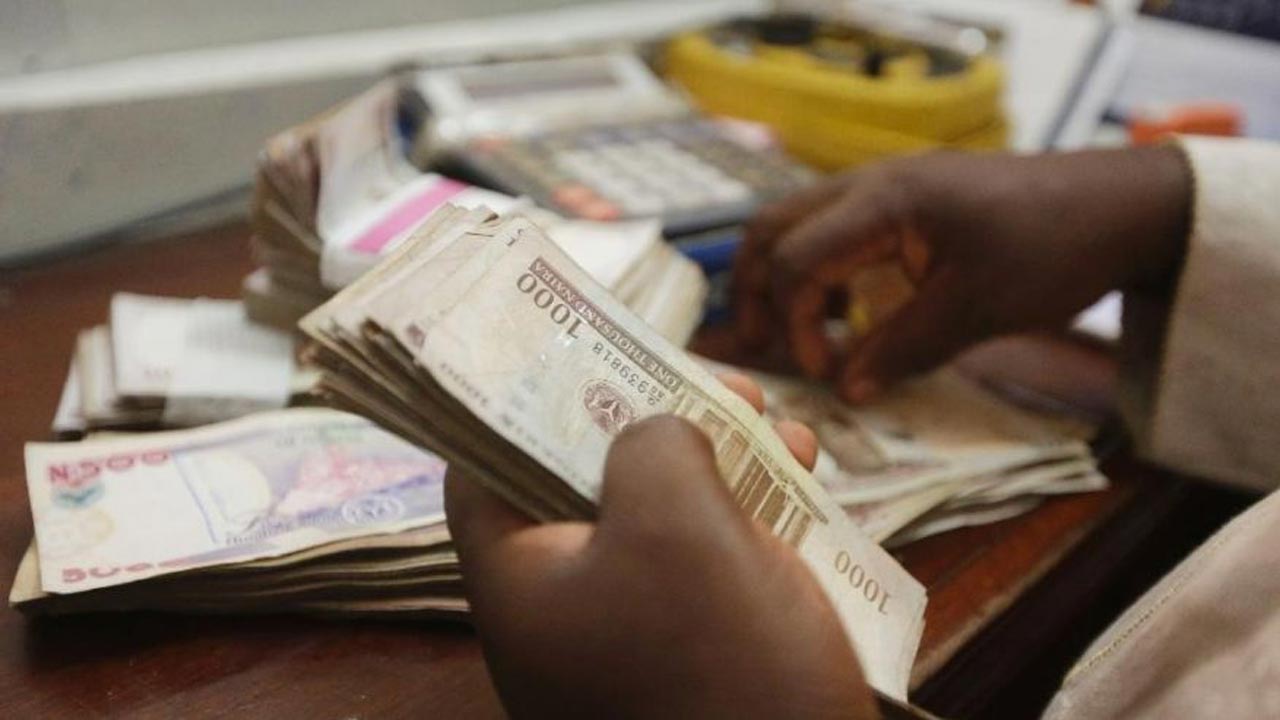
The exchange rate between the dollar and naira fell to N803/$1 at the investor & exporter window on Friday, July 15, 2023.
This is the lowest ever the exchange rate has fallen to since Nigeria adopted the managed float exchange rate system and the first time the rate has closed above N800/$1.
The closing rate of N803/$1 represents a 7.3% decline from the start of the week when it closed at N744/$1. The first signal of a challenge was when the exchange rate closed at N776/$1.
Forex turnover at the I&E window was just $46.9 million representing a 46.33% decline day on day. This is also the lowest point since May 2nd, 2023.
The market also registered a record intra-day high of N829/$1 even higher than the parallel market rate. The intra-day low was, however, N689/$1.
READ ALSO: Pound, Euro appreciate in face of declining Naira
The intra-day high is also the lowest ever we have seen for the exchange rate since the revised I&E window was launched.
Parallel market: Checks at the parallel market also show a similar plummetting of the exchange rate as it fell to N815/$1.
At the P2P window where the exchange rate is trading using cryptocurrency stable coins, rates sold for around N817/$1.
Rates also fell across other currencies such as Euro and Pounds, trading for as low as N885/$1 and N1050/$1 respectively.
Meanwhile, Nigeria’s forex reserves closed at $34 billion as of July 11th 2023.
BDC operators still shut out: BDC operators who spoke to Nairametrics early in the week suggested that the continuous policy of shutting them out is not helping the forex market as they continue to be a major play.
According to their report, BDC operators are advocating for increased participation and involvement in the foreign exchange market to ensure the success of the new exchange rate policy implemented by the Central Bank of Nigeria (CBN).
READ ALSO: Naira records marginal gain against Dollar amid improved liquidity
According to their chairman, Gwadabe, “The volatility of the naira continues to underpin the slow economic growth of Nigeria. The I&E window is laudable, it’s patriotic and nationalistic, but there is no policy that can actualize its mission without carrying the interest of the subsector (which is the BDCs). The I&E window is supposed to run on three legs, the banks, the CBN and the BDCs, overtly or covertly, the BDCs are missing.’’
For example, some manufacturers who spoke to Nairametrics indicated they are still unable to get forex on the official market, forcing them to resort to the black market.
The supply constraint is said to be piling pressure on the price as more Nigerians increase their demand for dollars as we approach the holiday season.
There is also pressure from Nigerians stashing forex ahead of the school fees season starting in September 2023.
The low-interest rate is thought to be a huge disincentive for foreign investors as they will rather invest in countries with better economic stability.













-
 Latest6 days ago
Israel marks 3 years since October 7 Hamas attack amid Gaza strikes, election debate
-

 Energy6 days ago
Fuel Battle: Dangote, marketers and government clash over petrol imports
-

 Energy1 week ago
Petrol, diesel prices rise 86% in 2026 as costs hit fresh highs
-

 Football7 days ago
Nigeria’s World Cup exit under spotlight as FIFA’s DR Congo files emerge
-

 Energy1 week ago
Has Iran lost control of the Strait of Hormuz? Oil flows rebound as war disruptions persist
-

 Latest7 days ago
US Court set to rule on release of FBI, DEA records on Tinubu
-

 Latest18 hours ago
Full List: Meet the 2026 Nobel Prize winners across six categories
-

 Business7 days ago
Nigerian investors at a crossroads as fixed-income yields slide