
Featured
NBS releases new GDP figure, growing by 5 percent; experts react

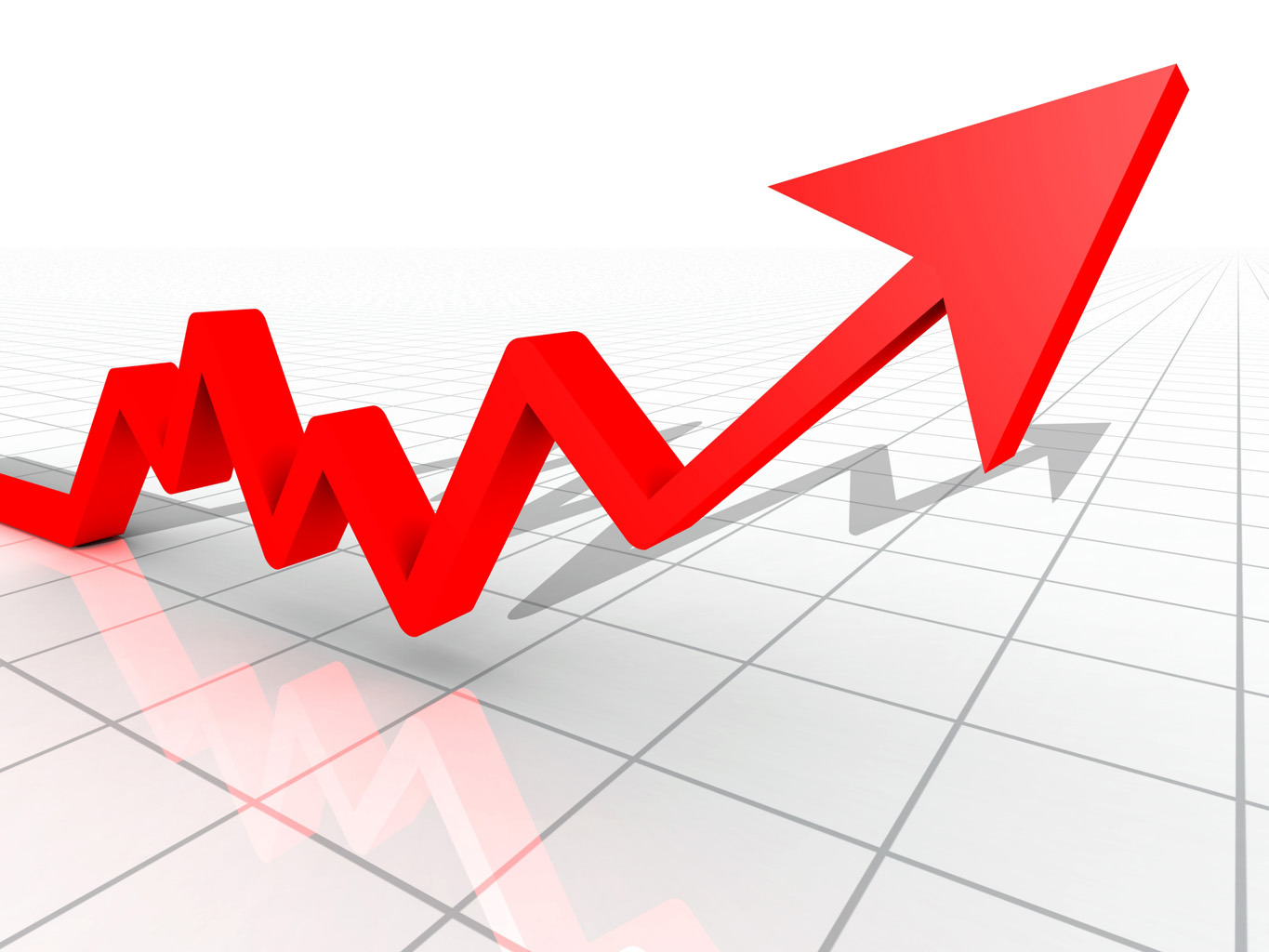
Economists have lauded the National Bureau of Statistics (NBS) estimates for Q2 Gross Domestic Product (GDP), which grew by 5.01 per cent.
The experts, in separate interviews with the News Agency of Nigeria (NAN) on Thursday in Lagos, however, urged the Federal Government to put measures in place to make the growth inclusive.
Prof Ndubisi Nwokoma, Director, Centre for Economic Policy Analysis and Research (CEPAR), University of Lagos, said on a comparative basis, the GDP growth figures meant the economy had opened up from the COVID-19 induced dislocations.
“Improvements in services were expected in view of the greater resort to ICT-induced service enhancement in the economy.
“However, the prevailing insecurity challenges in the country is a serious drag to output growth. If insecurity challenges are confronted headlong, economic growth in the coming quarters will be enhanced,” Nwokoma said.
Sheriffdeen Tella, Professor of Economics at the Olabisi Onabanjo University Ago-Iwoye, Ogun, said the GDP figures represented good news, if the figures were true.
“A GDP growth of 5.01 per cent is a strong indicator for improved welfare. But the reality on ground does not support such growth rates.
“However, the sub-sectors identified for the growth, except, transportation, cannot impact seriously on employment and income whereas agriculture and industrial sectors that would impact on these recorded slow and negative growth respectively.
“Actually, the fact is that the growth witness emanated largely from oil sector with improvement in oil prices since the beginning of the year.
“The government still needs to address issue of security for agriculture and industries to pick up,” Tella said.
Hassan Oaikhenan, Professor of Economics at the University of Benin, Benin-City, is worried that the GDP growth data do not reflect the reality on ground.
He urged government to come up with pragmatic and decisive policies that are geared toward sourcing raw materials for the manufacturing sector from within.
He said the agricultural sector needed to be harnessed to provide the raw materials needed by the industrial sector.
“There is need for pragmatic and actionable policy actions to create linkage between the industrial and agricultural sectors,” he said.
The NBS had reported that Nigeria’s GDP grew by 5.01 per cent (year-on-year) in real terms, resulting in the third consecutive quarter of growth since last year’s slowdown. The strongest real GDP growth the economy has recorded since Q4 2014.


-
 Featured1 week ago
Inside INEC’s race to prepare for Nigeria’s 2027 elections
-
 Featured1 week ago
2027: APC unveils nationwide campaign timetable, Tinubu to rally in 12 states
-
 Business5 days ago
Naira faces exchange rate gap as Dollar hits N1,380 on parallel market
-
 Business1 week ago
Court dismisses ₦170m Trade Fair contract claim, says Zenith Bank was not a party
-
 Latest1 week ago
Breaking: NNPCL raises petrol price to ₦1,405 per litre amid discount controversy
-

 Featured1 week ago
From kitchen to Supreme Court: Nigerian’s fight over alleged support for terrorists
-

 Football1 week ago
Maresca reveals Guardiola’s reaction to Man City’s 4-2 defeat to PSG
-

 Business7 days ago
NCC launches Internet Governance Working Group to tackle AI risks, boost online safety