
NCC
NCC tightens mobile device regulations with new centralized tracking system

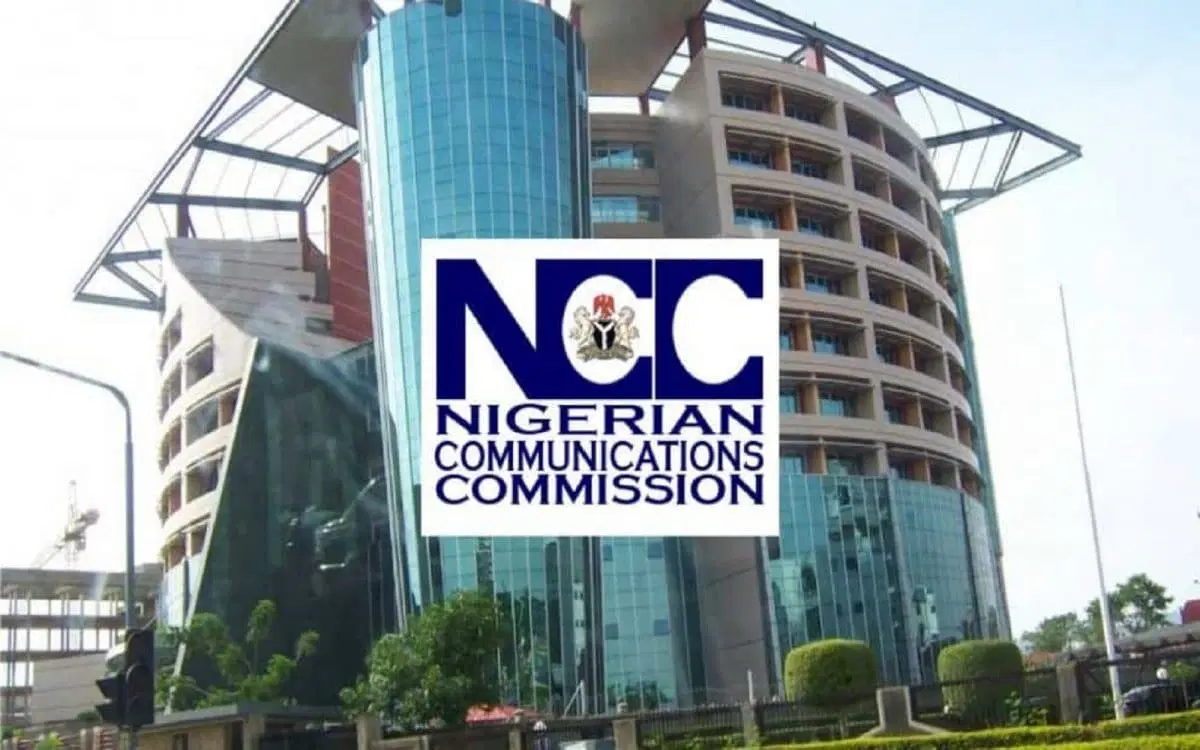
The Nigerian Communications Commission (NCC) has rolled out the Device Management System (NCC-DMS), a centralized platform designed to manage and regulate mobile devices accessing communication networks across the country.
Under the new ‘Type Approval Business Rule 2024,’ the NCC has mandated that all Mobile Network Operators (MNOs) in Nigeria connect to this system. The NCC-DMS will act as a central database, tracking devices across all networks to ensure only approved devices are in use.
This move is part of a broader effort to enhance security, reduce phone theft, and prevent the use of fraudulent mobile devices. The system will synchronize device identities with international databases, ensuring that all devices meet regulatory standards.
Additionally, mobile network operators and device suppliers are required to align with the NCC-DMS, while consumers will face limits on the number of devices they can register.
The new system, first announced in 2021, aims to improve transparency in the telecommunications sector and enhance national security by curbing the circulation of unregistered or illegal mobile devices.
READ ALSO: NCC grants Airtel Nigeria three licences to expand fibre network, boost data services
According to the Commission, all mobile network operators are required to connect to the NCC-DMS and mirror network-related policies configured by the NCC. This, it said, ensures that network operators adhere to the same standards and policies, fostering a uniform approach to device regulation.
“NCC-DMS shall acquire the International Mobile Equipment Identity (IMEI) of all devices latching to the communication network and synchronize with International databases of IMEI repositories.
“NCC-DMS shall maintain a registry of all communication devices available in the Federal Republic of Nigeria,” the Commission stated in the Business Rule.
It added that individuals would be able to register their mobile devices, but the number of devices allowed for registration will be limited and determined by the Commission.
Device registration on the NCC-DMS will require payment fees, distinct from type approval fees. This fee structure will be applied to every device registered, making it a necessary step for suppliers and individuals alike.
The NCC first announced plans to deploy the DMS in 2021, saying it would promote greater transparency and accountability in the telecommunications sector, enhance national security, and ensure that Nigeria’s communication infrastructure is used safely and efficiently.
“To curtail the counterfeit mobile phone market, discourage mobile phone theft, enhance national security, protect consumer interest, increase revenue generation for the government, reduce the rate of kidnapping, mitigate the use of stolen phones for crime, and facilitate blocking or tracing of stolen mobile phones and other smart devices, one of the means to achieve this is through the deployment of Device Management System,” the Commission stated in a statement issued at that time.
The platform ensures that every reported IMEIs for stolen and illegal mobile phones and other smart devices are blacklisted and shared with all operators across all networks; to ensure all unregistered devices do not work in any of the Networks in Nigeria.


-
 Latest6 days ago
Israel marks 3 years since October 7 Hamas attack amid Gaza strikes, election debate
-

 Energy6 days ago
Fuel Battle: Dangote, marketers and government clash over petrol imports
-

 Energy7 days ago
Petrol, diesel prices rise 86% in 2026 as costs hit fresh highs
-

 Energy1 week ago
Has Iran lost control of the Strait of Hormuz? Oil flows rebound as war disruptions persist
-

 Football7 days ago
Nigeria’s World Cup exit under spotlight as FIFA’s DR Congo files emerge
-

 Latest7 days ago
US Court set to rule on release of FBI, DEA records on Tinubu
-

 Business7 days ago
Nigerian investors at a crossroads as fixed-income yields slide
-

 Latest15 hours ago
Full List: Meet the 2026 Nobel Prize winners across six categories