
Business
NCC’s zero-rated learning initiative wins UNESCO endorsement

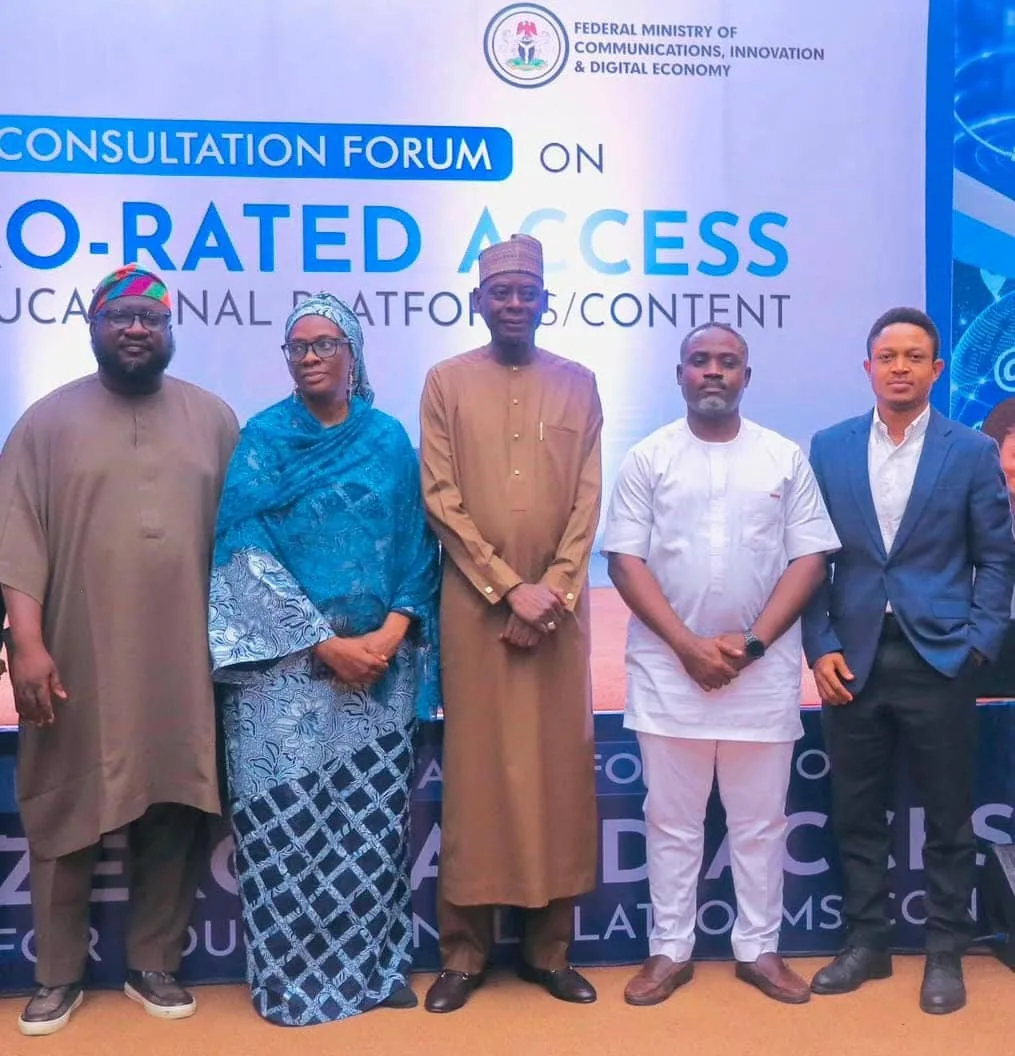
The Nigerian Communications Commission (NCC) has received commendation from the United Nations Educational, Scientific and Cultural Organisation (UNESCO) for its proposed Zero-Rated Access for Educational Platforms and Content, an initiative aimed at making digital learning more affordable and accessible for millions of Nigerian students.
The commendation came on Tuesday in Abuja during a one-day Public Consultation Forum on Zero-Rated Access for Educational Platforms and Content, organized by the NCC to gather stakeholders’ input on the proposed framework.
Speaking at the event, UNESCO’s Digital Transformation Specialist, Dr. Yinka Oyerinde, described the initiative as a timely intervention that could significantly accelerate Nigeria’s digital literacy agenda by removing cost barriers that prevent many learners from accessing online educational resources.
According to Oyerinde, the initiative builds on years of investments in digital literacy programmes by government institutions and development partners.
He noted that interventions spearheaded by the National Information Technology Development Agency (NITDA), the Federal Ministry of Education, and other stakeholders have created the necessary foundation for the NCC’s initiative to succeed.
“Some may say it is a bit late or overdue, but I think it is strategically positioned to ensure maximum impact because the precursor factors required for success have already been put in place.
“It is not jumping the gun, especially considering the digital literacy advancement programmes that have been implemented over the past few years,” he said.
READ ALSO: NCC, REA partner to expand digital connectivity, electricity access in underserved communities
The Executive Vice Chairman of the NCC, Dr. Aminu Maida, said the proposed framework is designed to eliminate one of the biggest obstacles to digital education in Nigeria—the high cost of internet access.
Represented by the Director of Policy, Competition and Economic Analysis, Dr. Ayuba Shuaibu, Maida emphasized that the success of the initiative would depend on broad collaboration among stakeholders across the education and telecommunications sectors.
He said the framework must reflect the views of educational institutions, telecommunications operators, digital content providers, students, parents, and local communities.
“The objective of this initiative is straightforward but deeply significant, and that is to reduce the affordability barrier that locks millions of Nigerian students out of the digital classroom,” Maida said.
He added that the public consultation was intended to ensure the final policy framework addresses the needs of all stakeholders while supporting sustainable implementation.
The Federal Ministry of Education welcomed the NCC’s initiative, describing it as a critical step toward expanding equitable access to quality education.
Speaking at the forum, the ministry’s Director of ICT, Mrs. Zainab Suleiman, said many Nigerian learners continue to face challenges arising from high internet costs, poor connectivity, and limited access to quality digital educational materials.
According to her, these constraints have continued to affect learning continuity, research, skills development, and inclusive education nationwide.
“The zero-rated access initiative is very important to the education sector because it addresses barriers that have continued to affect learning continuity and access to educational opportunities,” she said.
READ ALSO: NCC calls for unified African telecom policies to boost global digital influence
Also speaking, the Director of ICT at the Federal Ministry of Communications, Innovation and Digital Economy, Mrs. Folasade Loyede, said affordable internet access remains central to Nigeria’s digital transformation agenda.
Represented by Chief Programme Analyst Mr. Emmanuel Udoidiok, Loyede said the ministry is leveraging digital infrastructure to build a digitally inclusive economy where every Nigerian can access quality educational resources regardless of location or income.
According to her, digital education cannot thrive if internet access remains unaffordable.
“Zero-rating educational content is not just a policy target; it is a critical instrument for social and economic equity,” she said.
She explained that the consultation would help determine eligibility criteria for educational platforms that would benefit from the initiative while ensuring healthy competition within the telecommunications industry.
The framework, she added, is also expected to protect consumers and preserve the long-term sustainability of the telecom sector.
Industry stakeholders examined policy options that would enable students, teachers, and researchers to access approved educational websites and digital learning resources without prohibitive data costs.


-

 Featured5 days ago
Inside INEC’s race to prepare for Nigeria’s 2027 elections
-

 Featured5 days ago
2027: APC unveils nationwide campaign timetable, Tinubu to rally in 12 states
-

 Latest1 week ago
UCTH faces morgue crisis as 50 unclaimed corpses await mass burial
-

 Business7 days ago
BREAKING: Nigeria’s Inflation Rate Drops to 14.63% in September
-

 Business6 days ago
President Tinubu and the Low Transport Fares Fiasco
-

 Business5 days ago
Court dismisses ₦170m Trade Fair contract claim, says Zenith Bank was not a party
-

 Business2 days ago
Naira faces exchange rate gap as Dollar hits N1,380 on parallel market
-

 Latest5 days ago
Breaking: NNPCL raises petrol price to ₦1,405 per litre amid discount controversy