
Business
Nigeria lacks infrastructure for physical ID cards, says UrbanID Global founder

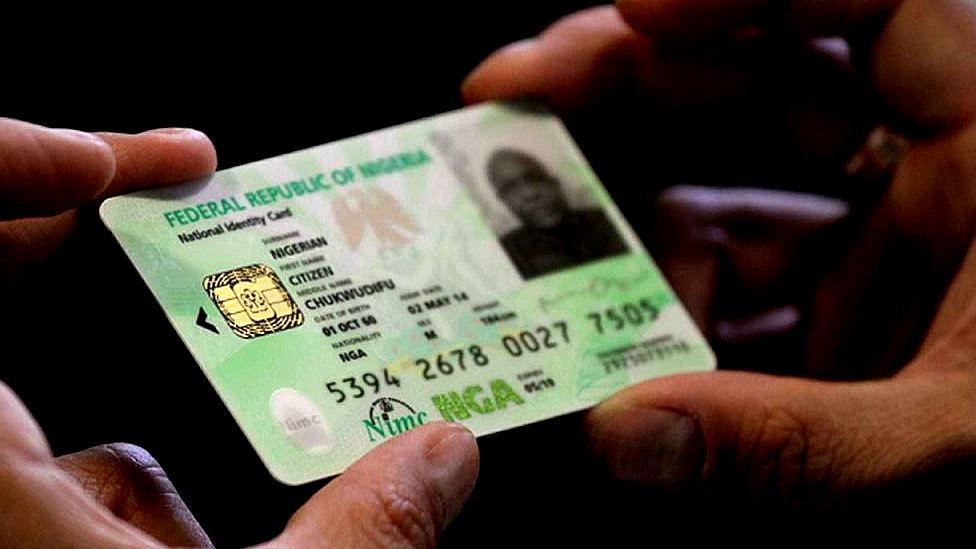
Nigeria may struggle to issue physical ID cards to its citizens due to inadequate infrastructure, according to Mr. Olatunji Durodola, Founder and Chief Innovation Officer of UrbanID Global.
In an interview, Durodola explained that issuing physical identity cards is a capital-intensive project, and the country lacks the necessary infrastructure to support such an initiative.
“There is a need for physical identity tokens, but the support infrastructure is fragile and very capital intensive,” Durodola said.
He emphasized that the National Identity Management Commission’s (NIMC) efforts to issue physical cards could face significant hurdles due to the absence of infrastructure, citing past challenges.
In 2013, Nigeria introduced one of the world’s most advanced e-ID cards. However, the initiative failed, as NIMC could not maintain the issuance bureau or procure high-performance card printing machines.
READ ALSO: NIMC hits 110m NIN registrations amid digital push
The government also struggled to fund the project, leading to its eventual collapse. Durodola explained that companies with the capacity to personalize the cards faced challenges in securing payment for their services.
Between 2020 and 2024, Nigeria became a leader in Africa by issuing MobileIDs, leveraging the widespread availability of smartphones.
However, public awareness about MobileIDs remained low, despite 23 million MobileIDs being issued—a success driven mainly by word-of-mouth.
“This was achieved by 100% local talent, and it worked,” Durodola remarked, though he expressed concern that the focus may now be shifting back to physical cards.
Durodola also pointed out that the World Bank had advised against issuing physical cards, as they rely heavily on foreign expertise and components.
“Nigeria doesn’t produce these components or the operating systems they depend on. Foreign vendors will charge in foreign currencies like USD or Euro, which presents additional financial challenges,” he explained.
In light of the recent concerns over a potential breach of the National Identification Number (NIN) database, Durodola stressed the need for strict identity verification protocols to prevent unauthorized access to sensitive data.
READ ALSO: NIMC highlights success of student loan, importance of digital infrastructure
He warned that relaxing data security standards for business convenience could have disastrous consequences.
“Every identity verification or transaction should be closely monitored, and individuals must know how their identity is being used,” he urged, criticizing companies that store unauthorized copies of personal data, increasing the risk of breaches.
Durodola called for more robust data privacy measures, urging that access to personal information should only be granted with the explicit consent of the ID holder. He highlighted UrbanID Global’s focus on making Nigeria a benchmark for data privacy among developing nations.
In April 2024, NIMC announced plans to launch a National ID card with payment functionality, in partnership with the Central Bank of Nigeria (CBN) and the Nigeria Inter-bank Settlement System (NIBSS).
The card will be powered by NIBSS’s AfriGO, a national domestic card scheme. However, nearly five months later, no official launch date has been set for the card’s availability.


-
 Latest6 days ago
Israel marks 3 years since October 7 Hamas attack amid Gaza strikes, election debate
-

 Energy6 days ago
Fuel Battle: Dangote, marketers and government clash over petrol imports
-

 Energy7 days ago
Petrol, diesel prices rise 86% in 2026 as costs hit fresh highs
-
 Energy1 week ago
Has Iran lost control of the Strait of Hormuz? Oil flows rebound as war disruptions persist
-

 Football7 days ago
Nigeria’s World Cup exit under spotlight as FIFA’s DR Congo files emerge
-
 Latest7 days ago
US Court set to rule on release of FBI, DEA records on Tinubu
-

 Business7 days ago
Nigerian investors at a crossroads as fixed-income yields slide
-

 Business1 week ago
LoveWorld Trade and Investment Forum to Convene Business Leaders in Accra