
Featured
Nigeria made zero progress under Buhari, says Sanusi

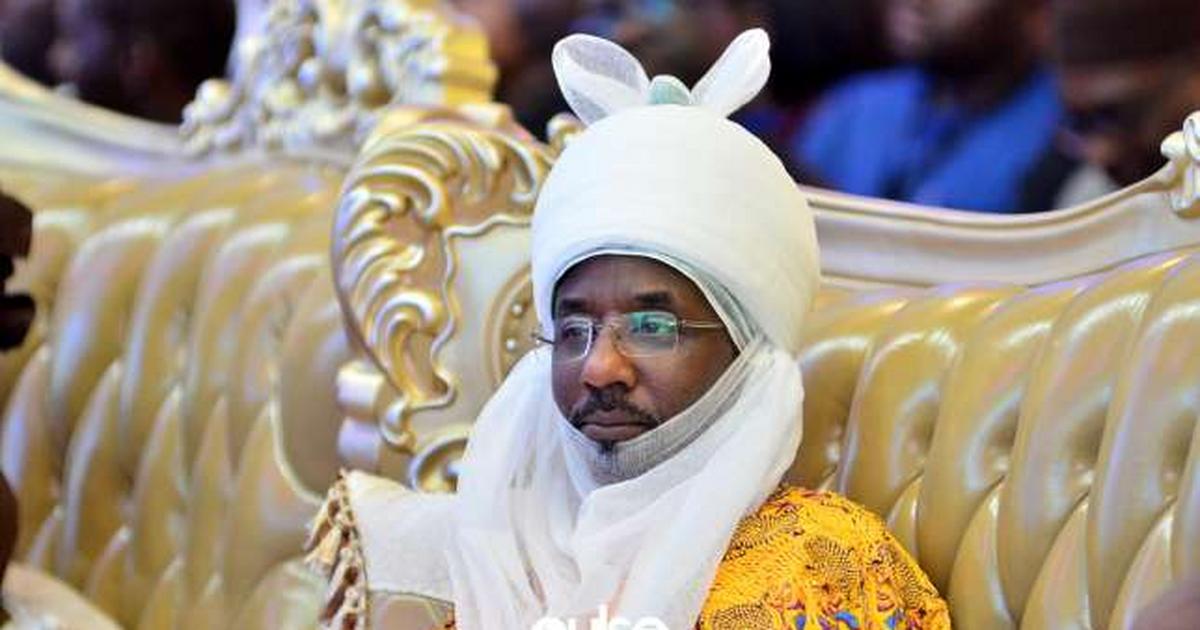
Former Emir of Kano, Muhammadu Sanusi, has asserted that Nigeria in the last 40 years as a country made zero economic progress since 1980 under the presidency of Muhammadu Buhari.
Sanusi, also a former governor of the Central Bank of Nigeria, made this statement at a colloquium held in Kaduna to mark his 60th birthday.
“In 1980, Nigeria’s GDP per capita on a purchasing power parity basis was $2,180. In 2014, it appreciated by 50 per cent to $3,099. According to the World Bank, where were we in 2019? $2,229.
“At this rate in the next two years in terms of purchasing power parity, the average income of a Nigerian would have gone back to what it was in 1980 under Shehu Shagari. That means, in 40 years, no progress, we made zero progress. 40 years wasted,” Mr Sanusi said.
READ ALSO: Sanusi rubbishes Obasanjo, Yar Adua, Jonathan, Buhari’s management of economy
He further said that “Between 2014 and 2029, on the basis of this index of the purchasing power of the average income of an average Nigerian, we have wiped out all the progress made in 35 years.”
Sanusi’s statement comes amid claims by the presidency that the President Muhammadu Buhari regime has lifted over 10 million Nigerians out of poverty, and that no government has invested in infrastructure like the Buhari regime.
.


-

 Latest6 days ago
US Immigration fees rise from October 16 as USCIS announces new charges
-
 Latest1 day ago
Israel marks 3 years since October 7 Hamas attack amid Gaza strikes, election debate
-

 Business6 days ago
Nigeria’s $55bn reserves raise fresh questions over naira value
-
 Health5 days ago
Florida sues Pfizer over deceptive COVID-19 vaccine marketing
-
 Business1 week ago
Tuoyo Erikowa wins digital marketing personality of the Year at 2026 EDGE awards
-
 Crime5 days ago
From camp to captivity: How kidnappers now target NYSC Corps members on highways
-
 Featured6 days ago
2027: Can Nigeria’s opposition still unite behind a single presidential candidate?
-
 Crime5 days ago
Fulani Militia leader linked to Christian killings arrested in Plateau