
ICT
Nigeria ranks 130th in new broadband penetration statistics

BROADBAND Internet is failing to reach those who could benefit most, according to the 2015 International Telecommunications Union (ITU) State of Broadband Report. The report noted that while broadband Internet access is reaching near saturation in the world’s rich nations, it is not advancing fast in the developing world.
For instance, African countries have world’s lowest broadband penetration, with Nigeria ranked 130th, out of the 189 member states of the ITU.
Libya, which ranked highest in Africa at the 25th position, is followed by Cape Verde at 59; Tunisia at 67; Egypt at 74; Sudan at 105; Morrocco at 106; Cote d’Ivoire at 108; Senegal at 23.7.
Algeria ranked 112; Uganda is at 120th position; Mauritania occupied the 122nd position; Sierra Leone is at 125 and yours trulyNigeria at the 130th position.
However, Nigeria, whose broadband penetration currently revolves around 10 per cent, is still ahead of countries including Mali; Congo; Burkina Faso; Kenya; Burundi; Liberia; Ethiopia; Malawi, among others.
The report revealed that 57 per cent of the world’s population remains offline. The situation is the 48 UN-designated ‘Least Developed Countries’, which include African nations is particularly critical as explained above, with more than 90 per cent of people without any kind of Internet connectivity.
The lowest levels of Internet access are mostly found in sub-Saharan Africa, with Internet available to less than two per cent of the population in Guinea; Somalia; Burundi; Timor Leste and Eriteria.
According to the report, ITU ranked the top three countries to include Macao (China); Singapore and Kuwait respectively.
African countries including Cameroon; Chad; Equatorial Guinea; Eritrea; Gabon and Guinea-Bissau all ranked at the bottom with a zero or an estimated zero number of active mobile broadband subscriptions per capita.
ITU listed among the challenges that must quickly be overcome to expand web access is to create a truly multilingual, multicultural Internet, and make services and devices more affordable.
The UN body also noted that cost-effective rollout of networks into remote and rural areas are also a key to improving access.



-

 Latest7 days ago
US Immigration fees rise from October 16 as USCIS announces new charges
-
 Latest2 days ago
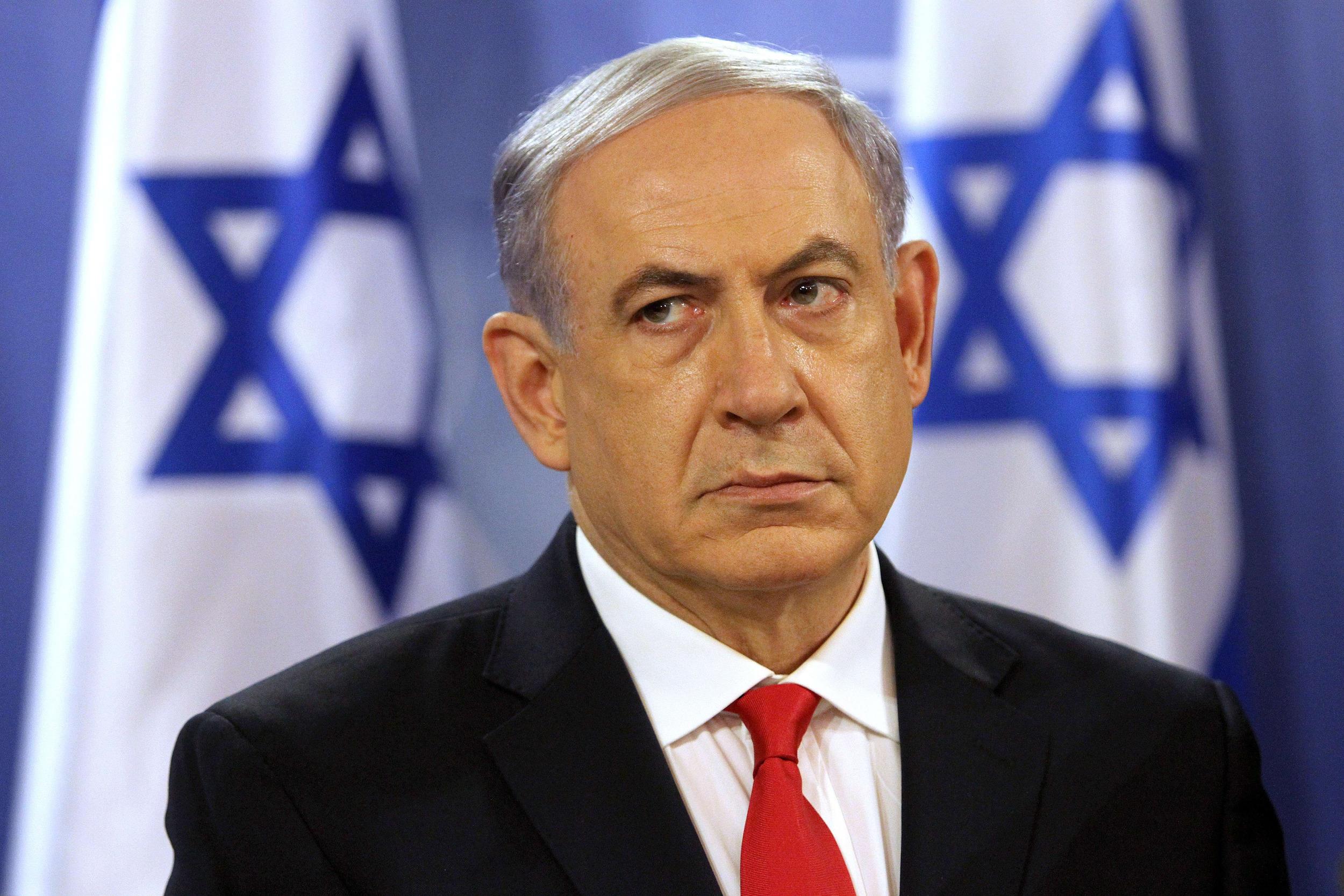
Israel marks 3 years since October 7 Hamas attack amid Gaza strikes, election debate
-

 Business6 days ago
Nigeria’s $55bn reserves raise fresh questions over naira value
-

 Health6 days ago
Florida sues Pfizer over deceptive COVID-19 vaccine marketing
-

 Business1 week ago
Tuoyo Erikowa wins digital marketing personality of the Year at 2026 EDGE awards
-

 Crime6 days ago
From camp to captivity: How kidnappers now target NYSC Corps members on highways
-

 Featured6 days ago
2027: Can Nigeria’s opposition still unite behind a single presidential candidate?
-

 Crime6 days ago
Fulani Militia leader linked to Christian killings arrested in Plateau