
Business
Nigeria tops global unemployment rate ranking

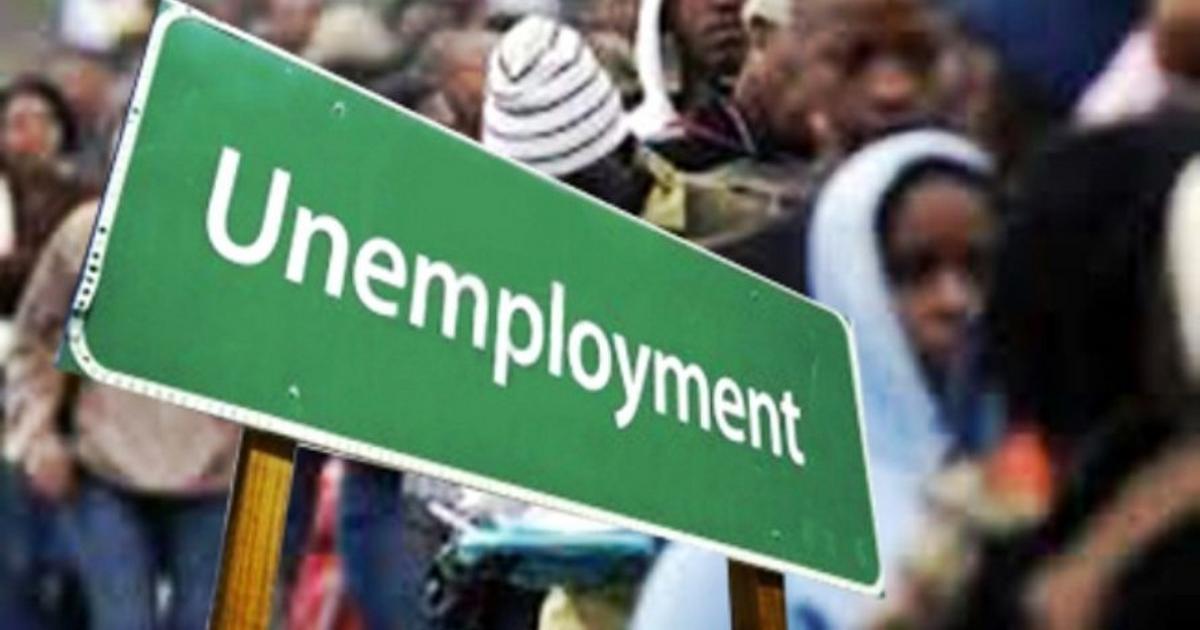
A new report released by the World of Statistics has revealed that Nigeria is now the leading country in the world in terms of unemployment rate.
In the report released on Tuesday, Nigeria leads the rest of the world with 33.3 per cent, followed by South Africa 32.9 per cent, and Iran which comes in at third place with 15.55 per cent.
The report also stated that the lowest rate of unemployment for the period under review was in countries like Qatar with 0.1 per cent, Cambodia, 0.36 per cent, and Niger Republic at 0.5 per cent.
READ ALSO: Tinubu vows to end Nigeria’s over reliance on borrowing, sets 18% Tax to GDP target
Relying on statistics from the National Bureau of Statistics (NBC), which put the unemployment rate in Nigeria from the second quarter of 2020 to May 2023, the World Statistics notes that unemployment rate in Nigeria has increased from 27.10 per cent to 33.30 per cent, making it the highest in the world.
A recent report by multinational consulting firm, KPMG, had also noted that the unemployment rate in Nigeria had increased to 37.7per cent in 2022, and would further rise to 40.6 per cent by the end of 2023 due to the continuing inflow of job seekers into the job market.


-
 Featured5 days ago
Nigeria’s youth unemployment paradox: Graduates struggle as millions survive in informal jobs
-

 Business6 days ago
Nigerian Banks earn N521.8bn from E-banking, card fees in nine months
-

 Latest6 days ago
Dalung claims ‘message from Buhari’s grave’ urges Nigerians to vote Atiku in 2027
-

 Energy5 days ago
Nigeria’s power crisis deepens as ₦639bn unpaid gas debt threatens electricity supply
-

 Latest1 week ago
2027 elections: Former INEC commissioner warns against ‘Rig and Die’ slogan, says violence undemocratic
-
 Featured4 days ago
Tinubu’s Renewed Hope: Reforms, hardship and the unanswered question of a second term
-

 Business1 week ago
GTCO fashion weekend: As fashion evolves, Nigerian men are rewriting the rules of style
-

 Featured4 days ago
The cost of Renewed Hope: How Nigeria’s economic reforms are reshaping everyday family life