
Latest
Nigeria’s State Police push gains momentum amid hopes, concerns

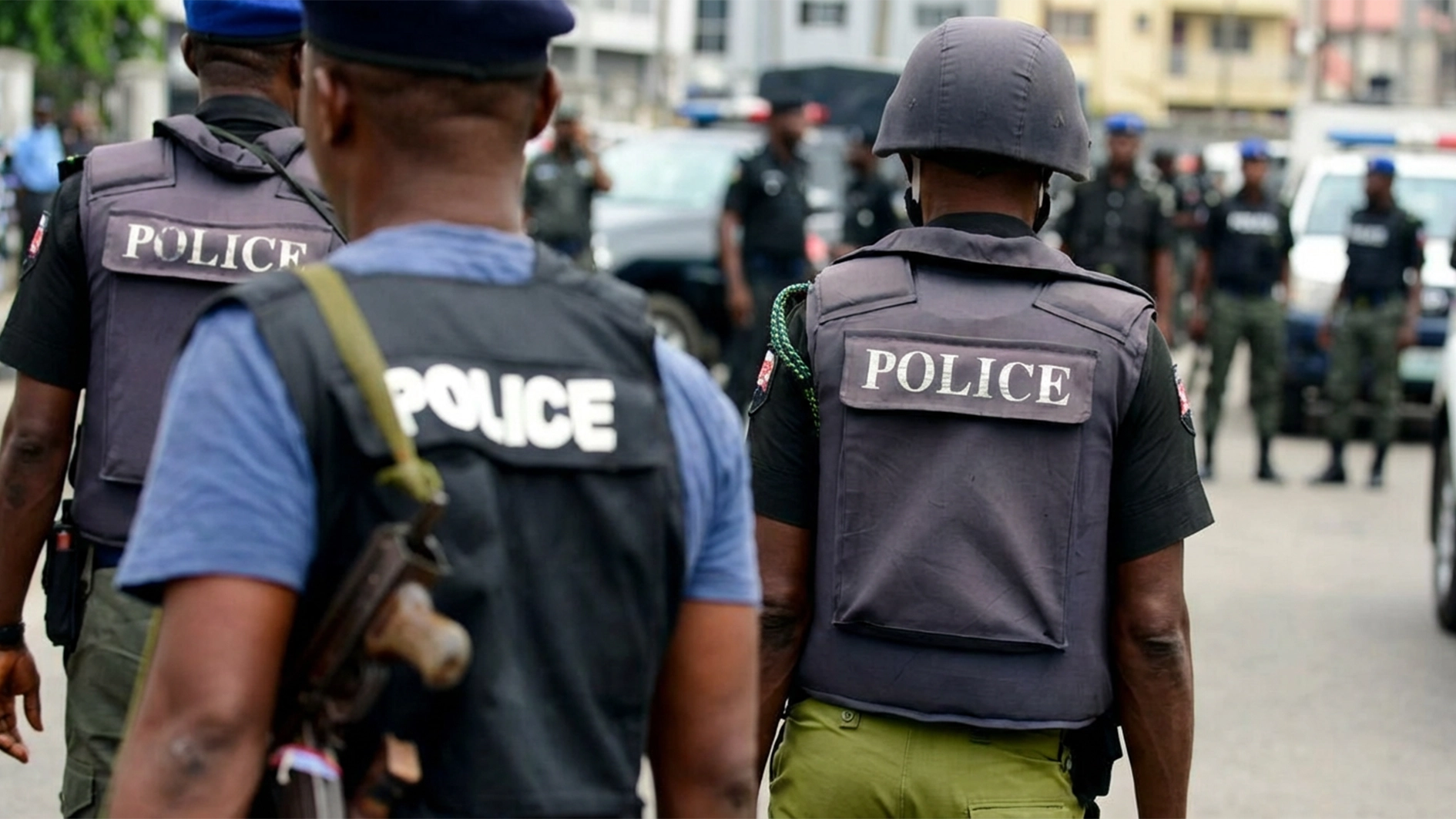
Nigeria’s long-running debate over the creation of state police has entered a decisive phase, with President Bola Ahmed Tinubu expected to receive the draft National Policing Bill on September 3, 2026, marking what could become one of the country’s most consequential security reforms since the return to democratic rule.
The proposed legislation, which will first undergo nationwide public consultation before being transmitted to the National Assembly, seeks to establish a constitutional framework for a dual policing system that combines federal and state police services under clearly defined operational boundaries.
For decades, successive administrations, security experts and state governments have argued over whether Nigeria’s centralized policing structure remains adequate to confront rising insecurity, including banditry, kidnapping, terrorism, communal conflicts and urban crime.
The latest move by the Federal Government suggests the country may finally be edging closer to a model that many believe could fundamentally reshape internal security.
Public Consultation Before Legislation
Chief of Staff to the President, Femi Gbajabiamila, disclosed that the draft bill will be subjected to extensive public engagement before it is forwarded to lawmakers.
READ ALSO; Tinubu pledges checks against abuse as State Police plan advances
According to him, Nigerians across the country and in the diaspora will have the opportunity to submit memoranda and policy recommendations to ensure the legislation reflects broad national consensus.
The consultation process is expected to involve state governments, traditional rulers, civil society organisations, legal experts, security agencies, professional associations and ordinary citizens.
Observers say the approach represents an attempt to build public confidence around a reform that has historically divided opinion.
What the Bill Seeks to Achieve
According to officials familiar with the proposal, the National Policing Bill is expected to establish the legal foundation for a dual policing system.
Rather than replacing the Nigeria Police Force, the framework would define how federal and state police agencies coexist while specifying their respective jurisdictions and operational responsibilities.
The legislation is also expected to address critical issues including recruitment standards, training, operational funding, intelligence sharing, professional ethics, accountability mechanisms, disciplinary procedures and public oversight.
Government officials say the objective is to strengthen grassroots policing without weakening national security coordination.
Gbajabiamila stressed that the initiative should not be interpreted as an attempt to create politically controlled security outfits.
“This is not about creating 36 political militias,” he said, noting that the proposed framework is designed to produce professional, community-oriented police services operating within constitutional limits and subject to the rule of law.
Addressing Longstanding Concerns
One of the major obstacles to previous state policing proposals has been concern over political abuse.
Critics have repeatedly warned that state governors could deploy state police to intimidate political opponents, suppress dissent or influence elections.
Others have questioned whether many states possess the financial capacity to sustain modern police institutions without compromising operational standards.
Gbajabiamila acknowledged these concerns, saying the draft legislation incorporates safeguards intended to promote transparency, professionalism, accountability and protection of citizens’ rights.
According to him, the framework seeks to prevent political interference while ensuring effective oversight.
Experts Back Reform, Urge Strong Safeguards
Security analysts have broadly welcomed the renewed momentum but insist that the success of state policing will depend less on legislation than on implementation.
Retired Commissioner of Police Bala Hassan said decentralised policing has become increasingly necessary given Nigeria’s complex security environment.
“Our present policing structure is overstretched. Officers posted from one part of the country often lack local knowledge, language skills and community trust. Community-based policing under constitutional safeguards can significantly improve intelligence gathering and crime prevention,” he said.
Constitutional lawyer Dr. Ngozi Okafor believes the proposed legislation represents an opportunity to modernise Nigeria’s security architecture but cautioned against creating overlapping mandates.
“The legislation must clearly define where federal police authority ends and state police responsibility begins. Jurisdictional conflicts could undermine law enforcement if not carefully addressed,” she said.
She also recommended the establishment of independent police service commissions at both federal and state levels to investigate misconduct and ensure accountability.
Funding Remains a Major Challenge
Public policy analyst Ibrahim Sule described financing as one of the biggest hurdles facing the proposed reform.
“Many states already struggle to pay salaries. Establishing modern police institutions requires significant investment in personnel, equipment, forensic facilities, communications, vehicles and training. Without sustainable funding mechanisms, there is a risk of creating under-resourced police organisations,” he said.
He suggested that the legislation should establish minimum operational standards while creating a federal support mechanism for states with limited financial capacity.
A Defining Moment
If eventually approved by the National Assembly and signed into law, the National Policing Bill could fundamentally alter Nigeria’s security landscape.
Supporters argue that bringing policing closer to local communities will improve response times, strengthen intelligence gathering and enhance public trust in law enforcement.
Critics, however, maintain that without robust constitutional safeguards, independent oversight and sustainable funding, the reform could simply decentralise existing institutional weaknesses.
With President Tinubu expected to receive the draft bill in September, the coming months are likely to determine whether Nigeria finally embraces one of its most debated constitutional reforms—or whether longstanding concerns once again delay the creation of state police.


-
 Latest6 days ago
Israel marks 3 years since October 7 Hamas attack amid Gaza strikes, election debate
-

 Energy6 days ago
Fuel Battle: Dangote, marketers and government clash over petrol imports
-

 Energy7 days ago
Petrol, diesel prices rise 86% in 2026 as costs hit fresh highs
-

 Energy1 week ago
Has Iran lost control of the Strait of Hormuz? Oil flows rebound as war disruptions persist
-

 Football7 days ago
Nigeria’s World Cup exit under spotlight as FIFA’s DR Congo files emerge
-

 Latest7 days ago
US Court set to rule on release of FBI, DEA records on Tinubu
-

 Business7 days ago
Nigerian investors at a crossroads as fixed-income yields slide
-

 Latest15 hours ago
Full List: Meet the 2026 Nobel Prize winners across six categories