
Business
Nigeria’s trade sector fall into double dip recession

Nigeria’s Trade Sector fell into a double-dip recession according to data from the National Bureau of Statistics.
A double-dip recession typically occurs when gross domestic product growth falls back to negative after a quarter or two of positive growth rate.
Nigeria’s trade sector which makes up about 16.45% of Nigeria’s Gross Domestic Product composition fell to -2.14% in the second quarter of 2018.
This was the second consecutive quarter of negative GDP growth rate after it fell -2.57% in the first quarter of 2018.
This is second consecutive negative Trade GDP growth rate throwing the sector into a double dip recession.
A double-dip recession occurs when a country or sector returns to a recession after a short period of GDP growth rate.
Trade sector posted a growth in the last quarter of 2017 however it has posted negative GDP growth rate in the first three quarters of 2017 and the first two of 2018.
With the trade sector in the throes of a recession, Nigeria’s GDP growth rate will continue to remain paltry.
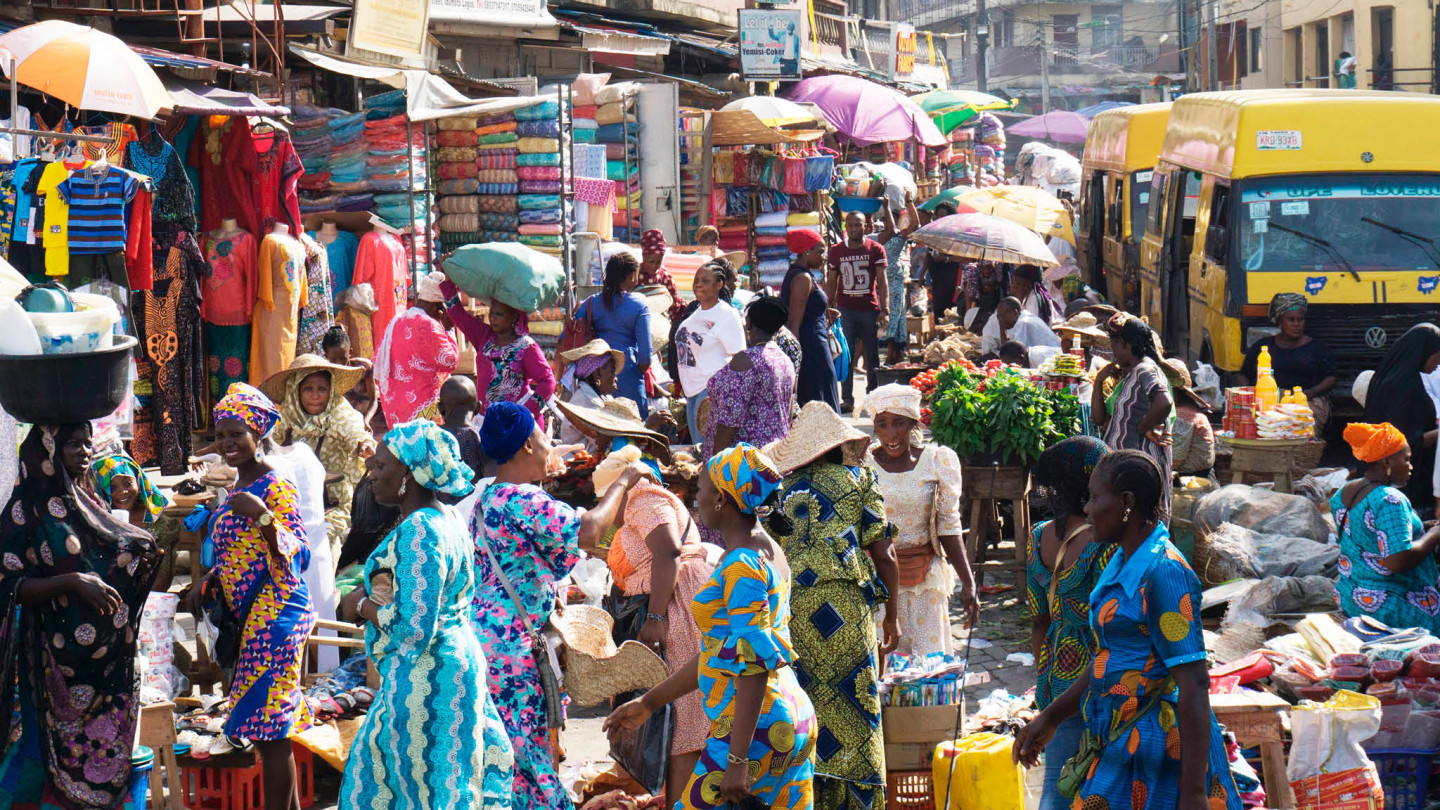
Nigerians are largely traders and with government policy stifling importation most traders lack the forex required to import goods for sale into the country.
Total imports into the country was about N2.5 trillion in the first quarter of 2018 higher than the N2.1 trillion reported in the last quarter of 2017.







-

 Energy1 week ago
Fuel Battle: Dangote, marketers and government clash over petrol imports
-

 Latest3 days ago
Full List: Meet the 2026 Nobel Prize winners across six categories
-
 Featured7 days ago
103 Million Voters: What does INEC’s new register say about Nigeria’s population?
-

 Football2 days ago
Premier League Matchweek 7: Five Fixtures That Could Shape the Weekend
-
 Business1 week ago
The Ministry of Commerce of Loveworld gets a $1 million boost for new investment fund at LTIF 2026 to promote Trade in Ghana
-

 Features1 week ago
Edo’s 2.5 million vote promise: Can the numbers match the politics?
-

 Latest2 days ago
Umahi defends Lagos-Calabar highway route changes amid public outcry
-

 Latest1 week ago
Nigeria to Ghana: Inside police hunt for Anambra kidnap suspect