
Health & Fitness
Nutritionist urges Nigerians to swap processed snacks for fresh fruits

By Princess Ose Aluede
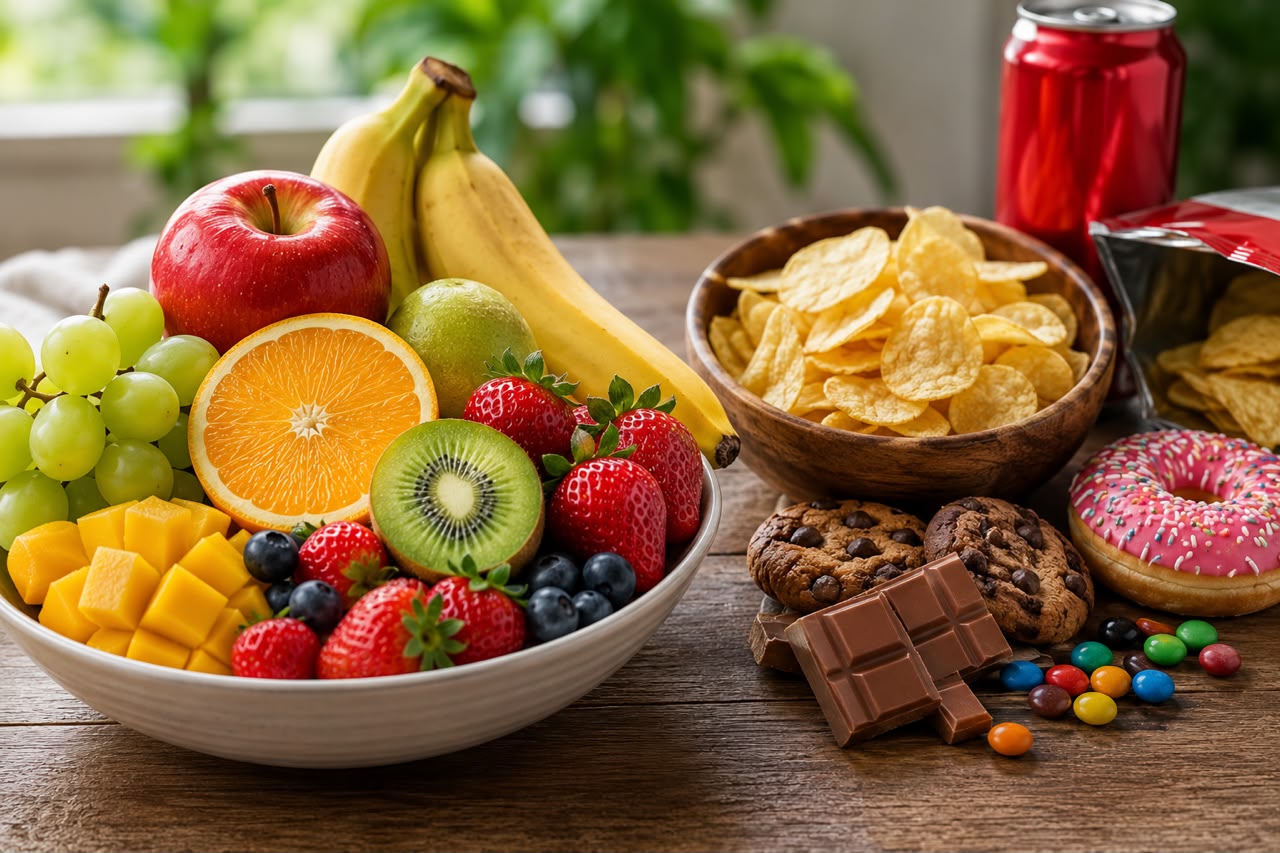
With biscuits, crisps, sweets, chocolates and sugary drinks becoming common choices between meals, Nigerians have been encouraged to make fresh fruits a more regular part of their snacking habits.
Health advocates say replacing highly processed snacks with fruits can be a simple step towards making everyday diets more balanced, while still satisfying the desire for something sweet.
Fruits such as bananas, oranges, apples, watermelon, pineapple, pawpaw and mango provide a variety of nutrients, including fibre, vitamins and minerals, while many also contain significant amounts of water.
The recommendation does not suggest that people must completely eliminate occasional treats from their diets. Rather, it encourages consumers to make nutritious foods a more consistent part of their daily choices.
Convenience drives snack choices
One of the reasons processed snacks remain popular is their convenience. Crisps, biscuits and confectionery products are widely available, require no preparation and can easily be carried to school, work or while travelling.
Fresh fruits, however, can offer similar convenience when properly prepared.
A banana can be eaten without preparation, while oranges can be peeled within minutes. Watermelon, pineapple and pawpaw can also be cut into portions ahead of time and stored for consumption later.
Healthier snacking therefore does not necessarily require major lifestyle changes. Simple adjustments in how food is stored and presented can make nutritious choices easier.
Keeping a bowl of fruit in a visible and accessible location, for instance, can encourage people to reach for it when hunger strikes between meals.
Similarly, carrying a piece of fruit when leaving home can provide an alternative to buying highly processed snacks when hunger sets in.
READ ALSO; Health expert warns Nigerians about risks of consuming sliced fruits
Variety can make healthy eating enjoyable
Another advantage of incorporating fruits into snacks is the wide range of flavours, colours and textures available.
Watermelon can provide a refreshing option during hot weather, while mango, pineapple and pawpaw offer naturally sweet alternatives for those craving sugary foods.
Apples, oranges and bananas can also provide convenient options for people looking for something quick between meals.
The variety means that healthier eating does not have to become repetitive or uninteresting.
Experts generally emphasise the importance of balance rather than an all-or-nothing approach to food. Occasional consumption of less nutritious snacks does not necessarily undermine an otherwise balanced diet, but regularly relying on highly processed foods can make it more difficult to maintain healthy eating patterns.
Building healthier habits one choice at a time
Changing snacking habits can begin with small, practical decisions.
Rather than automatically reaching for a packet of crisps or a chocolate bar whenever hunger strikes between meals, consumers can first consider whether a piece of fruit is available.
Making fruits visible, preparing them in advance and taking them along when leaving home can help reduce reliance on convenient processed snacks.
The broader message is that healthier eating habits are often built gradually. A single change may appear insignificant, but repeating that choice over time can help establish a more nutritious routine.
For people looking to improve their everyday eating habits, the next snack could therefore be an opportunity to make a simple change: instead of reaching first for processed food, reach for a fruit.
After all, healthier choices do not always require dramatic changes. Sometimes, they begin with something as simple as choosing what goes into the snack bag.


-
 Latest6 days ago
Israel marks 3 years since October 7 Hamas attack amid Gaza strikes, election debate
-

 Energy5 days ago
Fuel Battle: Dangote, marketers and government clash over petrol imports
-

 Energy7 days ago
Petrol, diesel prices rise 86% in 2026 as costs hit fresh highs
-

 Energy1 week ago
Has Iran lost control of the Strait of Hormuz? Oil flows rebound as war disruptions persist
-

 Football6 days ago
Nigeria’s World Cup exit under spotlight as FIFA’s DR Congo files emerge
-

 Latest6 days ago
US Court set to rule on release of FBI, DEA records on Tinubu
-

 Business6 days ago
Nigerian investors at a crossroads as fixed-income yields slide
-

 Business7 days ago
LoveWorld Trade and Investment Forum to Convene Business Leaders in Accra