
Energy
Opposition calls for nationwide protests over fuel prices

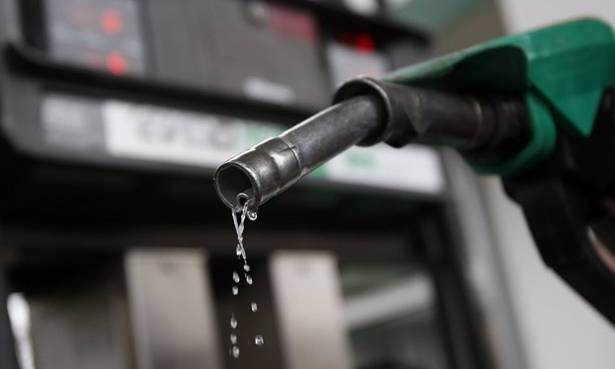
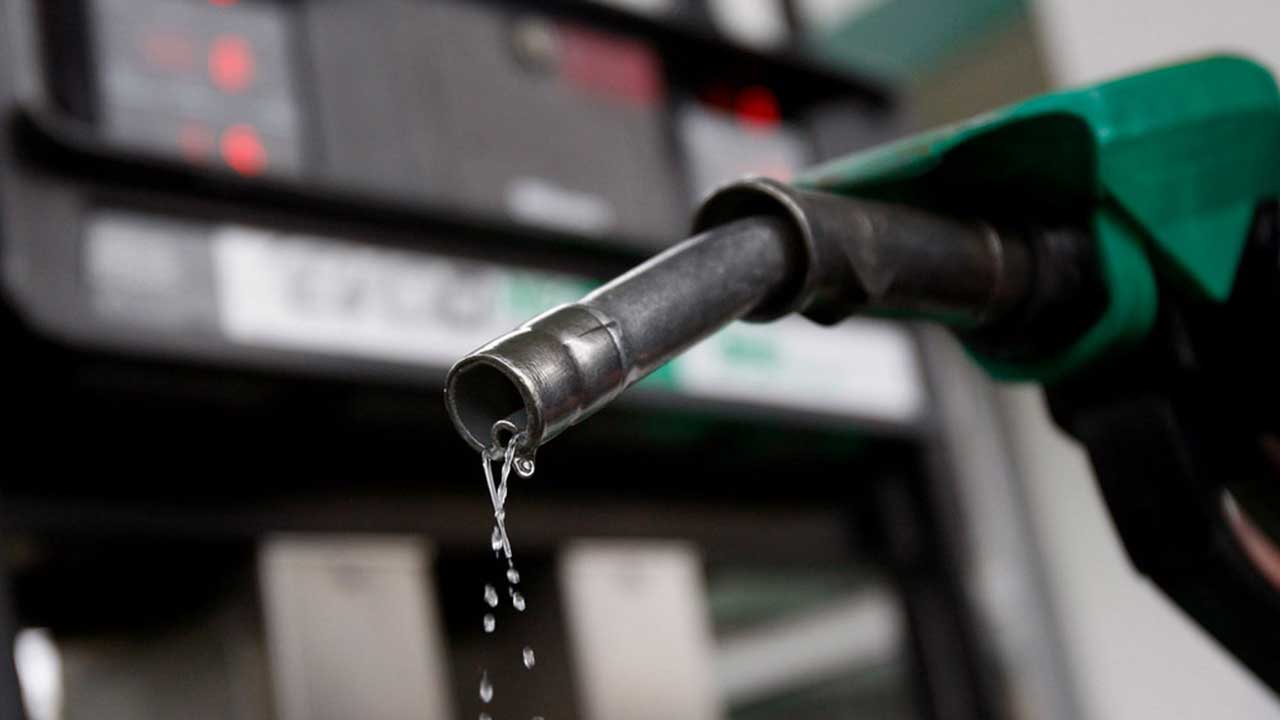
India’s opposition will launch nationwide strikes and protests next week over record-high fuel prices, looking to tap rising public anger to hit back at Prime Minister Narendra Modi, ahead of a series of elections.
Since Modi came to power in the world’s third biggest oil consumer in May 2014, he has used tax hikes on petrol and diesel to raise funds for welfare programmes.
Taxes account for more than a third of retail fuel prices and past governments lowered them whenever international oil prices shot up.
The government has largely refused to cut taxes, drawing criticism from the main opposition Congress Party for the “fuel loot” that it said had raised 152 billion dollars (11 trillion rupees) for the exchequer since Modi came to power in 2014.
“The mismanagement of the economy has led to high fuel prices,” senior Congress leader, Ashok Gehlot said.
“When fuel prices were rising during (the previous government), taxes were reduced to take the burden off people.”
Congress said all “like-minded opposition parties’’ had agreed to join the protest to demand fuel price cuts.
The parties called for a general strike and demonstrations across the country.
A plunge in the rupee, which touched a fresh low of 72.095 on Thursday, has also helped lift local fuel prices.
Asia’s worst performing currency is down nearly 12 percent this year, which the government has blamed on economic woes of countries such as Turkey.
Modi’s Bharatiya Janata Party (BJP) said its opponents were “unnecessarily politicising’’ the issues when the economy was doing well under the current government.
“Overall inflation is under control, which suggests that the focus of the government is that common man should not suffer even if the prices of one component of the basket go up,” BJP spokesman, Syed Islam, said.
Modi will fight a series of state elections in 2018 before a general election expected in early 2019.
Fuel prices vary from state to state because of local taxes, but they have risen across the country.
In Delhi, petrol prices are up about 14 per cent this year while diesel is up a fifth.
But oil company officials and analysts do not yet expect a big impact on demand, which would be good news for suppliers stretching from the Middle East to U.S.
India’s fuel demand typically rises in the quarter to December due to festivals and a pick-up in construction activity after the monsoon season, M.K. Surana, Chairman of state-run Hindustan Petroleum Corp said.
He said demand could be affected if international crude oil prices jumped sharply from the current level of 78 dollars per barrel.
Sri Paravaikkarasu, Head of East of Suez Oil for consultants FGE in Singapore, says oil prices above 80 dollars a barrel will impact India’s gasoline and gasoil demand.
These are expected to rise by 10 per cent and 5.7 per cent, respectively this year as the nation’s transport sector continues to boom.




-
 Latest6 days ago
Israel marks 3 years since October 7 Hamas attack amid Gaza strikes, election debate
-
 Energy6 days ago
Fuel Battle: Dangote, marketers and government clash over petrol imports
-
 Energy1 week ago
Petrol, diesel prices rise 86% in 2026 as costs hit fresh highs
-

 Football7 days ago
Nigeria’s World Cup exit under spotlight as FIFA’s DR Congo files emerge
-
 Energy1 week ago
Has Iran lost control of the Strait of Hormuz? Oil flows rebound as war disruptions persist
-

 Latest7 days ago
US Court set to rule on release of FBI, DEA records on Tinubu
-

 Latest19 hours ago
Full List: Meet the 2026 Nobel Prize winners across six categories
-
 Business7 days ago
Nigerian investors at a crossroads as fixed-income yields slide