
News
Over 18,000 people evacuated since Sunday from Kabul airport – NATO official

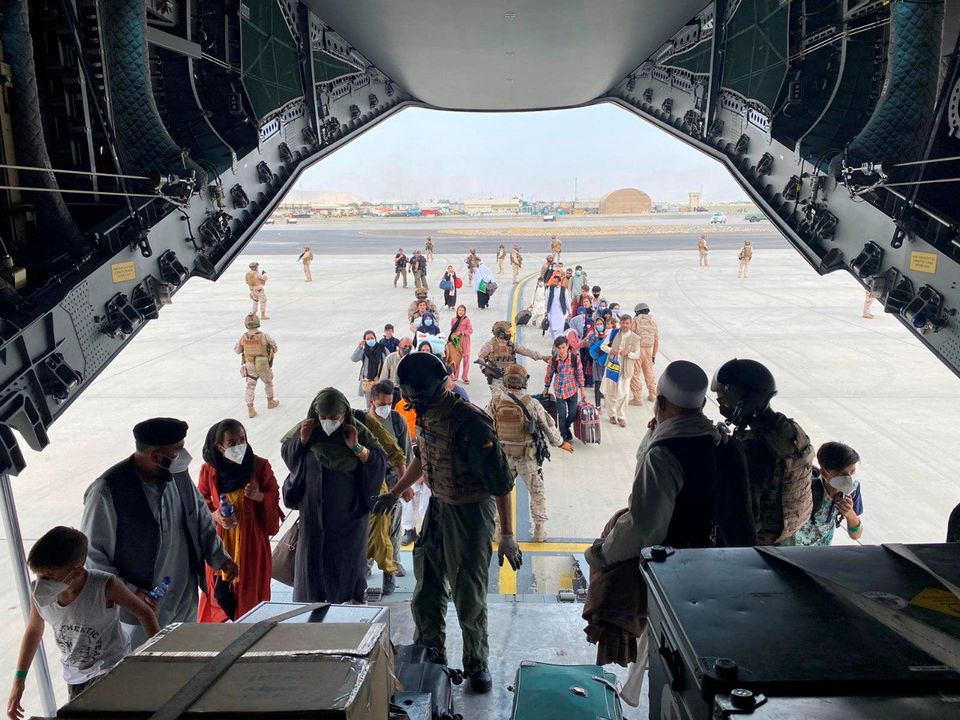
NATO officials on Friday, said over 18,000 people were flown out of Kabul, since the Taliban took over Afghanistan’s capital, pledging to redouble evacuation efforts.
Thousands of people, desperate to flee the country, were still thronging the airport, the official who declined to be identified told Reuters, though the Taliban had urged people without legal travel documents to go home.
The speed with which the Taliban conquered Afghanistan as U.S. and other foreign troops were completing their withdrawal, surprised even their own leaders and had left power vacuums in many places.
However, Taliban urged unity ahead of Friday prayers, the first since they seized power, calling on Imams to persuade people not to leave Afghanistan amid the chaos at the airport, protests and reports of violence.
A witness told Reuters that several people were killed in the eastern city of Asadabad on Thursday, when Taliban militants fired on a crowd demonstrating their allegiance to the vanquished Afghan Republic, as the Taliban set about establishing an emirate, governed by strict Islamic laws.
There were similar shows of defiance in two other cities, Jalalabad and Khost in the east, as Afghans used celebrations of the nation’s 1919 Independence from British control, to vent their anger on the Taliban takeover.
Continue Reading


-

 Latest2 days ago
Pastor Chris Oyakhilome announces mother’s passing at 88 [VIDEO]
-

 Football5 days ago
Saka: England still carry World Cup scar
-

 Comments and Issues7 days ago
Sometimes, goodwill finds us through the people we love
-

 Latest3 days ago
Arsenal eye €70-80m move for Real Madrid star
-

 Business6 days ago
CBN reduces MPR by 350bps to 23% in major monetary policy shift
-

 Business1 week ago
Jetour takes T1 adventure SUV experience to Abuja, targets growing Nigerian market
-

 Crime3 days ago
Police arrest suspect, launch manhunt for 2 others over Delta Education Director’s death
-

 Latest2 days ago
How adulterated palm oil, coloured pepper are putting consumers at risk