
News
Poor waste management raises flood concerns as Nigeria faces heavy rainfall threat

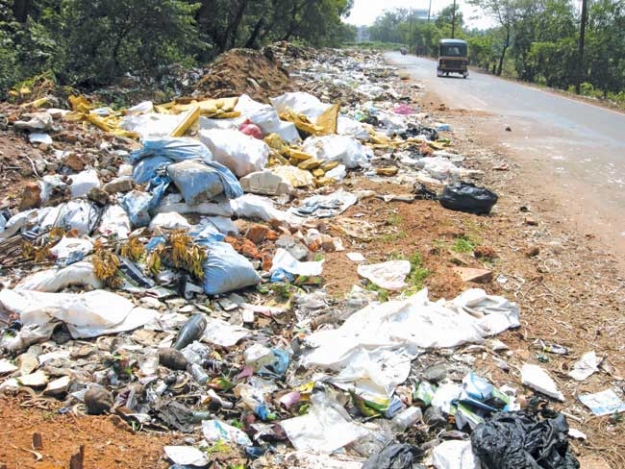
Environmental experts have warned that poor waste disposal practices and inadequate drainage maintenance are increasing the risk of flooding across Nigeria, as authorities predict heavy rainfall in several parts of the country during the 2026 rainy season.
The warning follows a recent alert by the National Flood Early Warning Centre under the Federal Ministry of Environment, which identified 11 states as being vulnerable to severe flooding due to expected high-intensity rainfall.
Experts say while heavy rainfall is a natural occurrence, the scale of flooding experienced in many Nigerian cities is often worsened by human activities, particularly indiscriminate waste disposal and poor urban planning.
Across major cities, drainage channels are frequently blocked by plastic waste, household refuse, and other debris, preventing the free flow of stormwater. During heavy rains, the clogged drains overflow, inundating roads, homes, markets, and business districts.
The recurring problem has become a major challenge in urban centres where poor waste management systems and uncontrolled development have placed increasing pressure on existing infrastructure.
Environmental analysts note that floodwaters often leave behind significant economic and health consequences. Businesses suffer losses as commercial activities are disrupted, while residents face the risk of waterborne diseases such as cholera, typhoid, and other infections caused by contaminated water sources.
In many communities, unofficial dumpsites have emerged along roadsides, drainage corridors, and flood-prone areas. Residents have continued to express concerns over irregular waste collection services despite paying monthly fees to private and government-approved waste management operators.
Stakeholders argue that the country’s waste management system remains largely dependent on the collection and disposal of refuse in landfills, with limited investment in recycling, waste recovery, and other modern disposal technologies.
According to environmental experts, addressing the problem will require stronger enforcement of sanitation regulations, regular clearing of drainage channels, and greater investment in modern waste management infrastructure such as recycling facilities, biodigesters, materials recovery centres, and sanitary landfills.
They also called on state and local governments to intensify public awareness campaigns aimed at discouraging indiscriminate dumping of refuse in waterways and drainage systems.
With meteorological agencies forecasting increased rainfall in the coming months, experts have urged authorities to take preventive measures to reduce the impact of flooding and protect vulnerable communities.
They warned that unless urgent action is taken to improve waste management and maintain drainage infrastructure, flooding, environmental degradation, and disease outbreaks could continue to pose serious threats to lives and livelihoods across the country.


-
 Featured5 days ago
Inside INEC’s race to prepare for Nigeria’s 2027 elections
-

 Featured6 days ago
2027: APC unveils nationwide campaign timetable, Tinubu to rally in 12 states
-

 Latest1 week ago
UCTH faces morgue crisis as 50 unclaimed corpses await mass burial
-

 Business7 days ago
President Tinubu and the Low Transport Fares Fiasco
-

 Business1 week ago
BREAKING: Nigeria’s Inflation Rate Drops to 14.63% in September
-
 Latest7 days ago
Global excitement builds as Healing Streams Live Services returns October 23
-
 Business6 days ago
Court dismisses ₦170m Trade Fair contract claim, says Zenith Bank was not a party
-
 Business3 days ago
Naira faces exchange rate gap as Dollar hits N1,380 on parallel market