
Latest
Scientists challenge study linking COVID vaccines to improved heart health

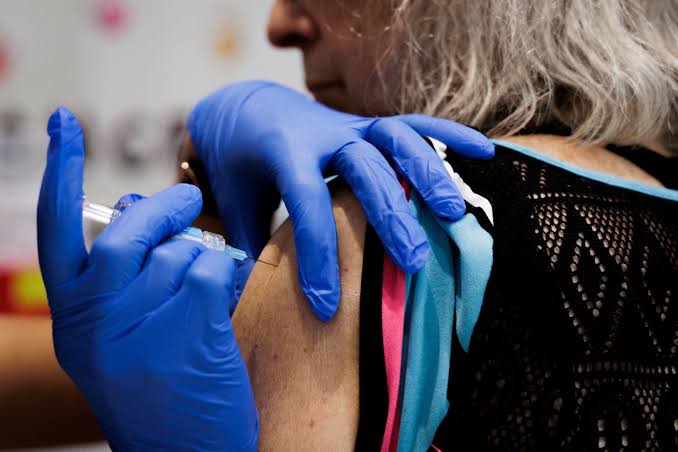
A newly published study suggesting that COVID-19 vaccination may significantly reduce the risk of heart attacks, strokes and other major cardiovascular events has sparked a fierce debate among scientists, with several researchers questioning the validity of the findings and accusing the study authors of relying on flawed methodology.
The study, published last week in JAMA Internal Medicine, concluded that COVID-19 vaccination was associated with a lower risk of serious cardiovascular conditions, particularly among older adults and individuals with underlying health conditions.
The findings were widely highlighted in media reports, with some outlets describing the research as the latest evidence supporting the cardiovascular benefits of COVID-19 vaccines.
However, a number of scientists and epidemiologists have sharply criticized the study, arguing that its design and statistical methods make its conclusions unreliable.
Researchers analyzed health records from nearly 1.04 million U.S. military veterans who received care through the Department of Veterans Affairs healthcare system during the 2024–2025 cold and flu season.
READ ALSO: FDA cut child COVID vaccine death count from 10 to 7, newly released records show
The study compared individuals who received both the seasonal influenza vaccine and a COVID-19 vaccine on the same day with those who received only the flu vaccine. Participants were monitored for eight months to evaluate the occurrence of major adverse cardiovascular events (MACE), including heart attacks and strokes.
According to the study, individuals who received both vaccines experienced a 37.7 percent lower risk of serious cardiovascular complications among high-risk groups, including people aged 75 years and older and those with pre-existing medical conditions.
Researchers also reported a 6.2 percent reduction in major cardiovascular events overall, a 6.6 percent decrease in hospitalizations from all causes and a 7.1 percent reduction in mortality.
The authors estimated that vaccination could potentially prevent approximately 2,370 major cardiovascular events and 1,580 deaths per one million people over an eight-month period.
However, the researchers acknowledged that the overall benefit observed across the broader study population was relatively modest.
The study quickly drew criticism from several scientists who argued that the research failed to compare vaccinated individuals with a truly unvaccinated population.
Among the most vocal critics was Dr. Vinay Prasad, former director of the U.S. Food and Drug Administration’s Center for Biologics Evaluation and Research and a professor of epidemiology and biostatistics at the University of California, San Francisco.
Prasad described the study as fundamentally flawed, arguing that the comparison groups were not adequately matched and that the findings should not be used to draw conclusions about vaccine effectiveness in reducing cardiovascular risks.
READ ALSO: Senate hearing set to review research on COVID-19 vaccines, cancer concerns
Other researchers echoed those concerns, noting that both groups included individuals with previous COVID-19 vaccine exposure.
French scientist Dr. Hélène Banoun pointed out that the study compared people who received both flu and COVID-19 vaccines with those who received only the flu vaccine during the study period—not individuals who had never received COVID-19 vaccines.
She argued that this distinction undermines claims that the study compared vaccinated and unvaccinated populations.
Several experts also cited the possibility of “healthy vaccinee bias,” a phenomenon in which people who choose to receive vaccines tend to be healthier overall than those who do not.
Canadian researcher Dr. Denis Rancourt said the study’s observational design made it particularly vulnerable to this type of bias because participants were not randomly assigned to vaccination groups.
According to Rancourt, healthier individuals may have been more likely to receive additional vaccinations, potentially skewing the results in favor of the vaccinated group.
According to Jablonowski, the study’s raw, unadjusted data appeared to show higher rates of adverse outcomes among vaccinated participants. He contended that only after extensive statistical adjustments did the results suggest a protective effect from vaccination.
He further questioned whether the weighting methods accurately reflected the characteristics of the study population and called for additional sensitivity analyses to test the robustness of the findings.
Health authorities have previously acknowledged a rare risk of myocarditis and pericarditis, particularly among adolescent and young adult males receiving mRNA COVID-19 vaccines. While most reported cases have been mild and resolved with treatment, researchers continue to study the long-term implications of these adverse events.
Critics of the new study argue that any assessment of cardiovascular benefits must also consider these known risks and account for participants’ previous vaccination histories.
Several scientists noted that eligibility for the study required participants to have received a COVID-19 vaccine dose during the previous 2023–2024 season, meaning both groups had prior exposure to mRNA vaccines.


-

 Featured2 days ago
BREAKING NEWS: Shouts of joy rock the world as Pastor Chris opens final Healing Streams edition for 2026
-

 Football3 days ago
Man United shortlist Emery, Nagelsmann as potential replacements for Carrick
-

 Business6 days ago
Naira faces exchange rate gap as Dollar hits N1,380 on parallel market
-

 Business3 days ago
Hoodlums raid JED Benue office, abduct 10 staff over power dispute
-

 Football3 days ago
Aston Villa ready to freeze out Garnacho to avoid £43m Chelsea transfer
-

 Business3 days ago
EV adoption: Roxettes seeks cheaper financing, local manufacturing incentives
-

 Business1 week ago
NCC launches Internet Governance Working Group to tackle AI risks, boost online safety
-

 Latest2 days ago
Akpabio tasks Tompolo-backed movement with spreading Tinubu’s renewed hope message